


APEX FTE EXPO 2026: Telesat Champions Multi-Orbit IFC as Means to Consistent Service

Share
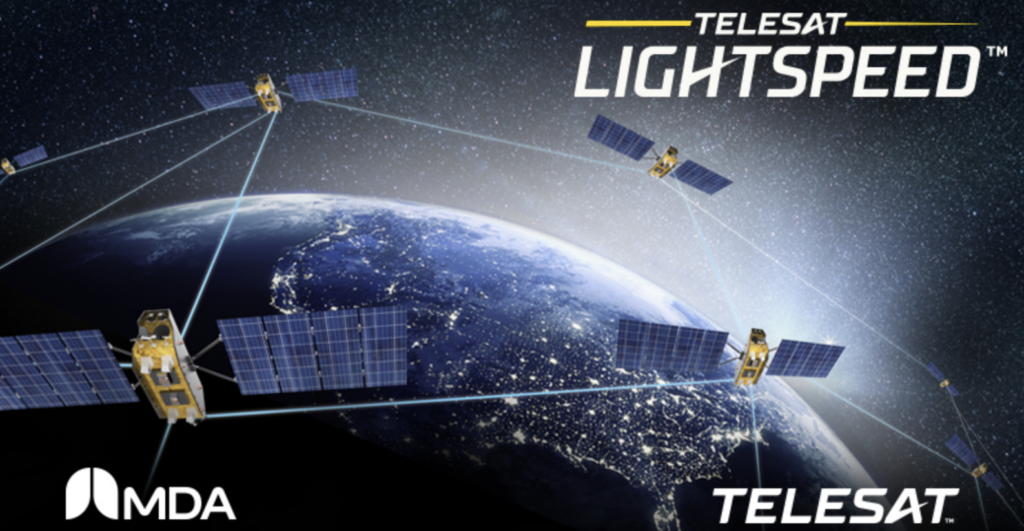
Telesat Vice President of Aviation Philippe Schleret explains how multi-orbit connectivity, which offers increased reliability and flexibility, will shape the next generation of inflight Wi-Fi ahead of the company’s attendance at APEX FTE EXPO in Singapore from November 18-19, 2026. You can register for the event here.
Telesat believes the success of inflight connectivity (IFC) technology depends on how consistently the service performs across an airline’s network. Its standpoint is that multi-orbit connectivity delivered intelligently by flexible systems holds the key to both improving the passenger experience and helping airlines adapt to changing passenger demands and operational challenges.
Building Connectivity Around Consistency
Schleret acknowledges that a passenger may not know whether their inflight Wi-Fi comes from a geostationary (GEO) or low Earth orbit (LEO) satellite network. What matters more to them, he argues, is whether they can stream, message, browse social media and work throughout the flight as they would at home. As such, the company is prioritizing delivering a reliable experience rather than emphasizing one technical specification.
The Telesat Lightspeed LEO constellation is designed to reduce latency and shift capacity toward areas with higher demand, while GEO networks continue playing an important role in video streaming and market access in countries that haven’t formalized regulatory frameworks for LEO networks yet. Schleret notes that multi-network systems, which combine LEO and GEO capacity, allow connectivity providers to use the strengths of each one depending on an aircraft’s route and operating environment.
“The real differentiator is not any single technical specification,” he said. “It is the ability of the network to deliver a reliable, predictable experience across an airline’s entire route, from major international corridors to less densely served regions. Most passengers don’t use their connectivity for speed tests. Consistency in the connectivity experience is what creates passenger satisfaction.”

Schleret claims a high peak speed is insignificant if the connection later slows down or drops, remarking that messaging, email, web browsing, social media, VPN access and video streaming all depend on a stable internet connection. Telesat understands that aviation has always depended on reliability, and feels that connectivity should meet the same standards in that regard.
Giving Airlines More Flexibility
Telesat does not sell directly to airlines. Instead, it works with connectivity service providers such as Viasat and others, which can include Telesat’s capacity in its broader multi-network solutions.
Still, the company encourages airlines to think beyond what their connectivity systems can do today when looking to upgrade their offering. Schleret points out that carriers need to make connectivity decisions that support their businesses for years, even as satellite technology, passenger expectations and digital services continue to change. That makes choosing systems that can evolve without costly or disruptive upgrades increasingly important, he states.

“The most important consideration is flexibility,” Schleret said. Telesat believes airlines should choose open, future-ready systems that can support different satellite networks and service models over time. That can make it easier to adopt new technology without requiring major aircraft modifications as the connectivity market changes.
An ability to adapt quickly and efficiently could become increasingly important as passengers use more data onboard. As the use of streaming and other data-heavy applications in the air become more common, demand on inflight connectivity networks will continue to grow.
Expanding Beyond Passenger Wi-Fi
Finally, Telesat sees inflight connectivity becoming a more central component of the connected aircraft. “The next generation of inflight connectivity will be defined by passenger experience, network intelligence and operational integration,” Schleret said. Passenger Wi-Fi will remain important, but he adds that airlines will increasingly use the same connectivity infrastructure to support operations.
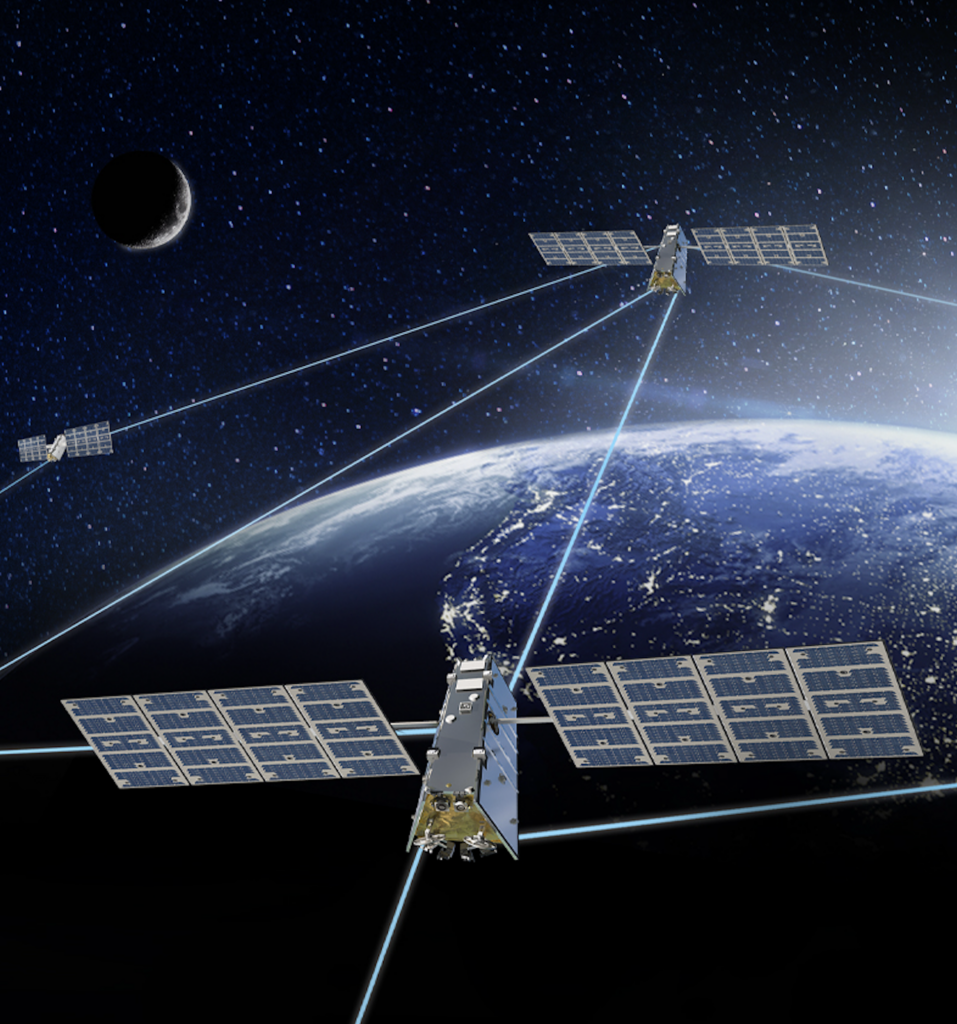
Use cases include real-time analytics, predictive maintenance, operational optimization and crew applications, but such growth creates new technical needs. Schleret observes that airlines will increasingly need to keep operational data separate and secure from passenger traffic while allowing both to move across the broader connectivity system. This is a further reason why flexibility and resiliency are becoming increasingly important.
Telesat believes providers that can support multiple networks, adjust capacity as demand changes and integrate more closely with airline operations will be better positioned as the market evolves. “The providers that succeed will be those that deliver not just bandwidth, but an intelligent, integrated network capable of supporting the connected aircraft of the future,” Schleret concluded.
Schleret will discuss many of those themes at APEX FTE EXPO in Singapore this November during the session, “Winning the Orbit Advantage: How Smart Multi Orbit Connectivity Has Improved Passenger Experience and Created New Value” taking place on the APEX Premium Stage. View the conference agenda here.