


The “Other” US Tech Hubs & Their Plans to Upend the Travel Experience

Share
APEX Insight: Silicon Valley’s and New York City’s reputations as stalwart innovation hubs may be secured, but other cities are inching closer, with plans in the travel sector to boot.
Earlier this month, Business Insider, in collaboration with data analysis firm 2thinknow, released a ranking of the 25 most high-tech cities in world. The ranking was based on 10 categories related to technological advancements, including patents filed per capita, startups and tech venture capitalists, and the cities that came out on top were no surprise. The number one and two spots were occupied by San Francisco and New York City, respectively, with London, Los Angeles and Taipei rounding out the top five.
While Silicon Valley and New York City have retained their spots as the true US tech giants, other American cities are drawing near, with strong, burgeoning startup and venture capital cultures of their own. Read on for a list of the “other” US tech centers that made it to the top 25 and for a preview of what their startups have planned for the travel sphere.
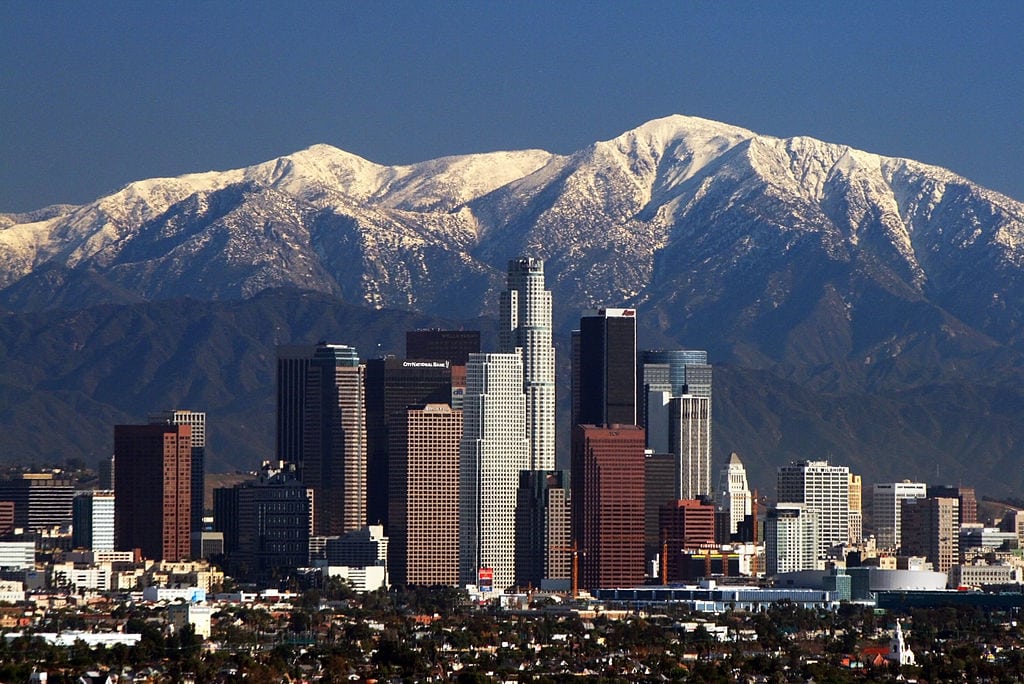
Los Angeles
Venture capitalists from northern California are making their way down south where costs are lower, the weather is better and the culture is more laid-back. According to research firm CB Insights, the city received $3 billion in funding for startups – six times more than in 2012.
Los Angeles is home to Travo, a startup that streamlines the reservation process for business travelers. Using data analytics, Travo finds airfare, accommodation and ground transportation recommendations to match users’ itineraries. If reduced airfare is what you are after Los Angeles-based Airmule can deliver – as long as you act as a courier, and deliver, too. Travelers who agree to use part of their luggage allotment to transport someone else’s stuff will be paid between $250 and $500 per one-way flight.

Boston
Atlas Venture, Bessemer Venture Partners and Matrix Ventures Partners are among the firms investing big money in innovation facilities and university startup projects in the city. Big tech is making big leaps into the area as well, with Facebook and Amazon establishing R&D offices in Boston, and in March, aerospace manufacturer Embraer announced plans to establish innovation teams in both Silicon Valley and Boston by the end of the year.
There is no shortage of travel startups in the New England hub either. Launched in November 2015, Freebird is an app-based service that allows users to instantly book a new ticket – for free – after their flight has been cancelled, delayed or missed due to a tight connection. Also launched in 2015 is Hopper, a fare-forecasting app that alerts travelers when it’s the best time to buy their ticket. In February, TechCrunch reported that the app had seen more than 12 million installations since its debut, and is selling over $1 million worth of flights per day. The app recently launched a “Fair Bear” function that distills airlines’ fine print about cancellation policies, seat selection, carry-on allowance and more.
Chicago
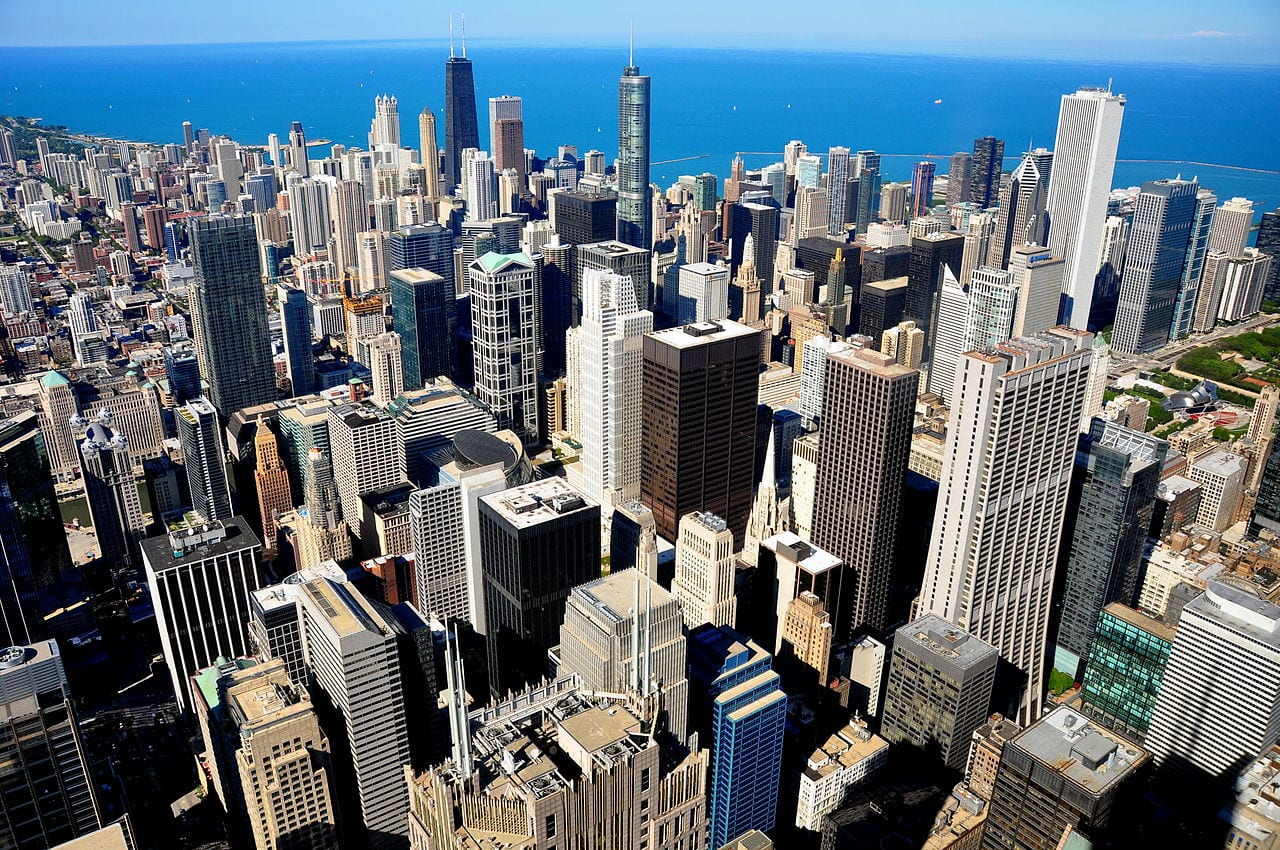
A report conducted by KPMG surveying 800 tech leaders found Chicago to be among the top 10 tech innovation hubs in the world – the city came in 10th on Business Insider’s list. KPMG partner Mike Gervasio said the windy city is well-positioned to be a leading tech hub for the years to come because of its venture capital ecosystem and innovative culture, according to Crain’s Chicago Business. More than $1.7 billion in funding came from Chicago last year, and the city’s low cost of living makes it an attractive place for startups to call home.
The city may be a steadfast leader in B2B innovation and consumer tech, but it is also churning out some notable travel startups. Airfordable is one that allows users to pay their airline ticket in installments. Travelers are required to pay one-third of the cost up front and the remainder can be paid on a monthly or biweekly basis up until the date of departure. Options Away, another Boston-based startup committed to making travel more affordable, offers travelers peace of mind by allowing them to lock in an airfare without committing to a ticket.
Washington DC
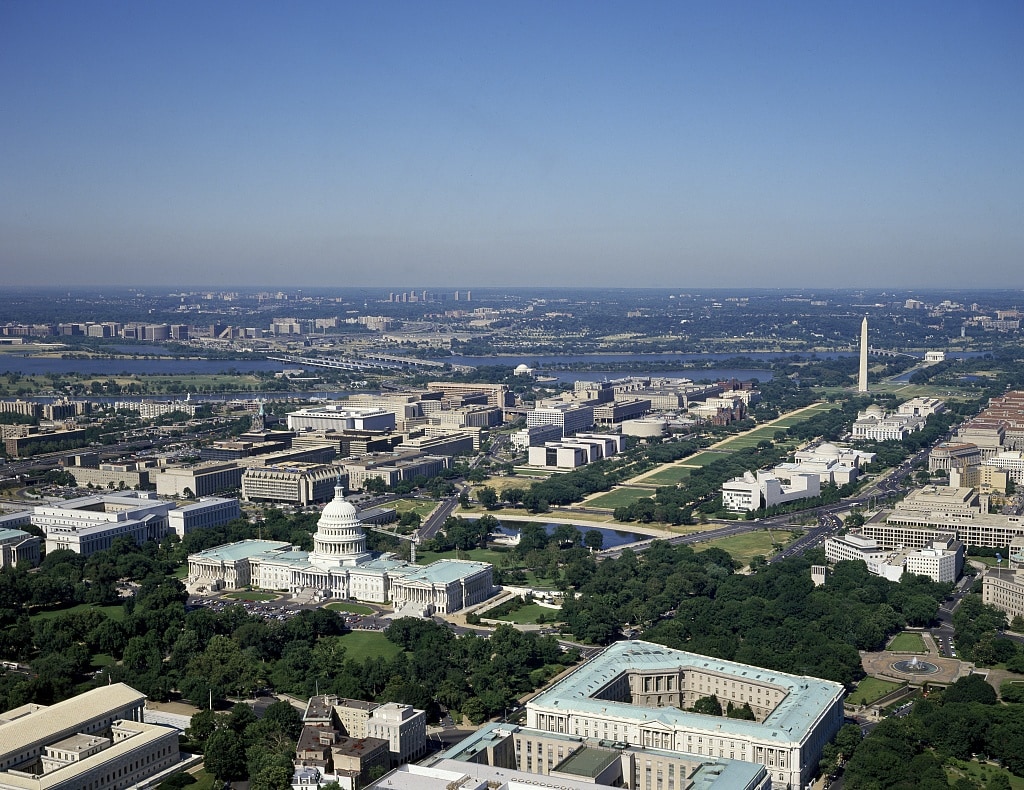
Over the last decade, the American capital has been fostering its tech scene, increasing its overall number of tech-related jobs by 50 percent. Proximity to Capitol Hill and the support of nearby venture capital firms are an added bonus to the 1,000 startups that have set up shop in DC.
While DC is known for its cybersecurity and biotech startups, it is the launching pad of a number of travel-related tech companies as well. Launched earlier this year, Upside allows travelers at small- to medium-sized businesses to save up to 15 percent of the lowest published air and hotel prices. The catch? Travelers must purchase their tickets as a bundle on Upside.com to benefit from the cost savings.
Dallas
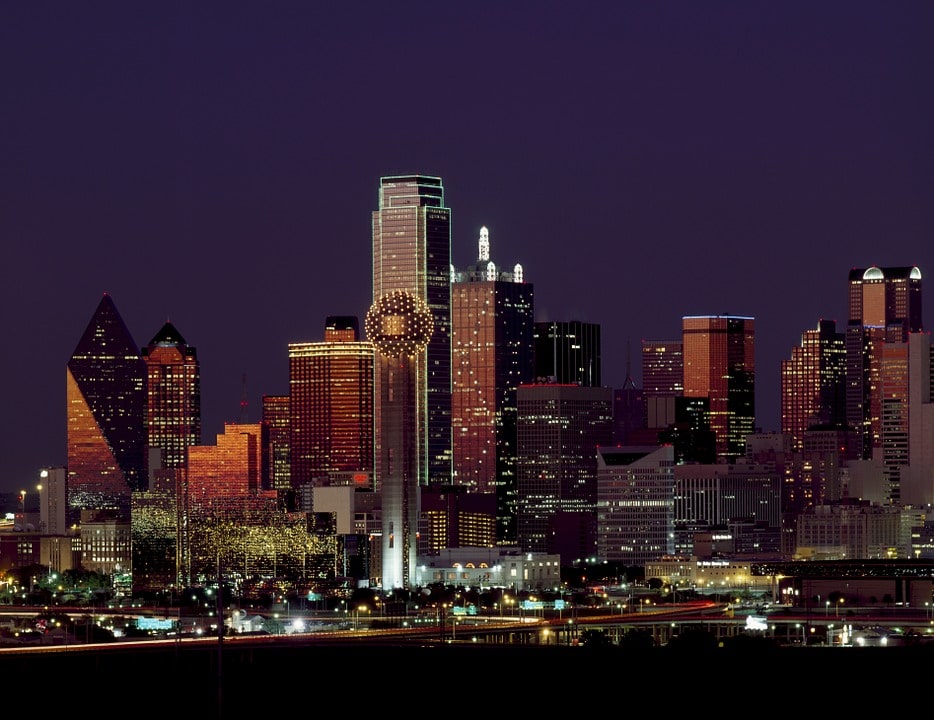
The northern Texan city jumped from 28th in 2016 to 11th this year on Business Insider’s most high-tech list, thanks to its fast-growing venture capital network and the integration of technology into the city’s landscape. Dallas is also centrally located and home to a fair number of Fortune 500 companies that draw in a bevy of talent and potential partners and customers.
In the travel sector, Dallas boasts Traxo, a provider of technology solutions and data aggregation to B2B clients across the travel ecosystem. In December of last year, the startup announced a $5.2 million Series B financing round led by TripAdvisor. Meanwhile, Rise gives users the convenience of traveling private without the price tag. The service offers subscription memberships for $1,650 to $2,650 a month for unlimited travel between Austin, Dallas, Houston and Midland. Passengers can arrive within minutes of takeoff and are given free parking, Wi-Fi and snacks. The startup insists that rather then sell seats on airplanes, it sells time to members – much like the ever successful ride-sharing apps on the ground.