


WestJet Expands Accessibility With New Airchair II Onboard Wheelchair Program

Share
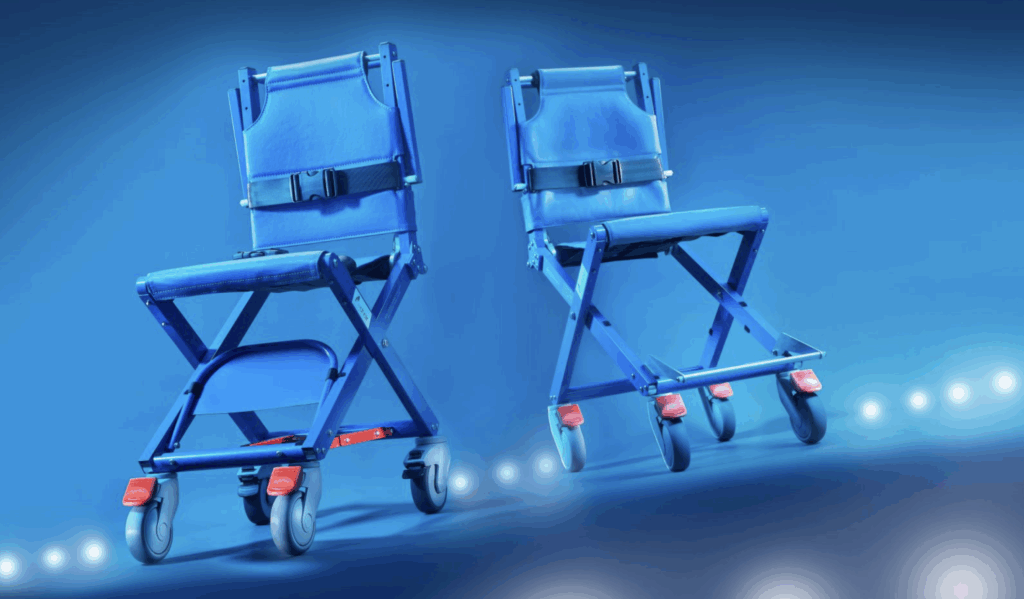
WestJet has taken an important step to improve accessibility by rolling out a new onboard wheelchair program using Airchair’s latest Airchair II. The airline has purchased 22 units for its Boeing 737 fleet and plans to introduce onboard wheelchairs across its entire operation as part of a broader commitment to inclusive guest services. With this move, WestJet becomes the first Canadian airline to adopt the Airchair II and reinforces its long-term strategy to support guests with reduced mobility at every stage of the travel experience.
A New Accessibility Standard Across the WestJet Fleet
WestJet’s decision to expand its onboard wheelchair capabilities reflects its mission to build a barrier-free experience for guests who require mobility assistance. The Airchair II will first be installed on the airline’s Boeing 737 aircraft, followed by a fleetwide rollout designed to create consistency across domestic and international routes. This investment strengthens WestJet’s commitment to supporting passengers with accessibility needs from boarding through arrival, especially those who need help getting to and from their seats.
“The purchase of these new onboard wheelchairs will allow us to serve guests with accessibility needs throughout the travel journey, in particular our guests who need assistance in boarding and taking their seat,” said WestJet Director of Regulatory Affairs and Accessibility, Todd Peterson. “Airchair II provides a safe and comfortable option for transferring passengers within the cabin and to their seats, while simultaneously making it easier for our cabin crew to use and stow aisle chairs.”
WestJet’s accessibility initiatives have expanded in recent years as the airline works to elevate its guest experience and keep pace with evolving industry expectations. The Airchair II adds another layer to that effort by providing modern mobility support that integrates seamlessly into the onboard environment. It allows crews to assist passengers more safely and efficiently, reducing strain on both guests and staff and supporting a smoother in-cabin process.
Airchair II Advances Onboard Accessibility
Airchair II was designed to meet the United States Department of Transportation Regulations, which outlines requirements for onboard wheelchairs on flights to and from the United States. These standards shaped the chair’s development, ensuring it meets strict expectations for safety, performance, and usability. It is also the only onboard mobility device tested to withstand a suddenly applied load of up to 550 pounds (250 kg), reinforcing its durability for airline operations.
As a leading global supplier of onboard wheelchairs, Airchair engineered its latest model with improved materials, a lighter structure, and better ergonomic support for passengers with reduced mobility. Weighing only 15 pounds (6.8 kg), the chair is easy for crew to handle in narrow cabin spaces. It folds into a compact form for stowage and can be deployed quickly, reducing disruption during boarding and in-flight movement. The Airchair II fits inside a compact carry bag that can be stored in an overhead bin or dog box, and it unfolds quickly and securely when needed.
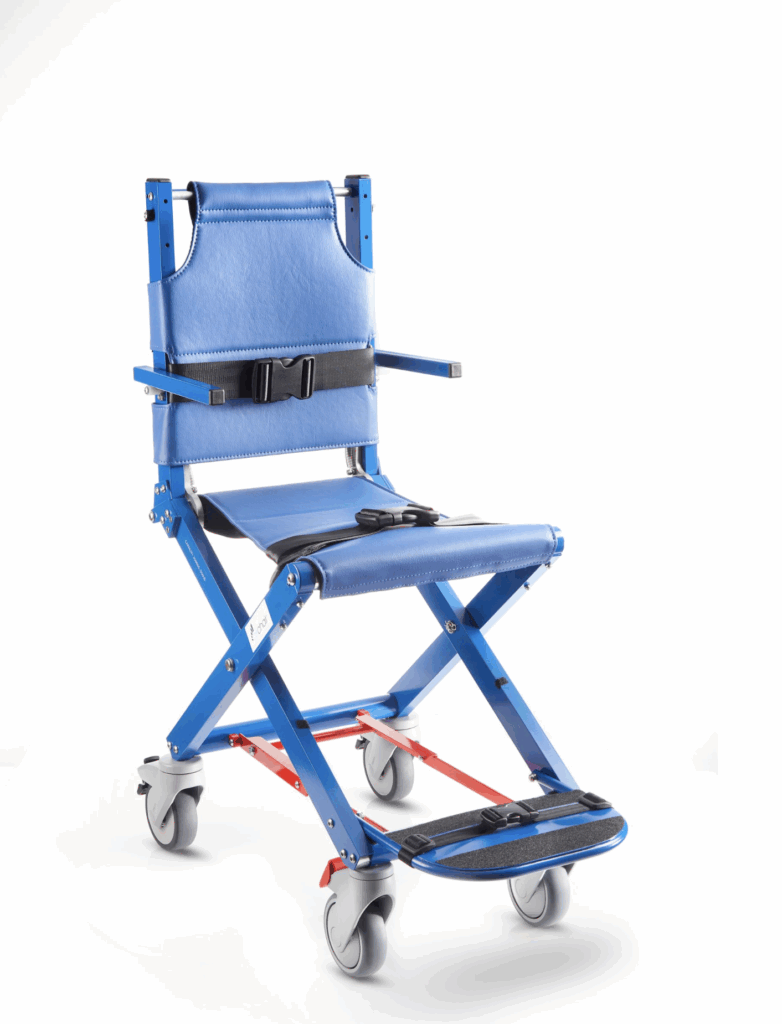
Designed around the realities of aircraft cabins, Airchair II emphasizes lightweight handling, compact storage, and controlled movement to support safe passenger transfers. Its rear wheels can swivel freely, lock for straight motion, or be secured with push-on, push-off brakes. The front wheels rotate and lock to give crew better control in tight spaces. A fold-down footplate with a non-slip surface and securing straps keeps passengers’ feet stable during use.
Airchair Business Development Director Sarah McOnie said, “We are delighted to begin this programme with WestJet. In a really challenging commercial environment WestJet needed to ensure that they chose an onboard wheelchair that met their accessibility requirements, hence why they settled on Airchair II.”
Designing a More Accessible Cabin and Experience
The introduction of the Airchair II follows several years of work by WestJet to build a more structured and systemwide approach to accessibility. Since releasing its first accessibility plan in 2023, the airline has moved from commitments to action, rolling out initiatives that now shape nearly every stage of the travel journey.
Mobility support sits at the center of that effort. With mobility-related requests accounting for the majority of accessibility needs, WestJet has improved how guests communicate their requirements during booking by introducing new IATA special service request codes. These updates help crews and ground teams better prepare for travelers using different types of wheelchairs or mobility aids, improving coordination on the day of travel.
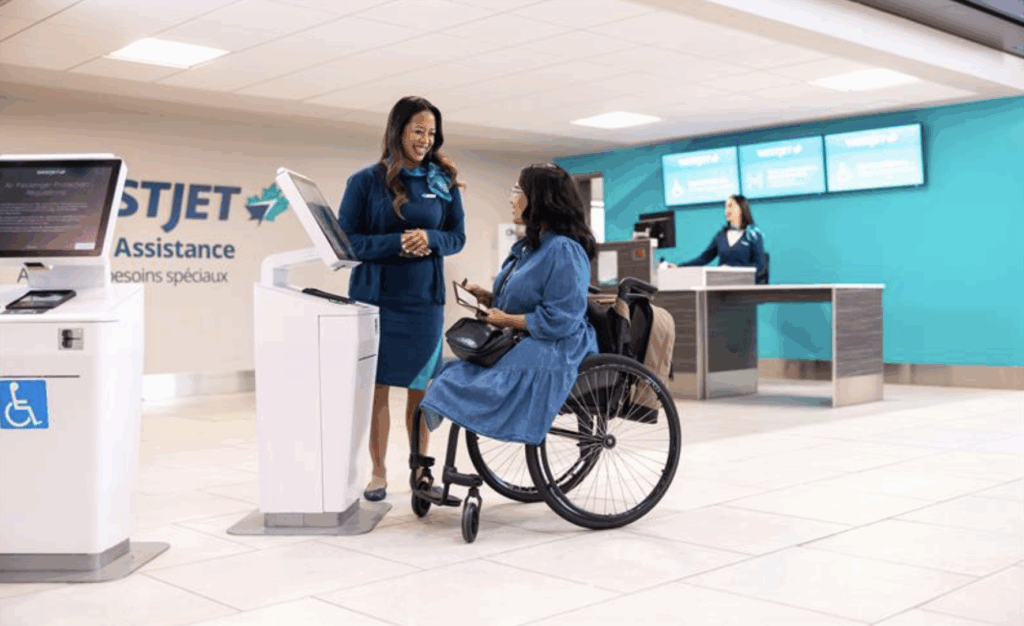
Onboard, WestJet has focused on improving physical cabin accessibility. Braille and raised-character row markers have been added across the Boeing 737-700 NG fleet, with similar updates planned for additional aircraft types. The goal is to support greater independence for guests with visual impairments through thoughtful design.
The airline has also improved digital accessibility by upgrading its website and mobile tools to make them more user-friendly for guests with different needs, supported by independent audits. New online options simplify requests for mobility assistance, service dog registration, and pre-travel planning. Alongside these updates, WestJet refreshed accessibility training for flight crews in 2024 and expanded internal programs focused on inclusion, including joining the Hidden Disabilities Sunflower program to support guests with non-visible disabilities.