


APEX FTE EXPO 2026: Designing a More Accessible and Inclusive Inflight Experience

Share
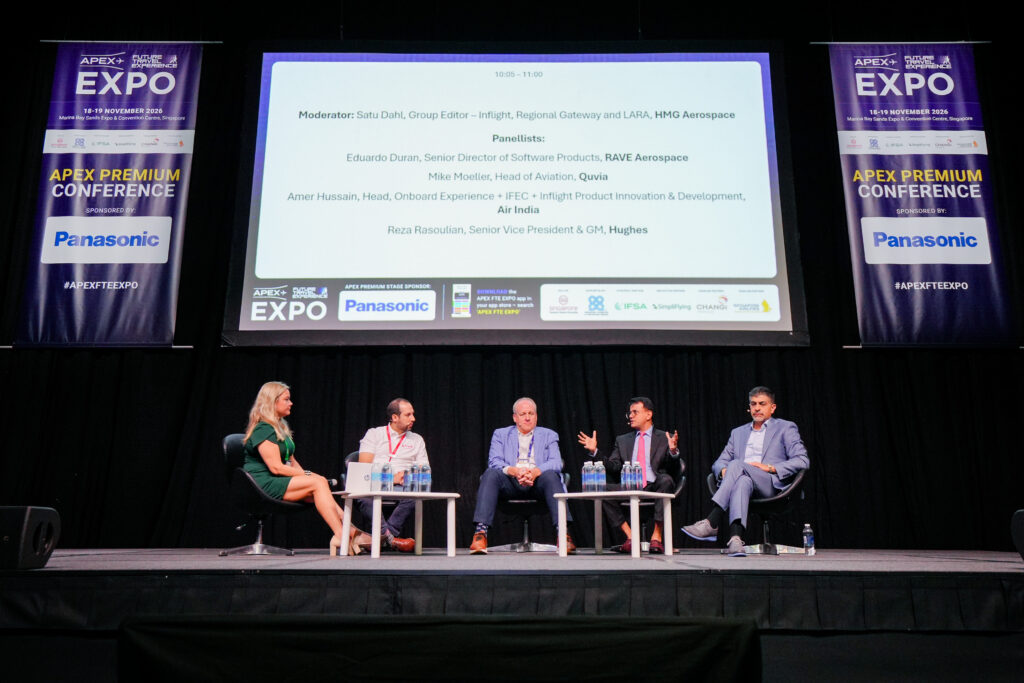
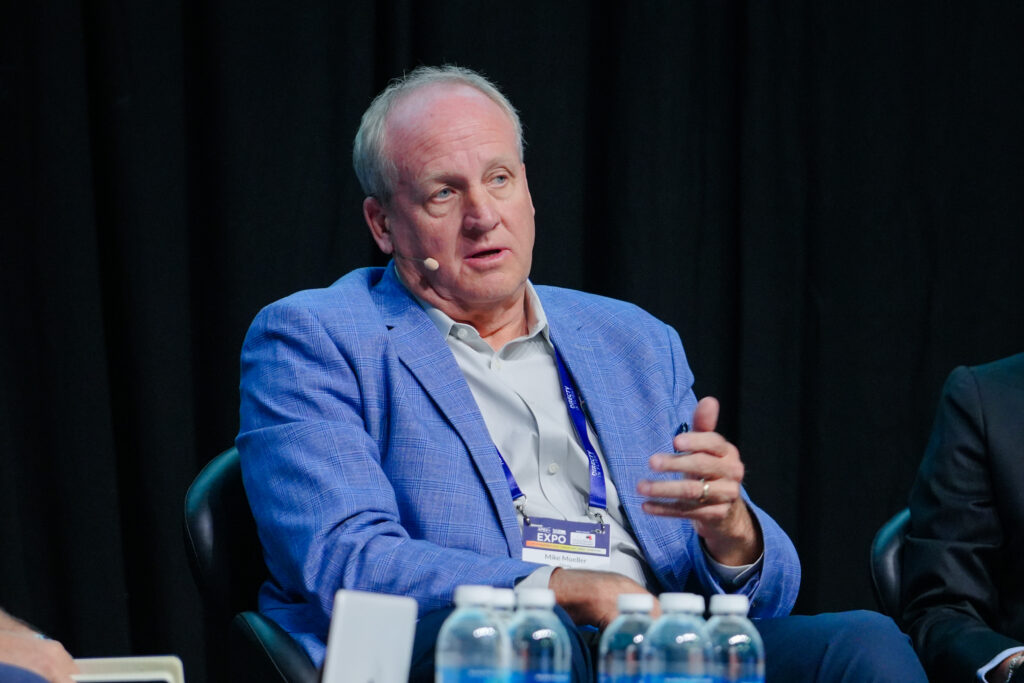
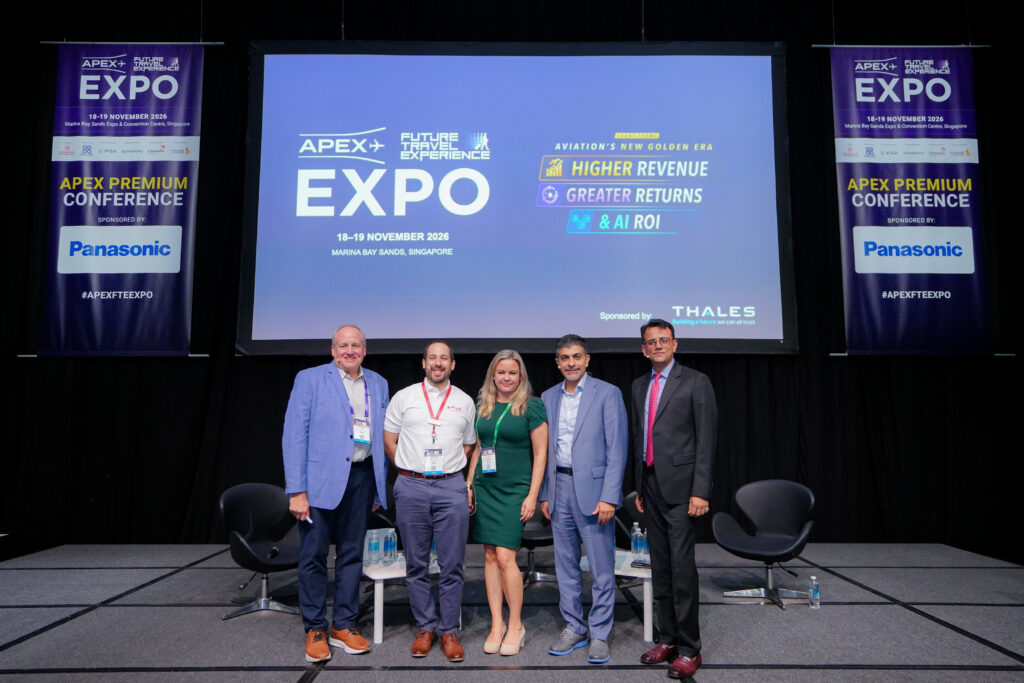
At APEX FTE EXPO 2026, creating a more accessible and inclusive onboard experience was at the center of a panel discussion moderated by Inflight Magazine Editor Satu Dahl. The session brought together four leaders with distinct perspectives: RAVE Aerospace Senior Director of Software Products Eduardo Duran; Quvia Head of Aviation Mike Moeller; Air India Head of Onboard Experience, IFEC, and Inflight Product Innovation & Development Amer Hussain; and Hughes Senior Vice President and General Manager Reza Rasoulian.
Together, they explored how advancements in in-flight entertainment and connectivity (IFEC), artificial intelligence (AI), and personalization can help airlines better serve passengers with different needs, abilities, and preferences. The discussion highlighted the importance of considering accessibility from the beginning of product development, learning directly from passengers with disabilities, and strengthening collaboration between airlines and technology providers.
Incorporating Accessibility From the Start
Rather than viewing accessibility solely as a regulatory requirement, RAVE Aerospace has focused on how it can improve the passenger experience and strengthen customer loyalty. Duran explained that this approach helped the company discover “a whole new world of possibilities” when developing its in-flight entertainment (IFE) products.
Traditional IFE accessibility features primarily focused on passengers with visual impairments, such as allowing users to increase font sizes. Through workshops with disability communities in New Zealand, RAVE gained a better understanding of the challenges passengers with hearing, motor, and cognitive disabilities face when using onboard entertainment systems.
These workshops led to the development of RAVE Accessible Mode, which helps passengers with disabilities navigate the entertainment system and find content suited to their needs. The product is already in service, with RAVE recently announcing its introduction at ITA Airways.
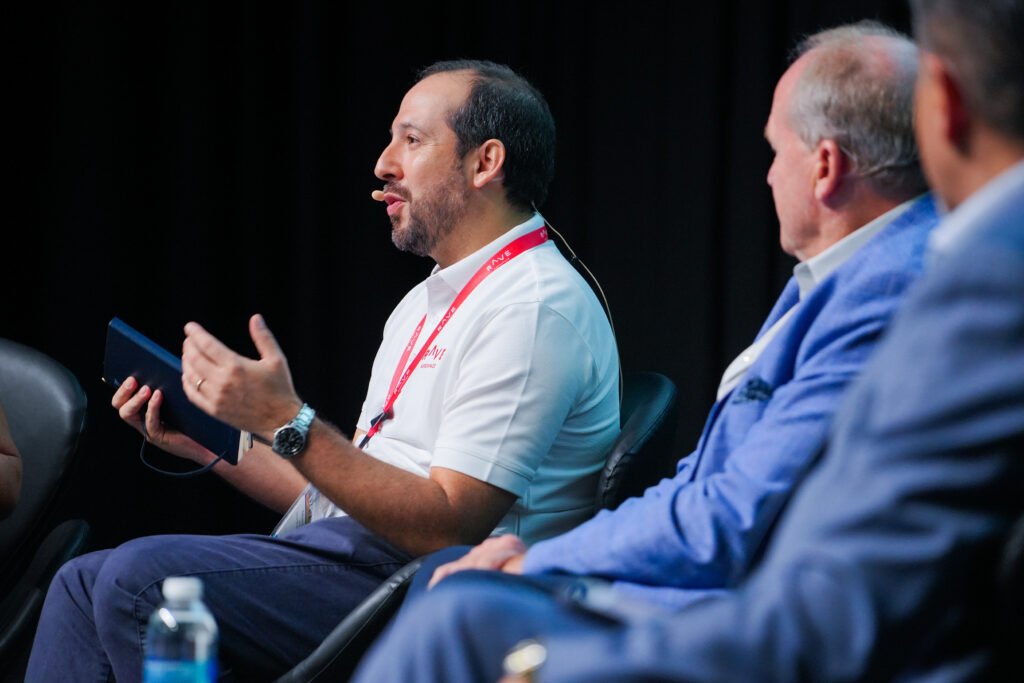
One of the most important lessons came directly from the communities involved in developing the product. “We want this to be developed with us. We don’t want it developed for us,” Duran recalled participants telling the company.
At Air India, accessibility forms part of the product development process from the beginning. Hussain explained that while the airline may not have a solution for every passenger’s needs, considering accessibility early allows it to include these requirements in its business cases and requests for proposals (RFPs).
The airline’s Vista Digital Platform provides an example of how this works in practice. Through testing with different passenger groups, Air India found that using colors outside its traditional brand palette could make certain buttons and other features easier to use.
Making these changes requires different departments, including product development and branding teams, to work together. While Air India’s mixed fleet makes it difficult to offer the same experience on every aircraft, Hussain expects greater consistency over the next three to four years.
Expanding Accessibility Through Inflight Connectivity
The growth of low Earth orbit (LEO) satellite connectivity is creating new opportunities to improve accessibility, particularly on low-cost carriers that have traditionally offered limited onboard entertainment and connectivity.
Drawing on his personal experience as the father of a daughter with a disability, Moeller highlighted the importance of allowing passengers to continue using the applications they rely on in their everyday lives while flying. Quvia is exploring how airlines can prioritize internet traffic for these applications to help ensure they work reliably onboard.
“The premium airlines of the world will now have the same internet as the ultra-low-cost carriers,” Moeller noted. As high-speed Wi-Fi becomes more widely available, passengers traveling on aircraft without seatback entertainment systems could use their personal devices to access services that were previously unavailable onboard.
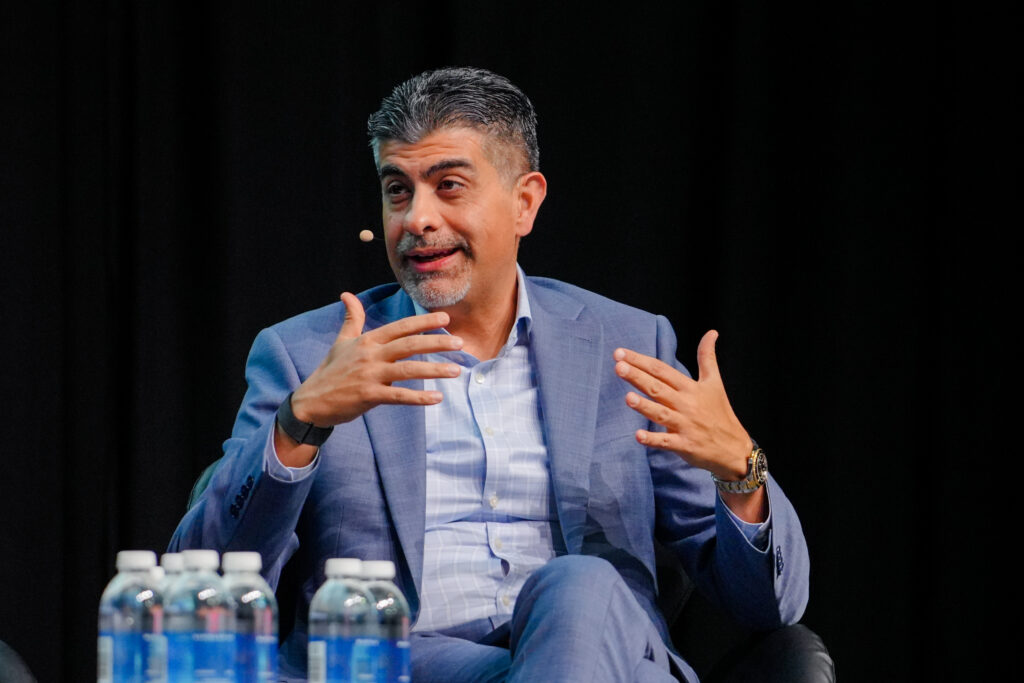
Hughes’ Fusion solution, which is already in service, combines capacity from Ka-band and Ku-band satellite networks. Rasoulian highlighted how increased onboard processing power could help airlines introduce new features across both seatback screens and personal devices.
“At Hughes, we want to eliminate constellation lock,” Rasoulian explained, referring to the company’s approach to giving airlines greater flexibility rather than limiting them to a single satellite constellation. He pointed to Hughes’ partnership with OneWeb and the growing number of connectivity options available to airlines.
With more satellite networks entering the market, Rasoulian sees opportunities to introduce services that the industry has not yet considered. Part of Hughes’ approach involves working with its airline partners to “figure out what else we could be doing together to help the passenger.”
Delivering accessible live content, however, remains a challenge. Hussain used live sporting events as an example, explaining that airlines and their technology partners need to balance providing subtitles with minimizing delays so passengers do not miss important moments.
Using AI to Improve Accessibility
Advancements in AI and onboard processing power could help airlines introduce accessibility features that were previously difficult to deliver. “We put an AI chip in every screen that we sell,” Duran explained, referring to RAVE’s IFE products.
One potential use of this technology involves providing real-time translations and transcriptions of onboard announcements. When a captain makes an announcement, passengers could read the information in their preferred language on their seatback screens. This could benefit travelers who are deaf or hard of hearing, those who do not understand the language of an announcement, and passengers with cognitive disabilities who may find it helpful to read information while listening to it.
Hussain sees opportunities to bring features passengers already use on the ground into the cabin, including speech-to-text capabilities available on platforms such as YouTube. When developing new products, his team looks at passengers’ “lived experiences and demonstrated behavior” to better understand how they use technology.
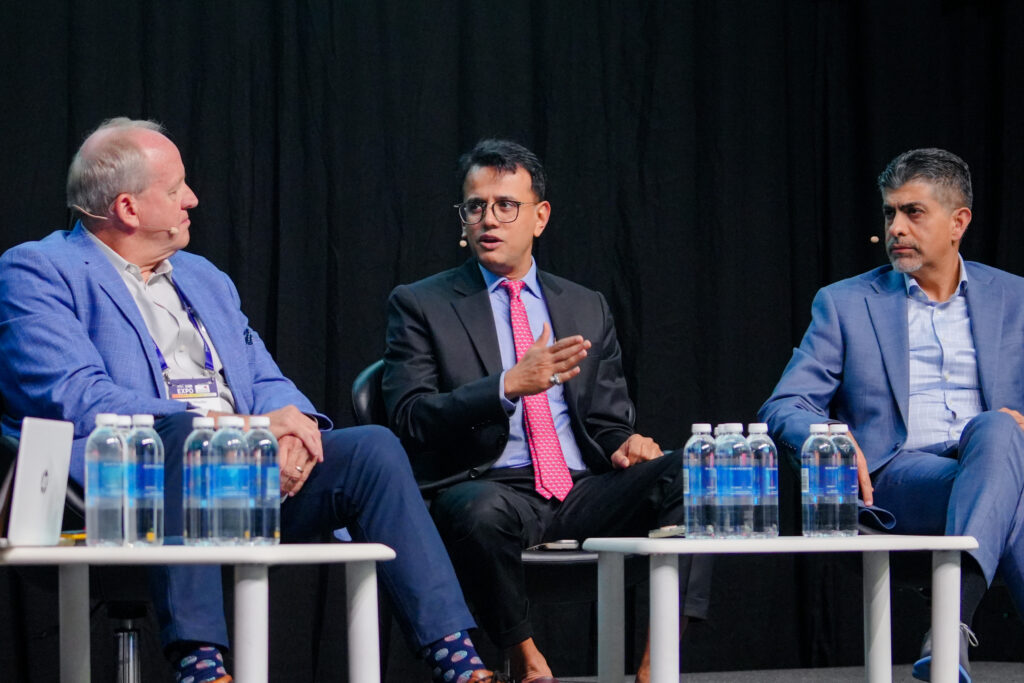
“Why can’t I listen to a movie?” Hussain asked. Giving passengers the option to listen to movies without watching them could offer greater flexibility while expanding the range of content available to passengers with visual impairments.
Moeller explained how the conversation surrounding inflight connectivity (IFC) has shifted from the size and weight of antennas and the types of satellite networks airlines use to the services carriers can offer through their onboard systems. “What is the value above the network?” he asked, pointing to how AI can become more useful when data flows between different systems.
Beyond introducing new passenger-facing features, AI can help improve the reliability of inflight connectivity. “Our systems basically correct themselves,” Rasoulian explained, referring to Hughes’ ability to automatically address certain network problems.
For example, the technology could notify an airline’s maintenance team that an onboard wireless access point is about to fail, allowing the team to address the issue before it affects passengers. Rasoulian referenced Delta Air Lines and Air India when discussing the rollout of these capabilities.
Giving Passengers Greater Control Over Their Experience
Through its discussions with disability communities, RAVE learned that many passengers with accessibility needs spend considerable time preparing for their flights. Duran highlighted how personalization could allow travelers to set their IFE preferences before boarding.
Passengers could choose to have closed captions turned on or Accessible Mode activated while still on the ground. By the time they reach their seats, the entertainment system could already reflect their preferences. Duran noted that having these settings ready in advance “minimizes the friction.”
Maintaining independence onboard remains important to passengers with disabilities. Hussain explained that allowing travelers to synchronize their personal devices with onboard systems could help them access the services they need without drawing attention to themselves. While these changes may seem small, he noted that “to a person who requires it, it means the moon.”
Moeller echoed this point, drawing on his experience as the father of a daughter with a disability. “My daughter doesn’t want to stand out,” he shared. Giving passengers access to the technology they rely on in their everyday lives could help them feel more comfortable and reduce anxiety when flying.
Language represents another area where Air India sees opportunities to improve accessibility. With English remaining the default language for many inflight connectivity platforms, passengers with limited English proficiency may struggle to understand information such as the terms and conditions when connecting to onboard Wi-Fi.
Taking inspiration from road signs, Hussain explained that Air India is exploring how recognizable symbols could make its digital platforms easier to navigate without relying entirely on written instructions.
To better understand where passengers encounter difficulties, Air India has introduced short surveys at different points throughout the journey. Rather than relying solely on broader customer satisfaction measurements such as Net Promoter Score (NPS), the airline hopes to identify specific areas where changes are needed.
“We will not have all the answers,” Hussain acknowledged. He believes systems that allow airlines to update individual features without changing the entire platform could help carriers better respond to customer feedback.
Working Together to Deliver a More Inclusive Experience
Initially, RAVE developed Accessible Mode as a feature exclusive to its IFE systems. However, feedback from disability communities led the company to reconsider its approach, as passengers pointed out that they often have little control over which aircraft or entertainment system they encounter when traveling.
In response, RAVE made its accessibility research and designs publicly available, encouraging other IFE providers to use its findings when developing their own products. “If we can create a standardized, accessible experience, the winners are the passengers,” Duran stressed.
One challenge to greater collaboration across the IFEC industry involves data ownership. Moeller explained that existing agreements between airlines and technology providers can prevent carriers from accessing and combining data from different onboard systems.
As an independent software provider, Quvia encourages airlines to retain control over their data. “You need to control the cabin,” Moeller emphasized. Bringing this information together could help airlines better understand how their onboard products perform and identify opportunities for improvement.
Hughes provides its airline customers with testing environments where they can integrate software from different technology providers. Rasoulian highlighted the importance of moving beyond traditional supplier relationships and being more transparent when sharing data. “We learn together and we are able to improve the product together,” he explained.
Looking ahead, Moeller expects airlines to increasingly use multiple satellite connectivity providers on the same aircraft, allowing carriers to maintain connectivity if one network experiences issues. Combined with increased onboard processing power and greater control over data, these advancements could allow airlines to differentiate themselves through the services they offer rather than the connectivity networks they use.
Duran emphasized that introducing an accessible IFE system represents only one step toward making air travel more inclusive. “This is not the end of the road,” he noted. Rather than treating accessibility as a one-time project, Duran believes it needs to remain part of every decision airlines and technology providers make to improve the passenger experience and strengthen customer loyalty.