


Accessibility in Air Travel: Industry Stakeholders Offer Solutions for Pax With Disabilities
Share
APEX Insight: Awareness of mobility issues and ‘hidden’ disabilities, such as autism, dementia, hearing loss, poor eyesight and blindness, is rising, and real strides are being made by airlines, airports and manufacturers to make air travel more accessible for all. In honor of this year’s World Tourism Day theme – universal accessibility – APEX Media is looking at how stakeholders are working together to promote inclusivity in the air travel industry.
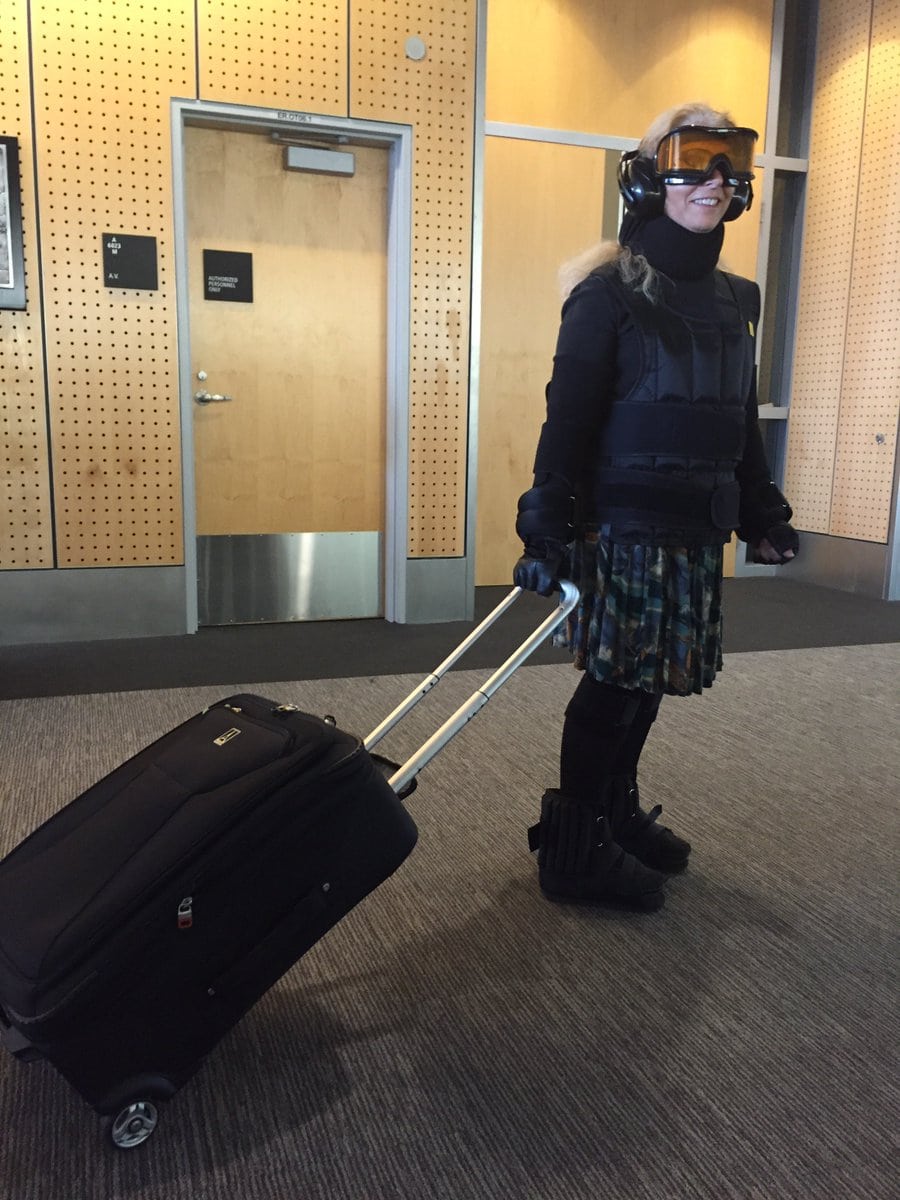
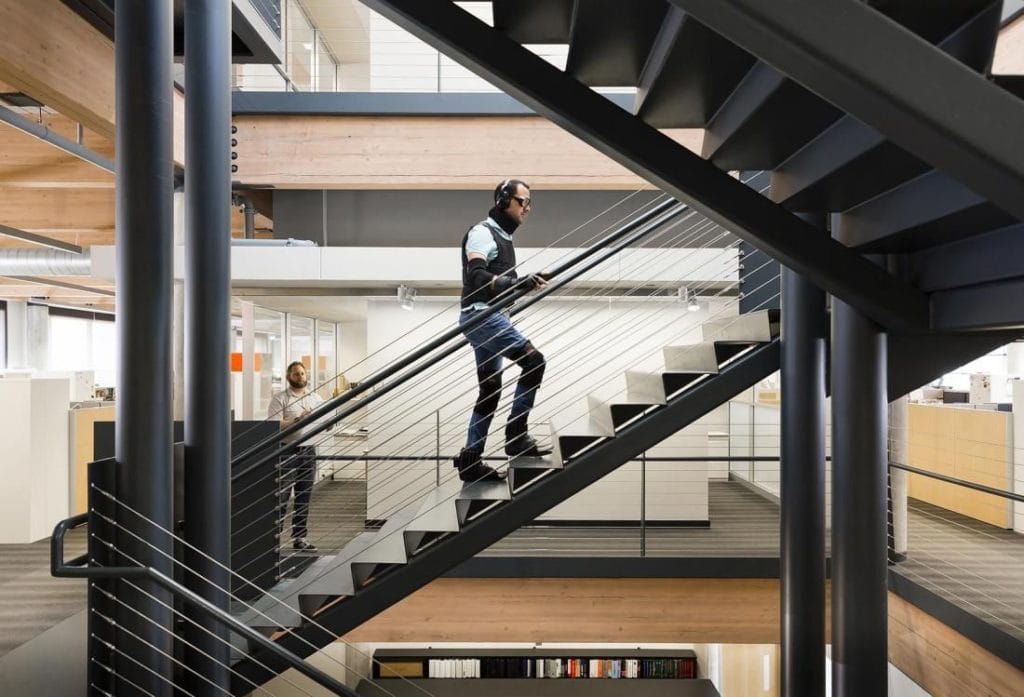
Like shops that post “Sorry, we’re open” notices in their front windows, the facilities and accommodations in airports and on airlines often send mixed messages to air travelers who have reduced mobility and special needs. I recently got a taste of that during a morning spent plodding around Seattle-Tacoma International Airport in the age simulation suit used by architects in the aviation division at Corgan to help think through creative designs for accessible airport spaces.
Hobbled by a heavy vest, earmuffs that simulate hearing loss, blurry goggles and a variety of bulky accessories designed to impede my movement, I struggled to read signs, negotiate escalators, find elevators, hear announcements, wrestle baggage off the carousel and find my way around. Frustrating as that one-time experience was for me – and as common as it is for others – the good news is that real strides are being made in making travel easier for those with temporary or permanent mobility issues and others with ‘hidden’ disabilities such as autism, dementia, hearing loss, poor eyesight or blindness.
In many cities, airlines and airports have special programs and events for children and adults with autism. This past June, Dublin Airport (DUB) received the inaugural Accessible Airport award from Airport Council Europe. Judges noted that DUB’s “Changing Places” toilet facility, guide dog relief areas, fully accessible retail and catering areas and other service accommodations exceed existing standards. In August, London’s Heathrow Airport announced its intention to be the world’s first dementia-friendly airport by providing special training and online resources for the 76,000 people that work at the airport.
And as airports embrace location-based beacon technology, they’re building their own mobile apps that not only offer all travelers wayfinding tips, wait times status and other information, but include tools to help people with a wide variety of temporary or permanent disabilities better navigate the terminals. “San Francisco International Airport, Dallas/Fort Worth International Airport and Miami International Airport [are among] the airports looking to build access into mobile apps,” said Eric Lipp, executive director of Chicago-based Open Doors Organization. Like SFO’s prototype app for visually impaired passengers in 2014, many access features are being put into place from the beginning – “not halfway through or after legislation,” said Lipp.
“We’re seeing a great awareness in the industry and I know that teams at Boeing and other manufacturers continue to work on these issues.” €” Kenneth Erickson, University of South Carolina
Although the lead time may be longer, aircraft manufacturers are also looking at how to incorporate accessible features. Back in 2009, Kenneth Erickson, a clinical assistant professor at the University of South Carolina’s Darla Moore School of Business, was invited by an interior design team at Boeing to observe a variety of differently abled passengers during their travel journey and make recommendations on what might make their journeys easier. “We’re seeing a great awareness in the industry and I know that teams at Boeing and other manufacturers continue to work on these issues,” said Erickson.
Industry-wide, there’s a lot at stake if air travel isn’t made accessible overall. “One hundred percent of humans, if they live long enough, will experience some sort of limited mobility, limited hearing or limited vision,” said Erickson, “so the danger of not making changes is that people will just choose not fly.”