


Air Cambodia Selects AirFi for Fleetwide Wireless In-flight Entertainment

Share
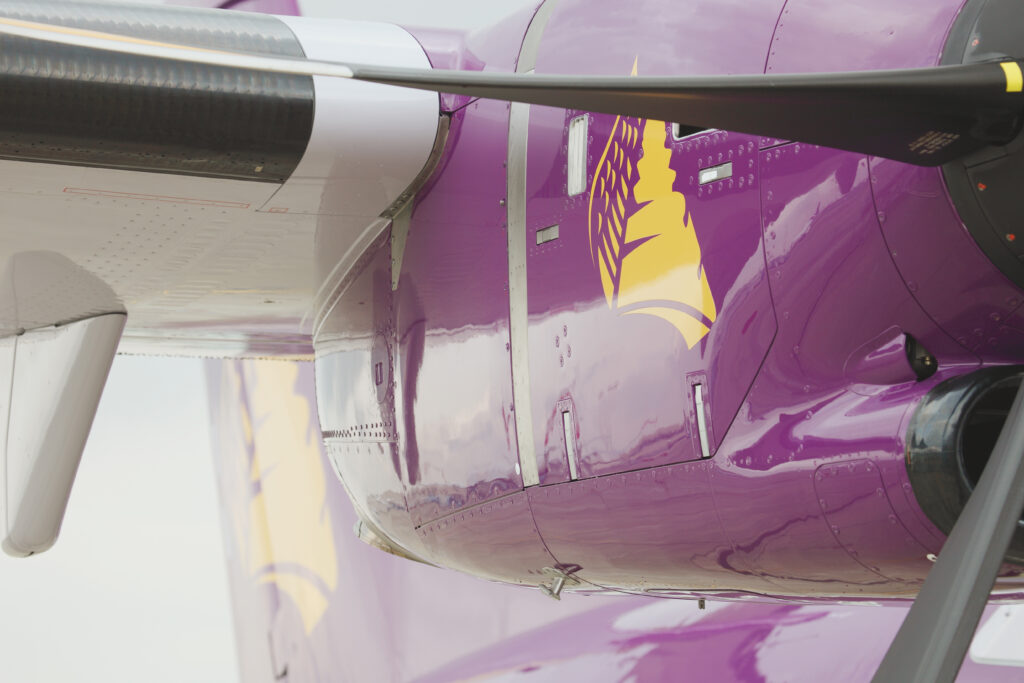
Air Cambodia has selected AirFi to deliver wireless streaming in-flight entertainment (IFE) across its fleet as part of a broader passenger experience upgrade tied to its recent re-brand. Passengers will be able to stream content through a browser using their personal electronic devices across different aircraft types. The move creates a more consistent digital cabin experience built to scale as the airline grows.
Digital Consistency Across the Airline
Air Cambodia’s adoption of AirFi’s streaming platform fits into a wider strategy focused on efficiency, accessibility, and service modernization. Following the launch of its new brand identity, the airline prioritized delivering a unified passenger experience across its mixed fleet serving domestic and regional routes.
Under the partnership, AirFi’s wireless IFE platform now operates across Air Cambodia’s Airbus A320 and ATR 72-series aircraft, including the ATR 72-600. The system went live on February 1, enabling passengers to access entertainment directly on their personal devices without seatback hardware.
“Air Cambodia operates a mixed fleet serving a wide range of routes, and that’s exactly where our streaming IFE platform adds value,” said AirFi Chief Executive Officer Laura Rösges. “Our technology is designed to deliver a consistent onboard experience across different aircraft types, while giving airlines the flexibility to scale and evolve their digital offering over time.”

Through AirFi’s browser-based interface, passengers can stream a curated mix of films, television programs, music, games, digital newspapers, magazines, and a moving map. The platform requires no app download, reducing friction for travelers and simplifying deployment for the airline.
Initial content is being supplied by QuiverTree Media, with the first phase focused on non-DRM (digital rights management) programming. DRM-protected titles will be introduced later in 2026 as the platform evolves. This phased rollout allows Air Cambodia to launch quickly while building toward a more robust catalog.
“Air Cambodia’s selection highlights the commercial value of QuiverTree Media’s adaptable content offering, tailored to regional audiences and delivered via AirFi’s flexible streaming technology,” said QuiverTree Media Laura Rösges VP Business and Market Development Sotiris Damianos.
“Our technology is designed to deliver a consistent onboard experience across different aircraft types.”
– Laura Rösges, AirFi
Scaling a Regional Digital Ecosystem
The Air Cambodia rollout also strengthens AirFi’s footprint across Asia, where the company now supports more than 15 airline customers and has equipped over 280 aircraft with portable IFE solutions. The region’s mix of fleet types and route structures makes lightweight, modular platforms especially attractive for airlines.
AirFi’s system is designed to scale alongside airline growth. Because it relies on portable hardware and browser-based delivery, airlines can add aircraft or adjust routes without rebuilding their entertainment infrastructure. That adaptability is critical for carriers operating mixed fleets or planning expansion.

Air Cambodia expects the platform to support future aircraft deliveries, including the addition of up to 20 Boeing 737s. By deploying a fleet-wide solution now, the airline establishes a digital foundation it can extend across new aircraft without fragmenting the passenger experience.
AirFi’s platform also leaves room for future enhancements. Beyond films and television, the system can support onboard retail, destination guides, and interactive features as Air Cambodia expands its digital roadmap.
Consistency remains central to the partnership. A single digital interface ensures passengers encounter the same experience regardless of aircraft type. For an airline operating both Airbus narrow-bodies and regional turboprops, that continuity reinforces brand identity across the network. As Air Cambodia grows its fleet and route map, the AirFi platform functions as a scaleable backbone for onboard services, underscoring how wireless entertainment is becoming a baseline expectation for modern travel.