


APEX FTE EXPO 2026: Eclipse Global Connectivity Brings Multi-Orbit Retrofit Expertise to Singapore

Share

Eclipse Global Connectivity will make its first appearance as an APEX FTE EXPO exhibitor in Singapore as the company renews its focus on the Asia-Pacific market. Eclipse will highlight its work across multi-orbit connectivity, aircraft retrofits, certification, and cybersecurity, including its Airbus A350 retrofit work. After around a decade as an APEX member, the company sees the show as an opportunity to reconnect with airlines across the region which are considering their next generation of inflight connectivity.
Bringing Eclipse Back to Asia-Pacific
Eclipse is turning its attention back to Asia-Pacific after growing its connectivity business in other parts of the world. The company is pursuing new opportunities in the region as airlines consider new satellite networks and ways to upgrade their fleets.
Some carriers are focused on Low Earth Orbit (LEO) systems, while others are considering Medium Earth Orbit (MEO), Geosynchronous Earth Orbit (GEO), or combinations of different networks, including air-to ground (A2G) services. As partners of Viasat, SES, Eutelsat, Iridium, and SkyFive, Eclipse works across all three satellite types as well as air-to-ground networks to help airlines choose and certify a solution based on their fleets, routes, passenger needs, and business goals.
“This is really our core strength, to find the best solution and to develop this technical solution with customer and partner,” Eclipse Global Connectivity CEO Marc Pinault said. At APEX FTE EXPO, the company plans to show how that work extends beyond choosing a satellite network to engineering, certification, software, equipment, and installation.
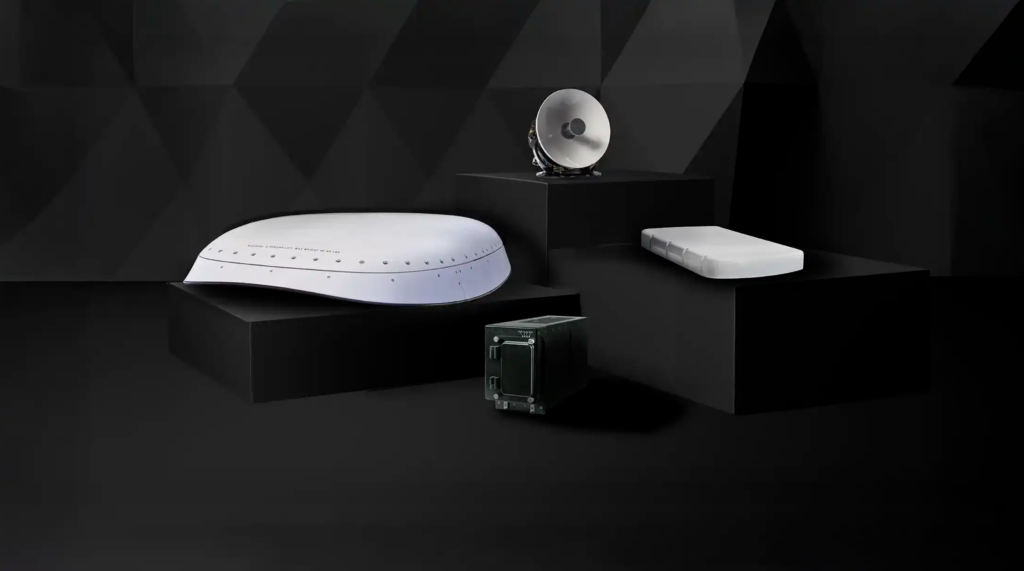
Its 100+ retrofit program with Saudia provides one example. Eclipse is delivering a multi-orbit Ka-band solution across 102 aircraft, including Airbus A320s, A321s, A330s, and Boeing 777s.
The system combines MEO and GEO connectivity and includes software, supplemental type certificates (STCs), installation kits, satellite communication modems, and airborne network equipment. The program demonstrates how Eclipse can apply one strategy across several aircraft types.
That experience could prove especially relevant to Asia-Pacific carriers as they look at LEO and multi-orbit options. APEX FTE EXPO gives Eclipse a chance to speak directly with airlines about those choices and the technical work needed to bring connectivity onboard.
Taking Connectivity to the A350
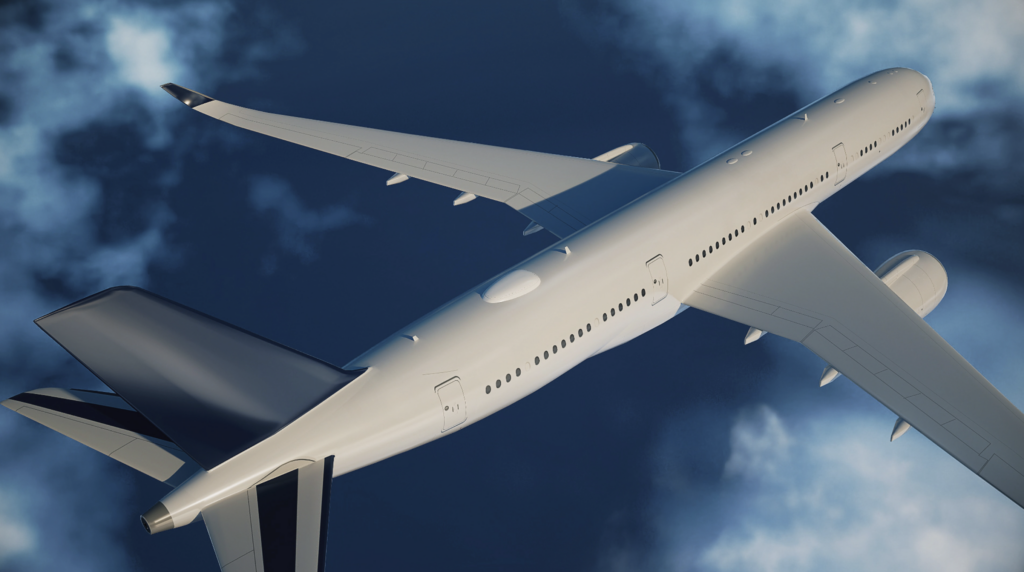
Another major focus for Eclipse in Singapore will be its Airbus A350 retrofit program. The company has developed connectivity STCs for the aircraft and sees the program as an example of how it can handle some of the more challenging parts of adding new systems to an existing fleet.
Eclipse developed a six-lug mounting system that uses the A350’s existing ARINC 791 provisions. The approach reduces the level of modification required and can shorten the time an aircraft spends out of service.
The company handles its baseplate engineering in-house, including sizing, modal analysis, electrical provisions, and manufacturing. Although Eclipse first developed this approach for the A350, it adapts the concept to other aircraft equipped with ARINC 791 provisions.
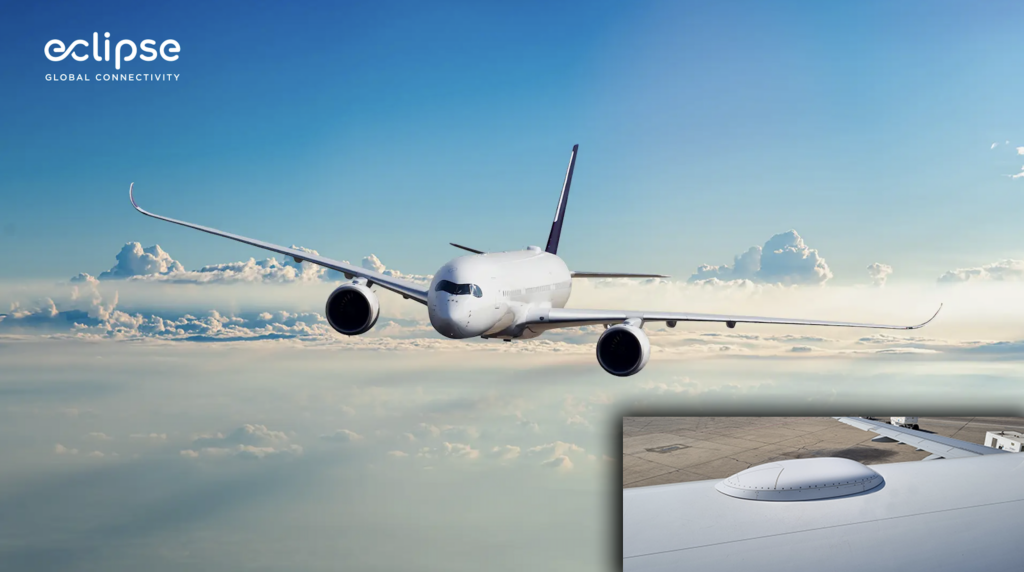
For airlines meeting Eclipse at APEX FTE EXPO, the A350 program shows how the company approaches integration from the aircraft side. Rather than starting with one antenna or satellite provider, Eclipse focuses on how the system can fit the aircraft, earn certification, and remain practical to maintain.
“The A350 for us is a perfect example of what we want to do,” Eclipse Technics Managing Director Patrick Gindre said. The project builds on Eclipse’s wider certification experience, which includes more than 600 STCs worldwide across Airbus, Boeing, and other aircraft.
Eclipse Technics, the company’s design and certification subsidiary, manages design, certification, and production programs with aviation authorities including EASA, the FAA, CAAC, ANAC, and military airworthiness authorities. That experience allows the company to take on different roles depending on what an airline needs.
In some cases, a carrier has already selected its satellite network and hardware and turns to Eclipse for integration. In others, Eclipse becomes involved earlier and helps with hardware selection, network design, software, certification, and procurement.
“We really adapt ourselves to the airline’s needs,” Gindre said. That flexibility will shape Eclipse’s message in Singapore as it works with airlines using different aircraft and satellite networks.
Connecting New Technology With the Aircraft
Eclipse will use APEX FTE EXPO to highlight another part of the process that passengers rarely see: how the satellite system connects with an aircraft’s onboard networks. Cybersecurity now plays a larger role as airlines add more connected systems.
The company works across airborne network architecture, separation between aircraft systems, security risk assessments, and certification. Eclipse has software specialists in Paris focused on connectivity and certification experts in Toulouse.
Its work with government, military, and VVIP operators gives Eclipse experience with systems that face demanding security and reliability requirements. The company brings that in depth experience into its commercial airline programs while continuing to invest in its teams as cybersecurity requirements change.
Certification creates another challenge. Airlines may want to introduce new systems quickly, but every aircraft modification still requires regulatory approval, and Gindre said certification authorities face growing workloads as security requirements and technology continue to evolve.
Eclipse has developed a strong working relationship with Airbus around some certification challenges and wants to build a similar dialog with Boeing as it continues to expand its retrofit work. For airlines considering new connectivity systems, those issues can matter just as much as the satellite network itself.
The antenna must fit the aircraft, the onboard network must remain secure, regulators need to approve the modification, and the finished system has to perform as intended. Eclipse plans to use APEX FTE EXPO to show how its engineering, certification, software, and integration work bring those pieces together.
Eclipse Global Connectivity will be discussing its multi-orbit connectivity, aircraft retrofit, certification, and cybersecurity capabilities at booth 91 during APEX FTE EXPO in Singapore, including its work on the Airbus A350 and Saudia’s fleetwide connectivity program.