


Crew With Cameras: Should Airlines Equip Employees With Recording Devices?
Share
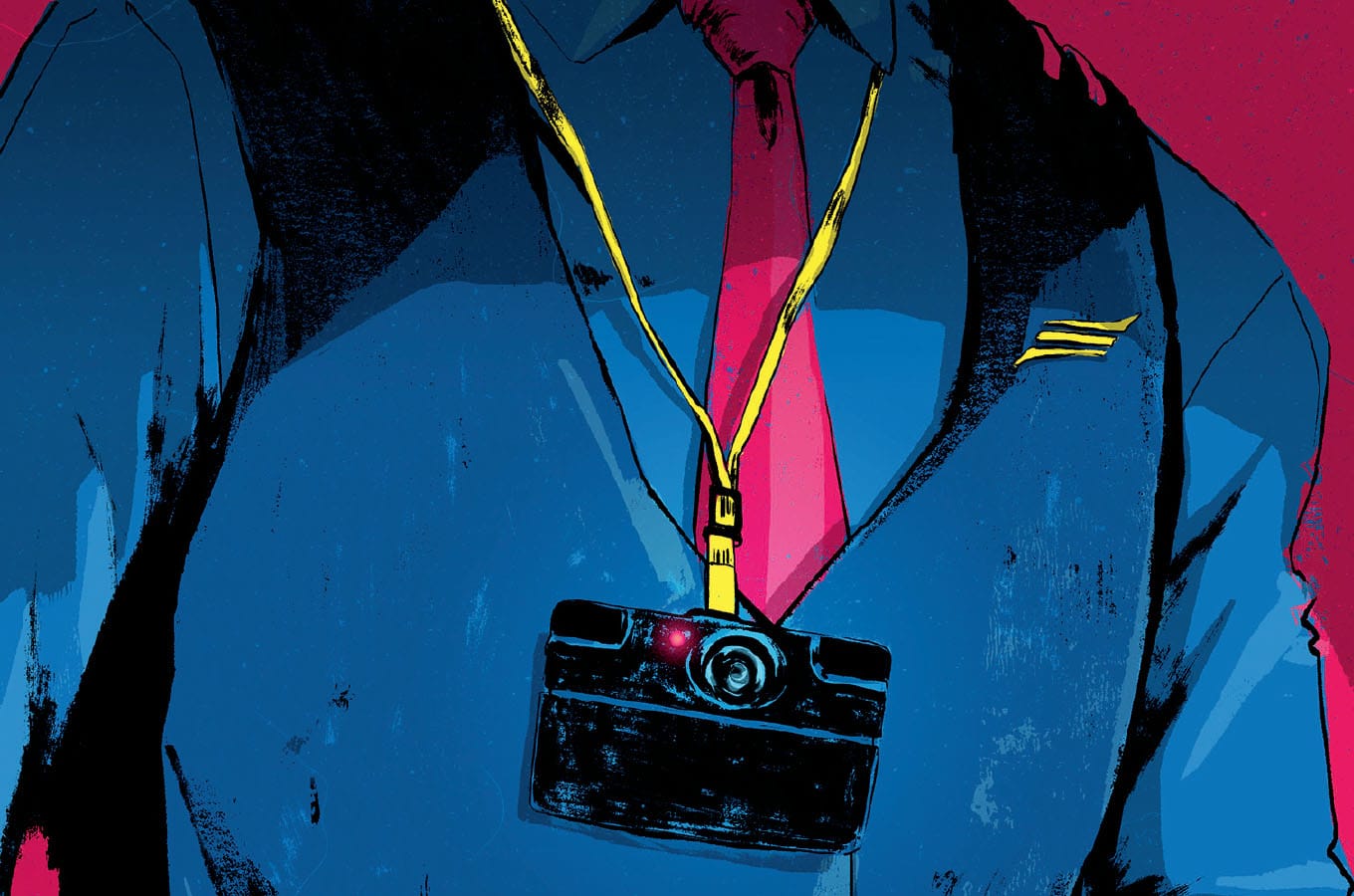
APEX Insight: Heated interactions with airline staff are usually filmed from the passenger’s perspective. Now one carrier is equipping ground staff with recording devices to get the other side of the story.
The video of passenger David Dao being forcibly removed from an overbooked United Airlines flight last year spread through the Internet like wildfire. And while confrontations between airline staff and customers aren’t always so dramatic and, admittedly, disturbing, in the age of the personal recording device, passengers can now share footage of even the smallest dispute with the world. So what’s an airline to do?
Surveillance cameras that monitor the entrance to the cockpit and the airplane cabin have been around since 2002, when US carrier JetBlue installed them in the wake of the September 11 hijackings. And Aurigny, a Guernsey-based carrier, has equipped its airport staff with body cameras supplied by Scottish outfit Edesix to be turned on when a situation is about to spiral out of control. “Why should it just be that the passenger is the one who is recording everything on their cell phone and editing it the way they see fit?” Edesix managing director and founder Richie McBride told the New York Times in November. “The crew has no way of documenting what they went through to get to the very explosive situation,” he added.
“Why should it just be the passenger who is recording everything on their cell phone?” – Richie McBride, Edesix
No major airlines have thus far showed interest in such recording devices, but that doesn’t mean their airline staff aren’t willing to turn the tables on passengers nonetheless. Last May, another United passenger filmed a ticketing agent he claimed was “being rude.” In response to the filming, the staff member canceled the passenger’s ticket and hit record on her own device.
Gabor Lukacs, a Canadian passenger rights advocate who has filed more than two dozen successful regulatory complaints against air carriers with the country’s transportation authority, isn’t against the idea of airline staff wielding cameras, in principle. “It protects both sides,” he says, adding, however, that the selective nature of Edesix’s version is problematic. “The agent can choose to turn on the camera only when a passenger raises his or her voice and what happened before isn’t recorded; it documents an incomplete portion of the situation.”
Lukacs also worries that passenger privacy could be compromised – especially in the case where a camera inadvertently records a private conversation. “That would amount almost to accidental wiretapping.” How will airlines use these types of recordings, how will they be stored and for how long? How will a customer’s personal information be protected? These are just some of the questions Lukacs thinks need to be addressed before moving forward.
Though some airlines prohibit passengers from filming their employees through the terms of service outlined on their tickets, it isn’t necessarily illegal (laws do vary from country to country, though). But by doing so, passengers would be in breach of the contract they agreed to when they handed over their credit card in exchange for a seat on the airplane – and that might just mean they’re grounded.
“Crew With Cameras” was originally published in the 8.2 April/May issue of APEX Experience magazine.