


Lufthansa Technik Sofia Expansion Keeps FlyNet Installations on Schedule

Share
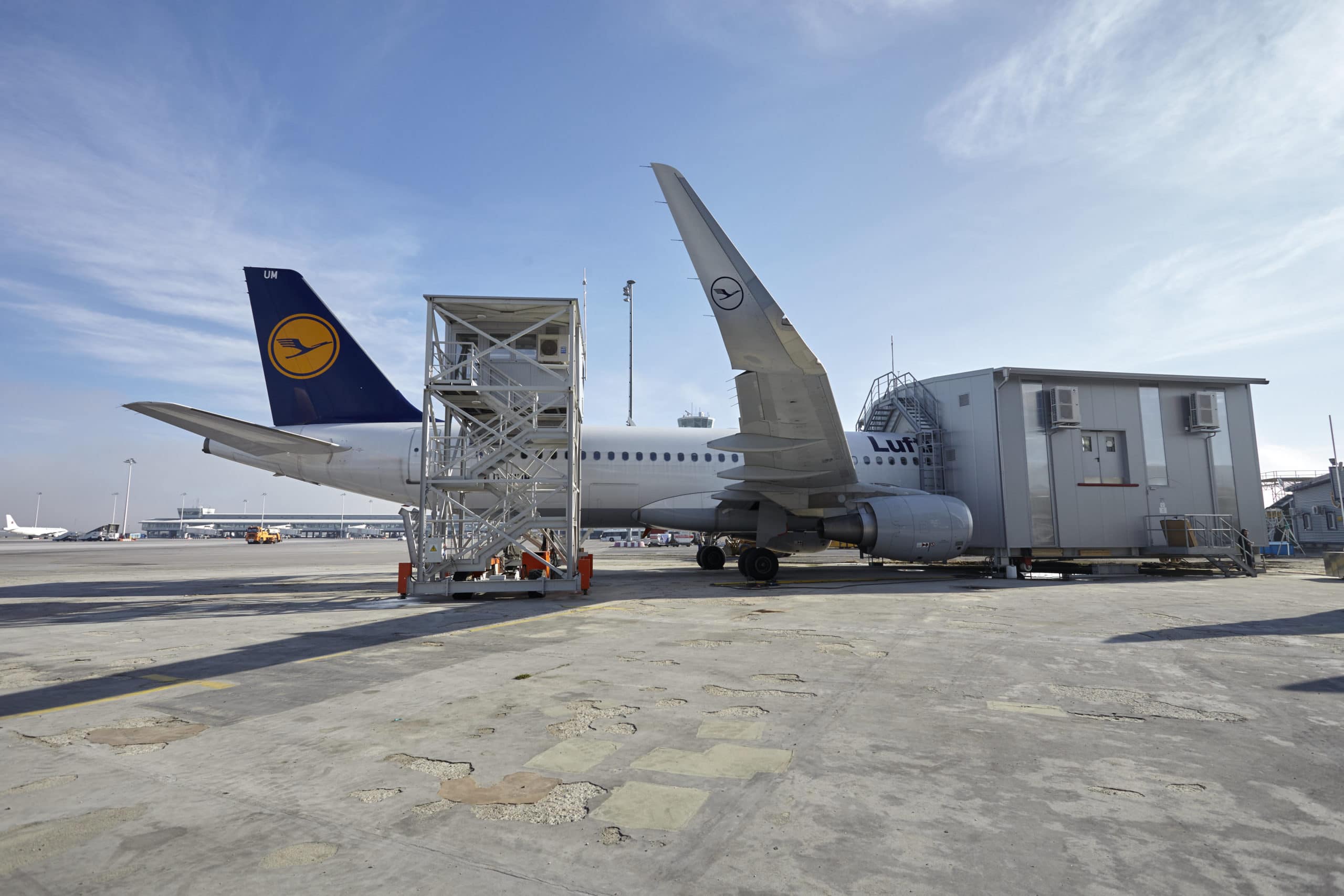
APEX Insight: A purpose-built structure at Lufthansa Technik Sofia’s recently expanded facility at Sofia Airport grants FlyNet in-flight connectivity engineers access only to the zones that are needed, speeding up and simplifying the installation process.
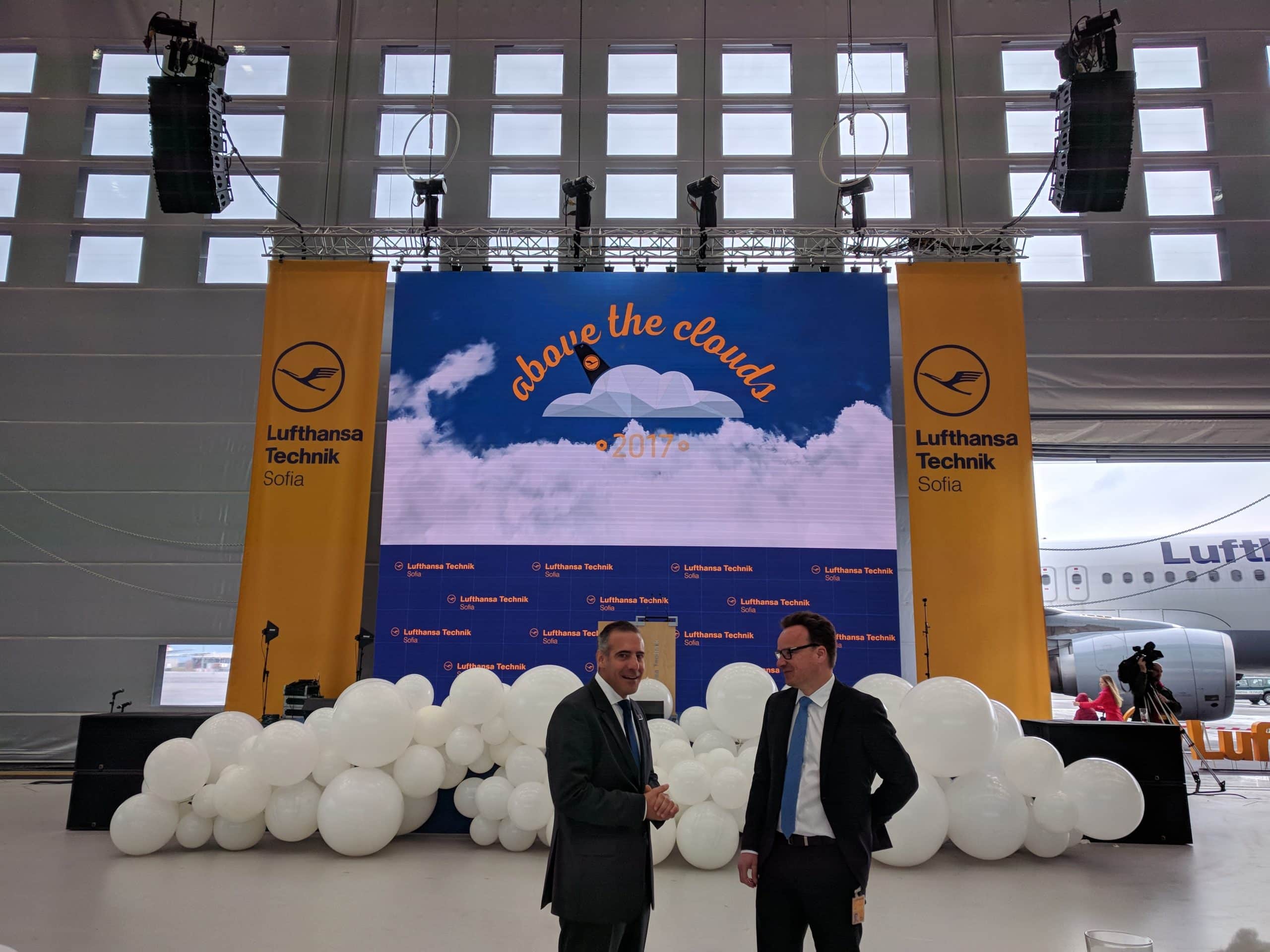
Lufthansa Technik Sofia (LTSF) celebrated its ninth birthday this weekend, with the official opening of a new hangar and office building at Sofia Airport, making it Lufthansa Technik’s (LHT) largest base maintenance location in Europe.
Despite its growing size, LTSF remains efficient. The company – a joint venture between LHT and Bulgarian Airways Group, which owns a 24.9% stake – has taken a LEAN approach to operations since opening in 2008.
To this end, LTSF has developed an innovative approach to installing Honeywell Aerospace’s JetWave hardware on Lufthansa Group aircraft. Daniel Hoffmann, CEO of LTSF, explained, “Our business is driven by the sale of man-hours, and the work density determines the success of the company. This modification is a nice add-on, but it wouldn’t be good business to block our infrastructure for a whole day.”
.@LHTechnik Sofia's new hangar is 28m high, meaning it can now cater to @Airbus #A380 aircraft (tail out, that is…) #AvGeek pic.twitter.com/r2DsxzcUy3
— APEX (@theAPEXassoc) October 27, 2017
That’s why LTSF enlisted the same people who designed the new hangar to develop a standalone modification line for the installation of Lufthansa’s FlyNet in-flight connectivity (IFC) offering. Away from the hangar, a purpose-built structure grants engineers access only to the zones that are needed, as required by EASA regulations.
Positioned around the aft area of the aircraft, on top of the fuselage, as well as around the avionics system and the cockpit at the front of the plane, the structure simplifies the installation process. Removing six rivets enables a cut-out on the fuselage skin, where the antenna is placed from a pre-mounted position on LTSF’s structure. Once a radome is installed on top, the original six rivets are re-instated.
In October 2015, the Lufthansa Group announced plans to equip its aircraft with Inmarsat’s GX Aviation. LTSF has been carrying out the work on all aircraft coming in for base maintenance, up to a C check, since March 2017. Dealing with an average of six aircraft per month, the company has equipped over 40 aircraft with the IFC solution so far, and will continue to do so back-to-back until summer 2018.
Since the installation area is free from any disturbances, LTSF had managed to reduce the initial six-day turnaround period to five days by the third check. Today, the installation takes four days including testing, with Hoffman claiming, “It’s not yet sustainable, but three days is manageable with a day and night shift to do the full modification and full functional checks of the systems.”
As if a 50% time-saving isn’t enough, Lufthansa Technik’s German LEAN team will visit in the next few weeks to look at elements which can be further accelerated, with the aim of reaching a two-day turnaround.
According to LTSF’s facility development manager Bernhard Lindorfer, investment in the structure is very minor compared to the revenue it creates (an extra 250 man-hours per day), seeing as building is cheaper in Bulgaria than in Germany or Ireland, for example.
The company is soon to begin offering line and base maintenance for the Airbus A320neo – Lufthansa was its launch customer and took delivery in early 2016