


Making Air Travel Accessible to Pax with Autism

Share
APEX Insight: In light of Autism Awareness Month, APEX Media explores recent initiatives by Delta Air Lines, jetBlue, Manchester Airport and Newcastle Airport that make air travel more accessible for travelers affected by an autism spectrum disorder.
As advocacy for disability rights powers on, so does the aviation industry in its attempts to make air travel universally accessible. Unfortunately, less immediately noticeable disabilities, like autism, tend to fall by the wayside when it comes to gaining the attention and support they deserve. Those affected by the condition frequently feel overwhelmed by the abundance of external stimuli – colors, noises, crowds and voices – found in the airport setting. The following organizations, airlines and airports are helping to facilitate the air travel experience for those affected by autism.
De-Stress With Delta

Delta, in partnership with Hartsfield-Jackson Atlanta International Airport and autism advocacy groups Autism Speaks and The Arc, launched the airport’s first multisensory room to provide autistic customers with a respite from the overstimulation of the airport environment. The room contains a mini ball pit, a bubbling water sculpture, a tactile activity panel and other calm-inducing features. Before cutting the ribbon on April 12, Jon Edwards, managing director of Airport Customer Service, said, “Today Delta follows through with a commitment we made a year ago to ensure our customers traveling with children on the autism spectrum can experience the airport in a comfortable environment.”
JetBlue Broadens Horizons
In collaboration with Autism Speaks, jetBlue has welcomed hundreds of families with its airport rehearsal initiative Blue Horizon. The carrier is also paving the way when it comes to implementing service standards for passengers with autism. JetBlue offers silent boarding, giving passengers plenty of time to settle into the aircraft, and priority seating, with extra space for people with disabilities at no extra charge. Its staff has been commended by parents for going above and beyond to accommodate children with autism: “Thank you from an already overwhelmed, tired, fighting for her son every day of her life, momma. Thank you on behalf of an eleven-year-old boy who struggles to cope in a world that just doesn’t understand or easily accommodate him,” said one mother in an open letter to the carrier.
Manchester Airport Raises Awareness
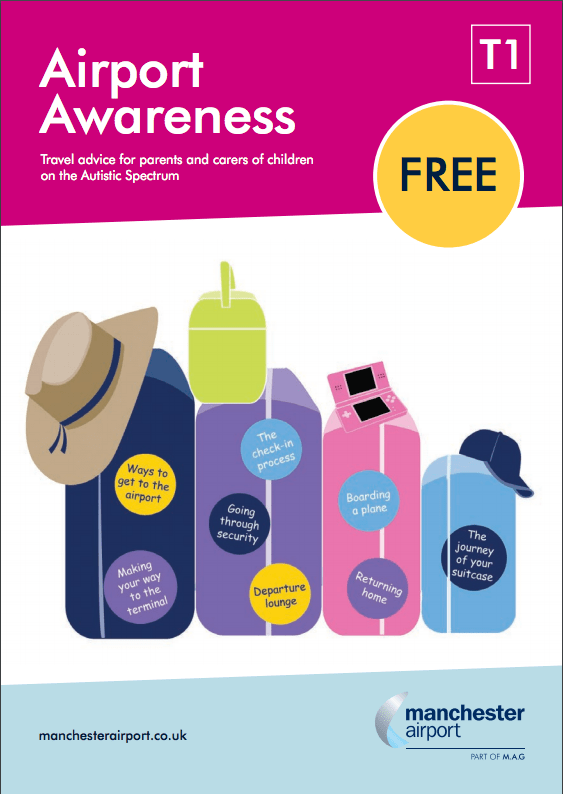
With Manchester Airports’ Airport Awareness Program, children with autism are provided with a wristband to wear on the day of travel, alerting airport officials that they are eligible for fast tracking through security. Familiescan also consult Airport Awareness booklets and accompanying videos for Terminals 1, 2 and 3, which, according to an airport spokesperson, “allow parents to plan their journey with their child, helping them to understand what to expect when they arrive at, travel through and return to Manchester Airport.”
Newcastle Airport Charts New Ground
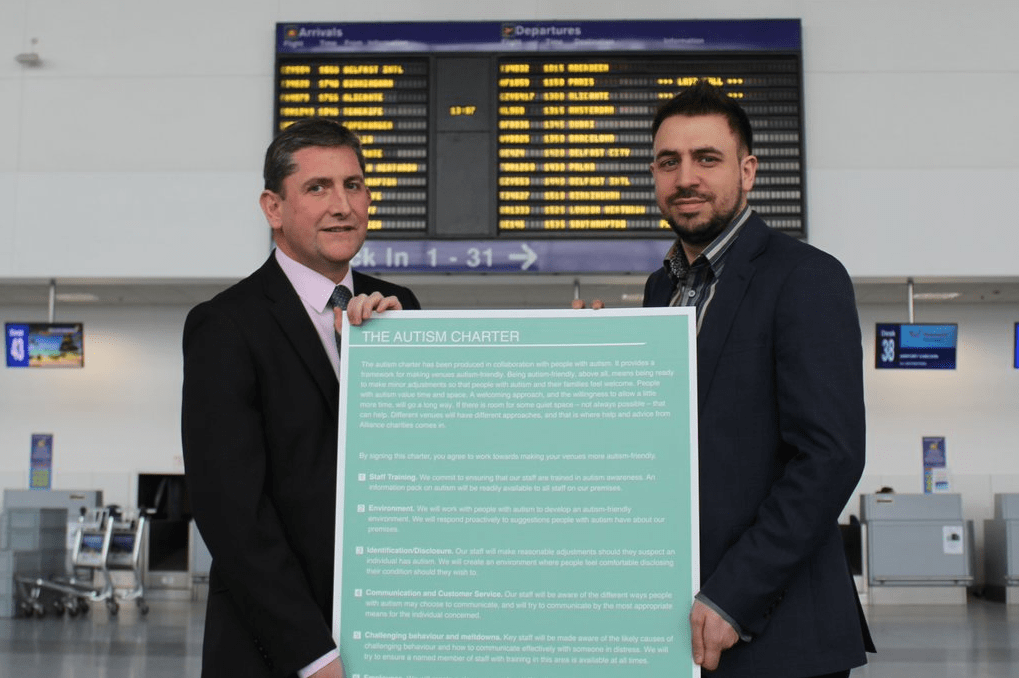
Newcastle International Airport has officially signed the Autism Charter, a document produced by individuals with autism, which aims to show businesses and organizations that minor changes can result in big improvements. The airport’s passenger assistance personnel has been trained by the North East Autism Society (NEAS) to learn how they can meet the needs of customers with the disorder. Airport chief executive David Laws said, “We are delighted to be able to partner with the NEAS to make the small changes that will have a big impact on people with autism.”
Taking Flight With Wings for Autism
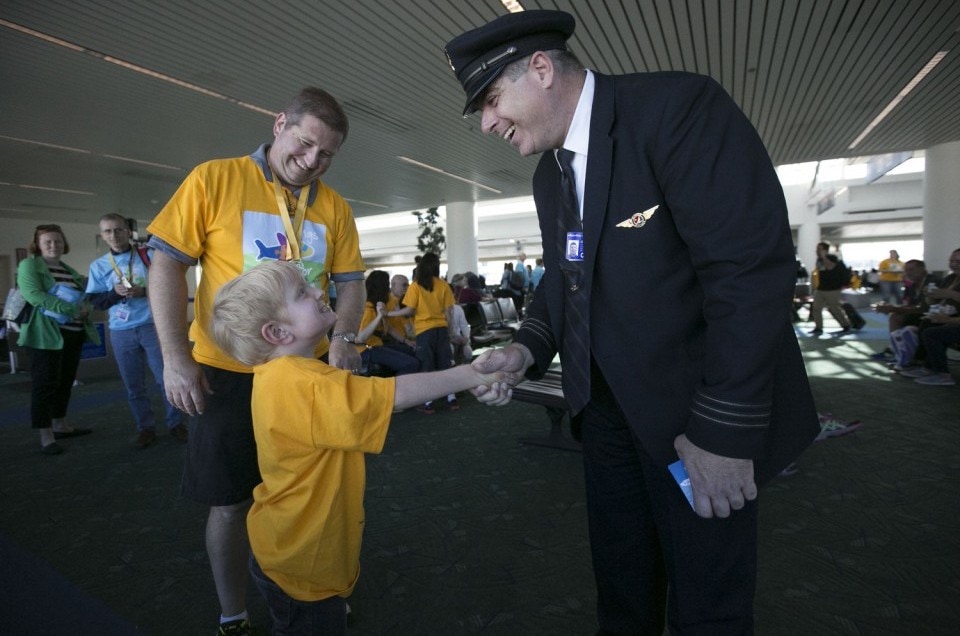
Wings for Autism is an airport “rehearsal” program designed to acclimate individuals with autism to the bustling airport environment. The program provides individuals with the opportunity to practice entering the airport, obtaining boarding passes, going through security and boarding a plane. The trials, which are held in partnership with different airlines and US airports on an ongoing basis, also benefit airport and airline employees, who are given a safe space to develop the skills needed to better support costumers with autism. In an open letter to the organization, a mother wrote, “[T]his experience with Wings For Autism gave us something we normally could never obtain … all I can say is thank you, and I hope it is a program that can be repeated so more families can benefit like we did.”
Have you created an initiative that is making air travel accessible for passengers with autism? Tell us about it: editor@apex.aero