


Korean Air, Hanjin Group Airlines Select Starlink for Fleetwide In-Flight Wi-Fi

Share
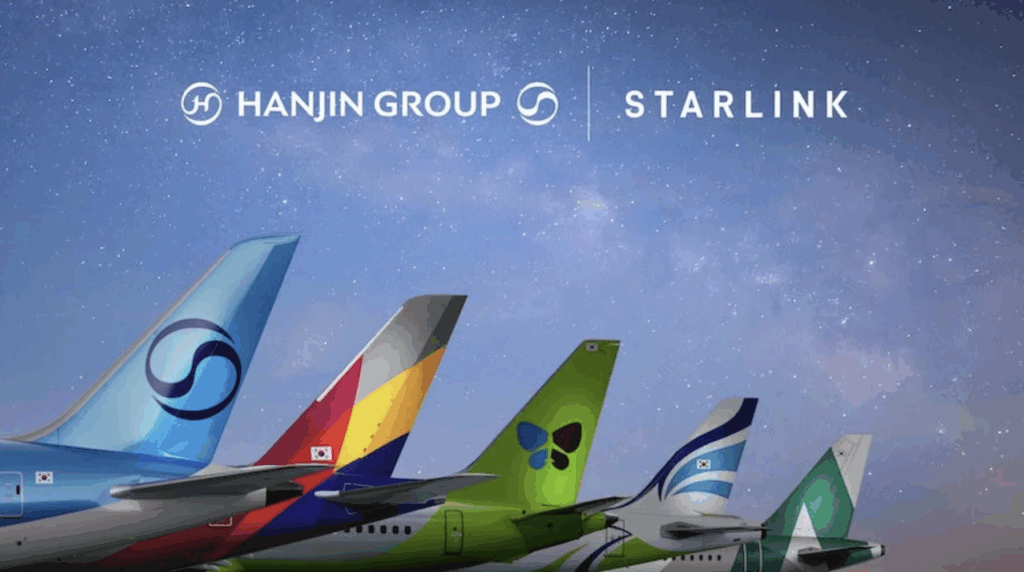
Korean Air and its sister airlines under the Hanjin Group – Asiana Airlines, Jin Air, Air Busan, and Air Seoul – have announced plans to deploy Starlink-powered in-flight connectivity (IFC) across their fleets. The move reflects a major investment in onboard digital infrastructure as the group prepares for deeper operational integration. Installation preparation and testing will begin later this year, with the earliest entry into passenger service expected as early as the third quarter of 2026.
Connectivity Becomes Core Infrastructure for Hanjin Group
The partnership will bring Starlink’s high-speed, low-latency satellite connectivity to Korean Air and the wider Hanjin Group fleets, marking a critical step in how the airlines approach IFC. Rather than treating in-flight Wi-Fi as an afterthought, the group is positioning it as a core part of the customer experience across brands and aircraft types.
“We are committed to upgrading our services and infrastructure to deliver an elevated passenger journey.”
– Korean Air
All five airlines will begin installation preparation and testing later this year, with rollout timelines varying across the group. Korean Air and Asiana Airlines will lead the deployment by prioritizing Starlink installation on their long-haul Boeing 777-300ER and Airbus A350-900 aircraft. The two wide-bodies fly the group’s longest routes and carry many business, premium, and long-haul leisure passengers who place greater value on reliable connectivity.
Following regulatory approvals and once key integration steps related to the Korean Air and Asiana Airlines merger are completed, the former plans to complete Starlink installation across the combined mainline fleet by the end of 2027.
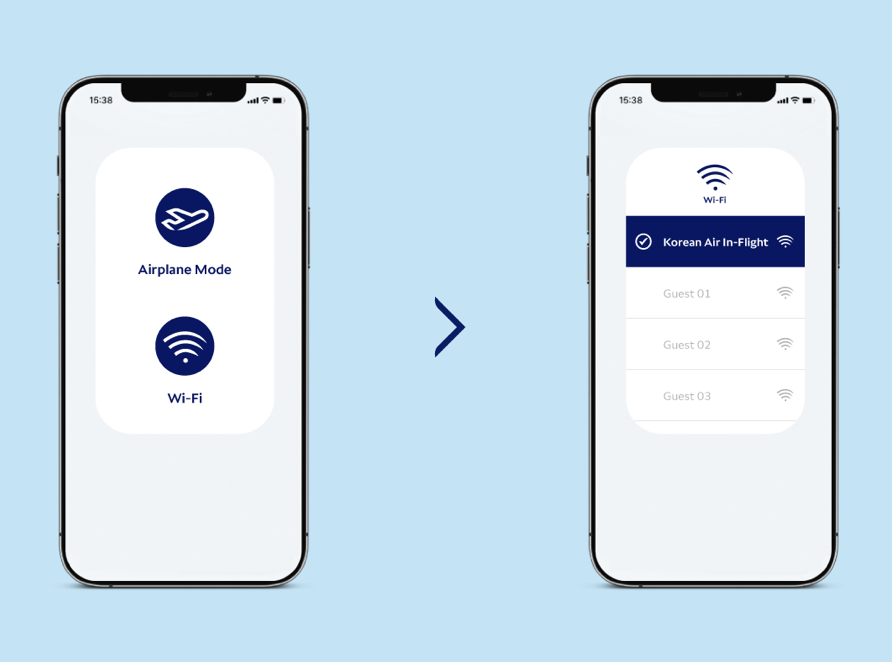
Among the Hanjin Group’s low-cost carriers, Jin Air will begin by equipping its Boeing 737-8 aircraft, while Air Busan and Air Seoul will soon review their fleets to determine installation priorities based on aircraft age, route networks, and retrofit feasibility.
Once active, the service will support streaming, online gaming, video calls, messaging, and other real-time digital activity with the same reliability travelers increasingly expect on the ground.
“Connectivity is an essential part of the travel experience, and with Starlink, our customers will stay connected with fast and seamless internet,” said a Korean Air representative. “As Korea’s flag carrier and a leading global airline, we are committed to upgrading our services and infrastructure to deliver an elevated passenger journey as we strive to become the world’s most loved airline.”
A Growing Airline Shift Toward Starlink Connectivity
The Hanjin Group’s decision to adopt Starlink follows a wider shift across the global airline industry as carriers accelerate investment in next-generation connectivity. Starlink continues to gain momentum as more airlines reassess their in-flight internet strategies and move toward low-Earth orbit (LEO) solutions designed to scale over time. Among others, airlines including United Airlines, Air New Zealand, Qatar Airways and Air France have announced plans to install the service.
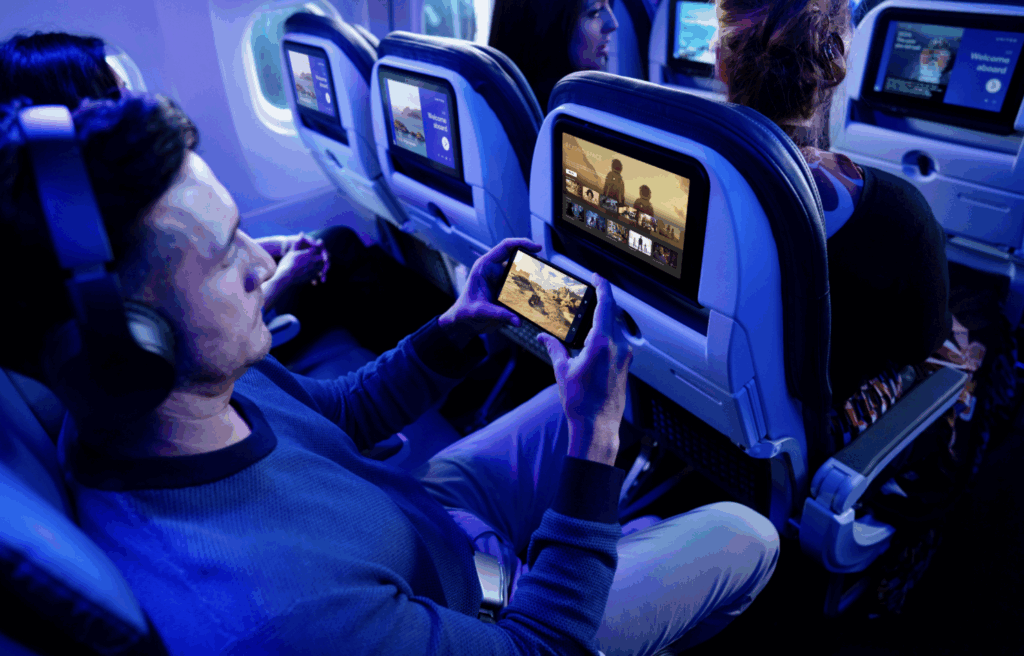
Most recently, at the 2025 Dubai Airshow, Emirates and flydubai announced plans to adopt Starlink Wi-Fi across their fleets, reinforcing the industry’s broader move toward low-Earth orbit connectivity.
As in-flight Wi-Fi has become a standard expectation rather than a premium extra, airlines increasingly view connectivity as an essential part of their onboard product. Starlink’s ability to deliver fast, low-latency, gate-to-gate internet has made it an attractive option for carriers seeking to offer a more seamless, ground-like digital experience in the air.