


APEX FTE EXPO 2026: Panasonic Avionics Turns the Seatback Into a Third Digital Channel

Share
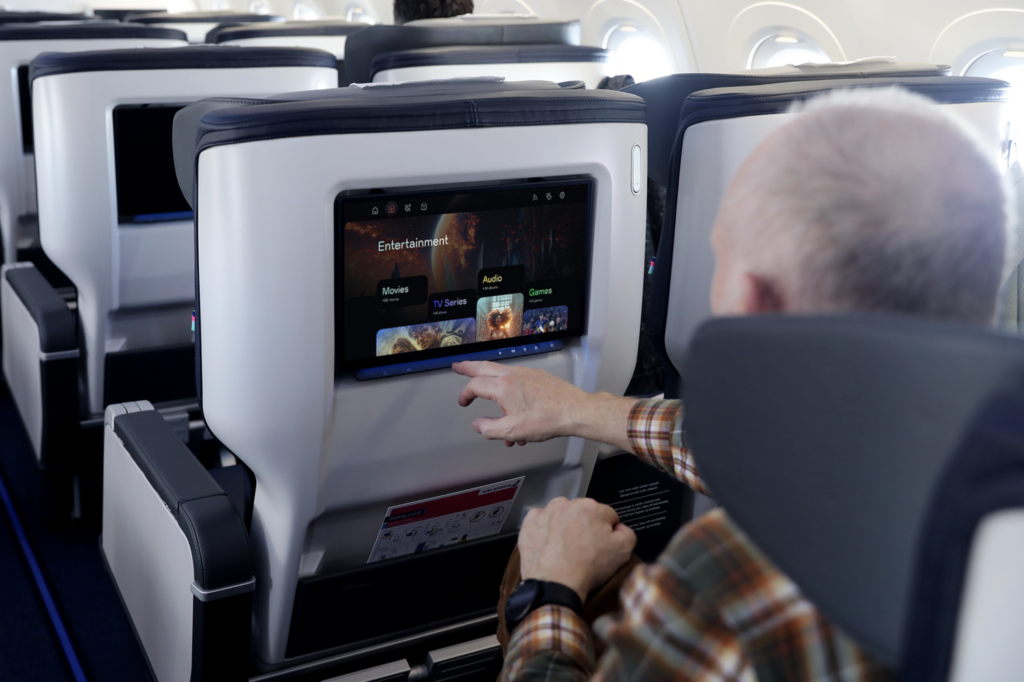
A passenger might spend 10 minutes booking a flight online and three minutes checking in through an app, but they could spend between 90 and 600 minutes in front of a seatback screen. At APEX FTE EXPO in Singapore, Panasonic Avionics will show how airlines can use that time to bring loyalty, real-time flight information, commerce, AI, and other digital services into the cabin. Panasonic Avionics SVP Product & Strategy Andy Masson said the company wants to connect its inflight systems, connectivity, digital solutions, and technical services while giving airlines more control over the onboard experience.
Turning Screen Time Into a Digital Channel
Panasonic sees the connected seatback as a major change from traditional IFE. Instead of mainly showing entertainment loaded before departure, the screen can connect passengers with loyalty benefits, real-time flight information, shopping, and other services during the trip.
“The big difference is that traditional in-flight entertainment (IFE) was effectively a closed system,” Masson explained. “You loaded content onto it, the passenger watched it, and that was largely where the interaction ended.”
Panasonic wants airlines to use the connected screen as another digital channel alongside their websites and mobile apps. That gives carriers another way to reach passengers throughout the trip.
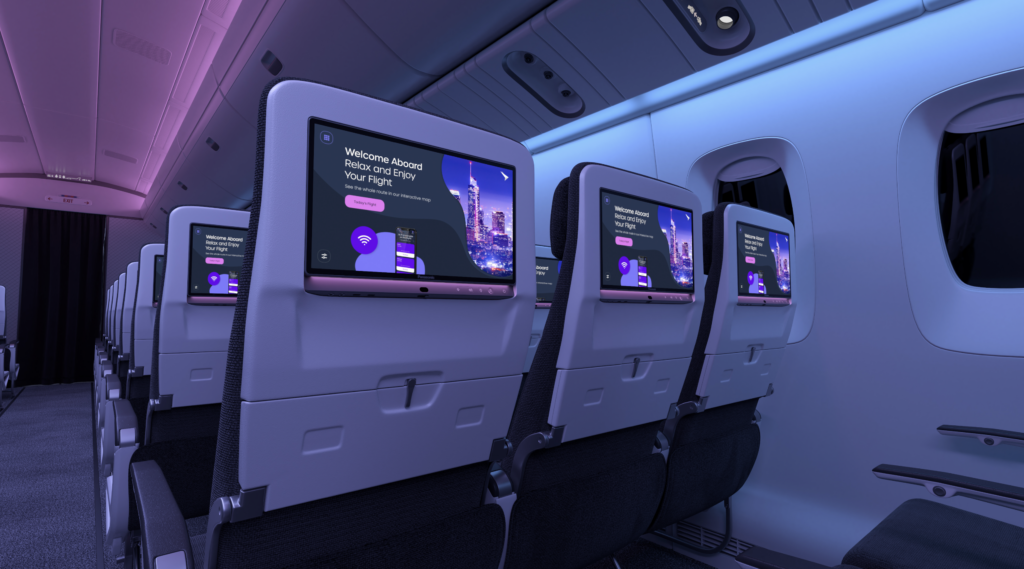
In Singapore, the company will highlight that strategy through Astrova and Modular Interactive. Astrova supports the experience at the seat, while Modular Interactive lets airlines change and personalize what passengers see more quickly.
Aircraft can remain in service 15 or 20 years while consumer technology changes much faster. Panasonic designed Astrova as a modular and upgradeable system, while Modular Interactive and Converix™ give airlines more control over software, applications, and the digital experience.
Airlines increasingly want the onboard channel to work more like their websites and mobile apps. They want to test new ideas, see how passengers respond, and make changes more quickly than traditional IFE systems have allowed.
Putting AI Behind Practical Passenger Needs
AI will play another major role in Panasonic’s Singapore showcase. The company is focusing on practical uses that can make the trip easier or help airlines operate more effectively.
An AI-enabled virtual attendant provides one example. A passenger could ask about a connecting flight, baggage status, hotel or car reservation, or get information and recommendations about their destination directly through the seatback.
Masson sees these types of uses as some of the first meaningful applications of AI onboard. They can help passengers get useful information when they need it.
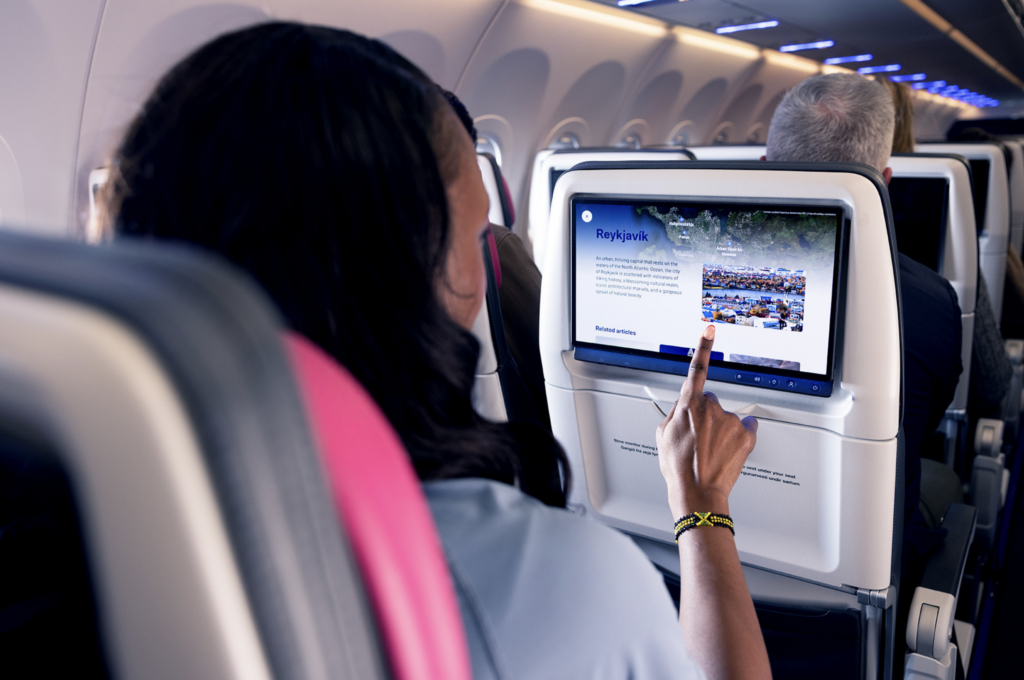
Personalization adds another layer. Two travelers sitting next to each other on the same flight may need completely different information.
A frequent flyer making a connection might want loyalty information, connection details, and services tied to the next part of the trip. A passenger ending the journey might care more about destination information, transportation, or relevant offers.
“The way I think about personalization is that the seatback should increasingly feel like your seatback rather than the exact same screen everybody else sees,” Masson said. Modular Interactive already lets airlines tailor the seatback by loyalty tier, route, cabin, or campaign, while AI could make it more responsive to each passenger and trip.
Converix™ adds another part of Panasonic’s AI strategy. The platform brings applications, aircraft data, and responsible AI together and can connect with more than 10,000 data points across the aircraft cabin.
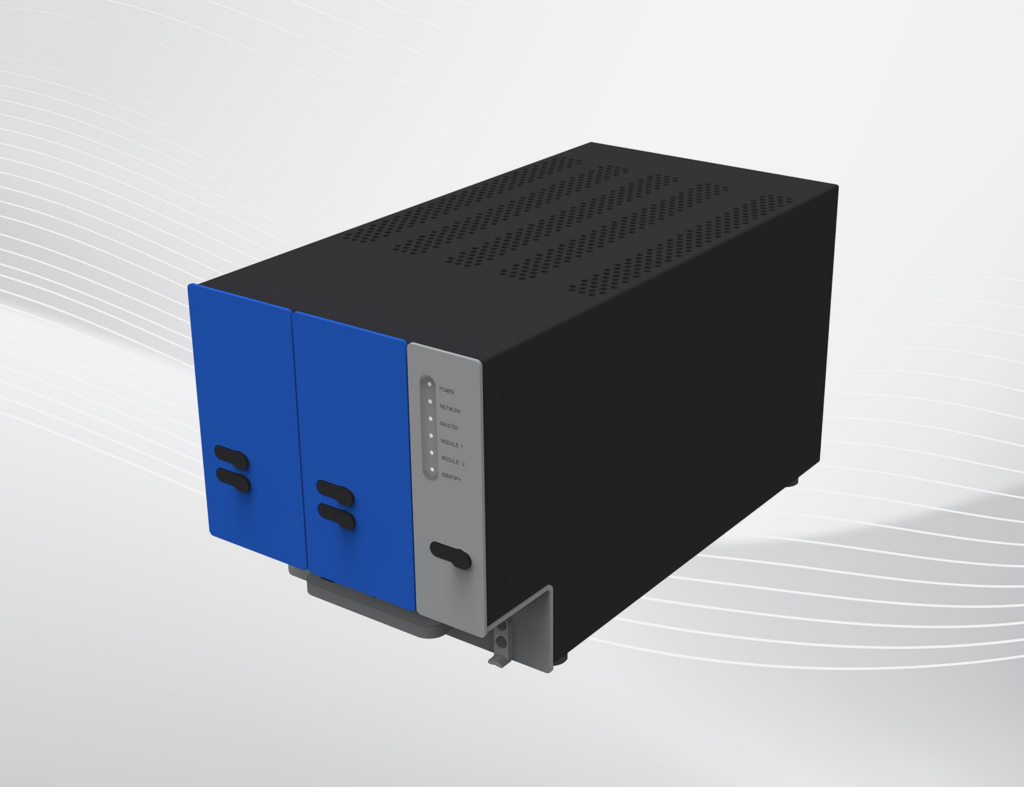
AI can help airline operations too. The technology can identify anomalies, support fault isolation, and help maintenance teams move toward a more proactive approach.
Panasonic Technical Services can use connected system data to support near-real-time aircraft health monitoring, remote diagnostics, and more targeted maintenance. That can help airlines spot problems earlier and respond more precisely.
Connecting Commerce, Connectivity, and Airline Operations
Connectivity ties Panasonic’s Singapore strategy together. A continuous connection with cloud-based services and airline systems can keep information current throughout the flight instead of relying only on what was loaded before departure.
Airlines can show real-time flight information at the seat and update retail or other services as the trip develops. AI can then surface information tied to that point in the journey, including connection details, baggage status, or destination services.
Panasonic is pursuing a multi-network LEO strategy that brings together networks including Eutelsat OneWeb and SpaceSail. Working with SpaceSail extends LEO connectivity over China and helps Panasonic build a broader global offering when combined with networks such as OneWeb.
Panasonic’s Marketplace platform expands the commercial side of that connected experience. Airlines can use it to offer food and beverage ordering, retail, duty-free, and destination-related services onboard.
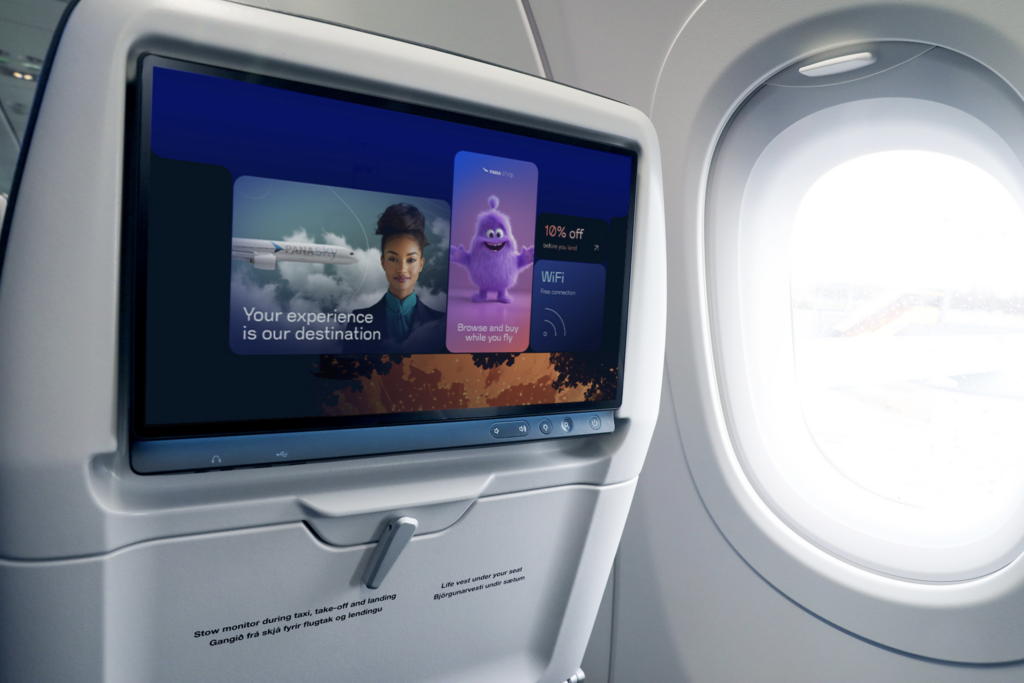
Loyalty information can make those services more relevant when passengers choose to identify themselves. An airline can recognize that relationship and show benefits, journey information, or services that make sense to that traveler.
Advertising could create another revenue opportunity. Panasonic believes richer data and a more relevant passenger experience could make targeted advertising worth up to 10 times traditional inflight media.
That opportunity comes with limits. Masson stressed that personalization only works when passengers trust the experience and that airlines should use passenger information only when it actually improves the journey.
“The point is not to personalize everything simply because you can,” Masson said. “It is about making it easier for the passenger to find what is actually relevant to them.”
Panasonic’s responsible AI approach focuses on transparency, governance, and airline control. Airlines decide how applications get deployed and how information gets used.
Panasonic Avionics will showcase Astrova, Modular Interactive, Converix™, and its connected seatback strategy at booth 705 during APEX FTE EXPO.