


APEX FTE EXPO 2026: RMT Global Partners Showcases Customized Onboard Solutions

Share
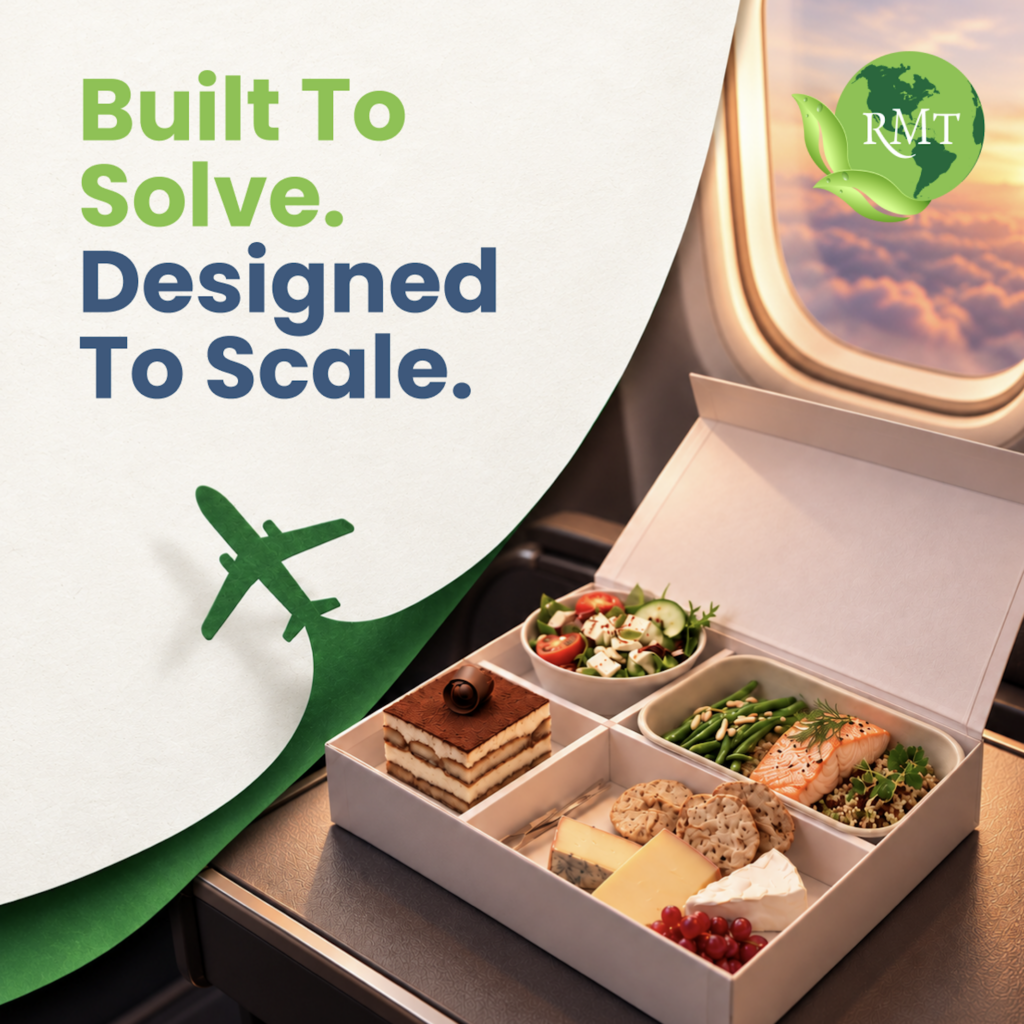
RMT Global Partners will use APEX FTE EXPO in Singapore to show how airlines can improve onboard products while managing cost, weight, sustainability, storage, and operational efficiency. The company works across dining essentials, serviceware, textiles, hygiene products, and food and beverage packaging, with a focus on developing products around each airline’s needs. RMT Director of Sales & Business Development Erick Ray said airlines increasingly look for products that can meet several goals at the same time.
Balancing the Onboard Experience
Airlines have to think about much more than how an onboard product looks. An item may need to fit the brand while meeting requirements around cost, weight, durability, storage, sustainability, and crew handling.
“That balance is really at the heart of onboard product development,” Ray said. “You can create a beautiful product, but if it is too heavy, takes up too much space, does not perform consistently, or creates additional complexity for the crew, it may not be the right solution.”
RMT looks at products from several perspectives, including the passenger using them, the crew handling them, the airline operating with them, and the commercial side of the decision. The company then works to balance design, functionality, operational efficiency, and cost.

Airlines are showing interest across all of RMT’s product categories as they look at the onboard experience more broadly. Carriers look for products that work well, meet cost goals, support sustainability efforts, reinforce the airline’s brand, and improve efficiency.
Those priorities shape what RMT develops next. Instead of starting with what it should manufacture, the company begins with the problem an airline wants to solve.
That could lead to new materials, different manufacturing methods, smarter packaging, or product designs that deliver several benefits at once. Airlines are trying to improve the passenger experience while managing cost, weight, sustainability, supply-chain reliability, storage, and operational efficiency.
Sustainability plays a growing role in those decisions. Airlines are looking for more responsible materials and packaging, but those products still need to function properly, fit the brand, and hold up during onboard service.
“Sustainability is no longer something that can be considered separately from performance and passenger experience,” Ray explained. RMT looks at different options based on the actual application and how the airline plans to use the product.
Possible changes include exploring alternative materials, reducing unnecessary weight or packaging, and redesigning an item to use resources more efficiently. For RMT, the goal is to find an option that makes sense environmentally, operationally, and commercially.
Starting With the Airline’s Needs
RMT’s development process usually starts with listening. Some airlines come with a specific product in mind, while others come with a problem they want the company to solve.
The team first looks at how the product will be used, what works today, what does not, and what matters most to the airline. From there, RMT considers materials, design, functionality, manufacturing capabilities, cost, and logistics. RMT supports that development approach through an established global manufacturing and sourcing network, allowing the team to identify the right materials, capabilities, and production solutions for each program.
Sampling and refinement usually follow before final approval and production. The process gives RMT and the airline time to adjust the product before moving forward.
“We don’t believe in trying to make an airline’s requirement fit an existing product,” Ray added. “Whenever possible, we work to develop the product around the airline’s needs.”
Airlines can customize materials, colors, dimensions, shapes, graphics, packaging, and functionality. Some changes are easy for passengers to see, while others help the product work better behind the scenes.

That flexibility matters as carriers look for products that feel specific to their brand. “Customization is a very important part of what we do,” Ray said. “Airlines increasingly want products that feel specific to their brand rather than generic products with a logo added at the end.”
RMT wants airlines to see more than individual products at the show. The company plans to highlight materials, designs, and concepts that can change based on an airline’s brand, service requirements, sustainability goals, and onboard operation.
Passengers interact with many of these products throughout a flight. A meal tray, cup, napkin, amenity, wipe, or piece of bedding may seem small on its own, but together those items help define how the airline’s service feels.
“The small details are often the things passengers interact with the most,” Ray said. Passengers may not think about every item individually, but they notice when the overall experience feels thoughtful, comfortable, coordinated, and consistent.
Even a simple onboard product can reinforce the airline’s brand and shape the impression passengers take away from the flight. For RMT, those smaller details give airlines another way to create a consistent onboard experience.
Learning From Airlines in Asia-Pacific
APEX FTE EXPO will give RMT a chance to build relationships with airlines across Asia-Pacific while showing products and materials from several onboard categories. The company plans to use its time in Singapore to learn directly from carriers and better understand how priorities differ across the region.
“One of the reasons we are excited to be in Singapore is the opportunity to listen and learn directly from airlines across the Asia-Pacific region,” Ray explained. “Every market and every airline has its own priorities, and we don’t believe in approaching them with a one-size-fits-all solution.”
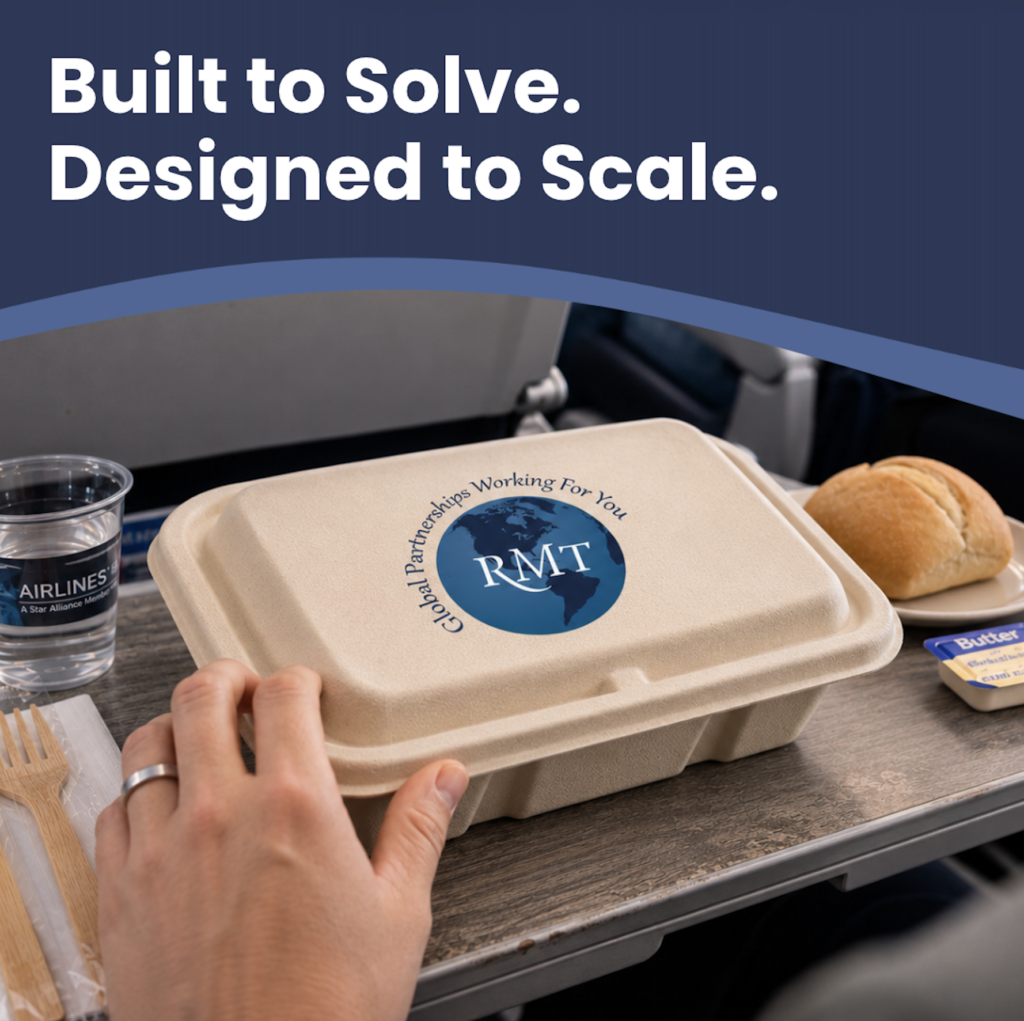
Those discussions can cover an airline’s service model, operational requirements, passenger expectations, and brand. RMT can then use what it learns to explore materials, designs, and products that fit the carrier’s operation.
Building those relationships and understanding the needs of airlines throughout Asia-Pacific will remain a major focus during the show. RMT does not want to assume that every carrier or market needs the same solution.
Visitors will be able to see and interact with products and materials across several onboard categories while learning more about RMT’s approach to customization and product development. The company hopes attendees will bring their own ideas and challenges into those discussions.
Some opportunities may begin with something an airline wants to change, improve, or create. That conversation can then give RMT a starting point for a new product or idea.
“For us, APEX FTE EXPO is not simply about displaying products,” Ray noted. “It is about meeting with airlines, understanding what they need next, and beginning conversations that can ultimately turn into new solutions.”
RMT Global Partners will showcase its customized onboard products and materials at booth 817 during APEX FTE EXPO, highlighting how airlines can balance design, sustainability, cost, and operational needs across the cabin.