


Panasonic Avionics’ Astrova Reaches 100 Airline Programs Worldwide

Share
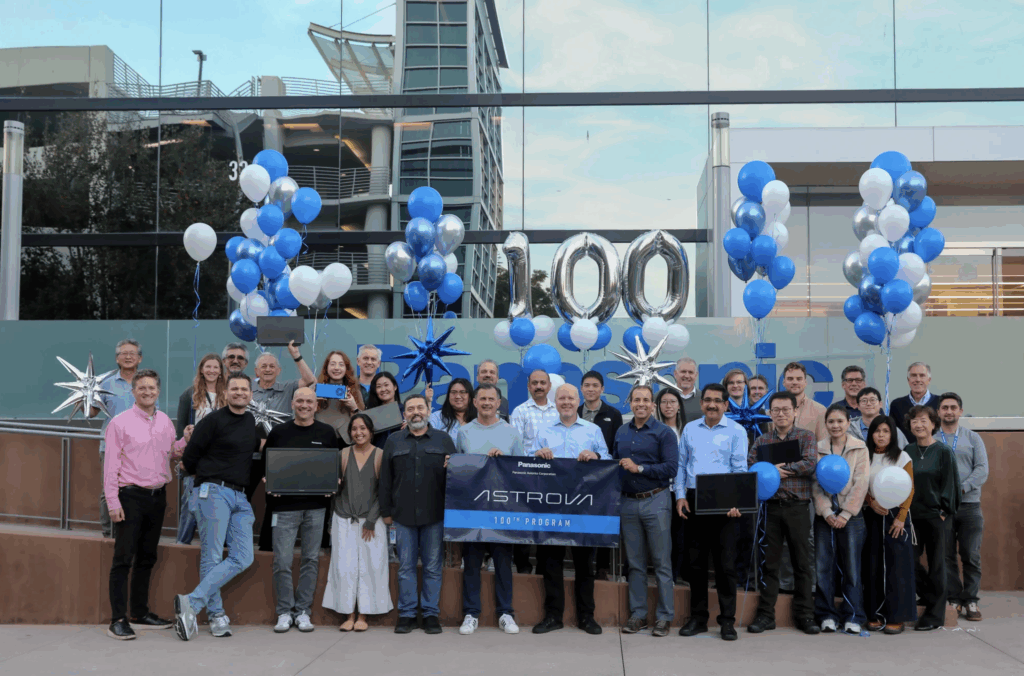
Panasonic Avionics has hit a major milestone with Astrova, its latest in-flight entertainment (IFE) platform, now selected by more than 100 airline programs worldwide. Reaching that level of adoption just three years after launch makes Astrova the fastest growing IFE system in the company’s history. The platform’s momentum highlights how airlines are rethinking the role of seatback screens as part of a broader digital passenger experience.
Reimagining IFE Through Astrova
First introduced at Aircraft Interiors Expo (AIX) in 2022, Astrova was designed to challenge traditional assumptions about in-flight entertainment. Instead of treating the seatback screen as just a way to deliver content, Panasonic Avionics envisaged Astrova as a platform for interaction and personalization as well as a way for airlines to tell stories about their brands.
“Our goal was to create an environment that is an extension of a person’s relationship with the airline.”
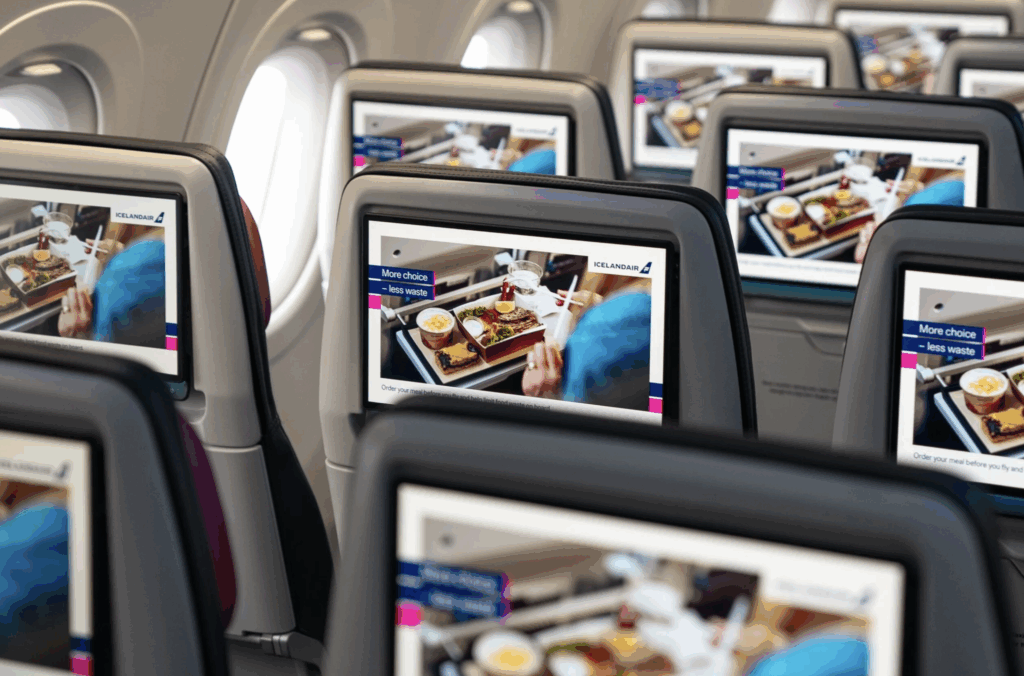
This approach has resonated across the aviation industry. Panasonic Avionics announced that more than 30 airlines have selected Astrova, covering a total of 100 individual programs, making it the fastest adopted IFE system the company has ever introduced. Carriers selecting Astrova represent every major region, with customers including Air Canada, Air India, Egypt Air, Emirates, Ethiopian Airlines, EVA Air, flydubai, Icelandair, Japan Airlines, Qantas, Qatar Airways, Riyadh Air, Saudia, Turkish Airlines, and United Airlines.
Its wide array of airline customers highlights Astrova’s relevance across different business models, from established full service carriers to newer, fast-growing airlines. It also reflects a shared challenge airlines face across markets: delivering a modern in-flight experience that keeps pace with rapidly evolving consumer technology expectations.
Panasonic Avionics SVP Products and Strategy Andy Masson said Astrova was conceived with the explicit goal of reshaping in-flight engagement. “Our goal was to create an environment that is an extension of a person’s relationship with the airline, one that created unique, personalized experiences defined by passenger engagement and loyalty, and not merely movies streamed or TV shows watched,” he explained. “The system needed to transcend the traditional role of IFE devices, harness innovation, and deliver unparalleled value for passengers and airlines alike.”
Meeting Modern Expectations for Power and Performance
On the hardware side, Astrova offers a distinctively immersive seat-end experience. The system features high resolution 4K OLED HDR10+ displays that deliver deep contrast, rich blacks, and cinema level picture quality. Paired with premium audio and Panasonic Avionics’ latest Bluetooth capability, Astrova supports a fully wireless headphone experience without compromising sound quality.
Power delivery is another key differentiator. Astrova supports up to 100 watts of USB-C power at every seat, enabling passengers to charge their phones, tablets, and laptops throughout the flight. This reflects rising expectations that onboard power should match what travelers rely on at home or in the workplace, especially on long-haul routes.
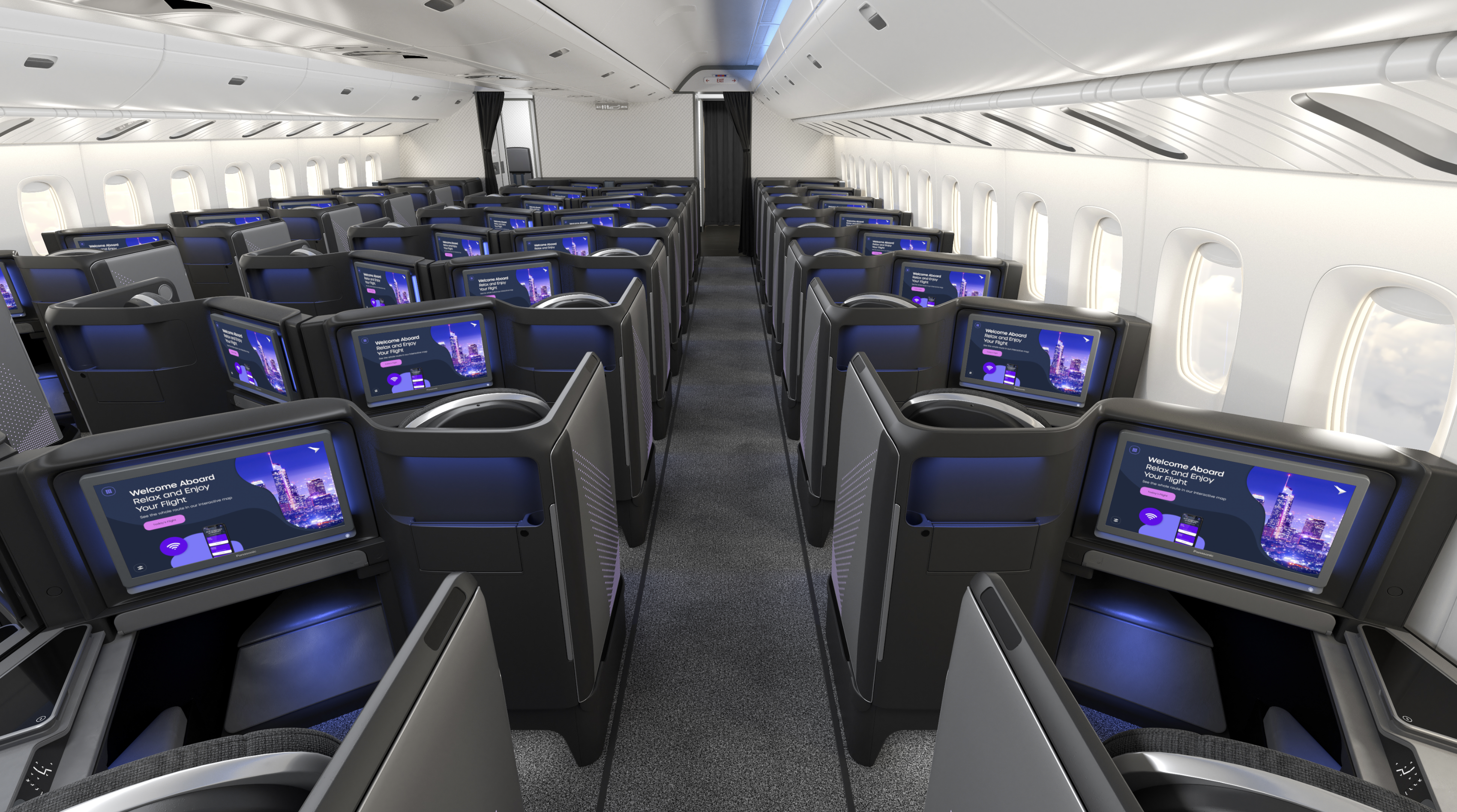
The platform also includes programmable LED lighting at the seat, giving airlines flexibility to adjust the environment based on different phases of flight or brand preferences. When coordinated with content and connectivity, the lighting helps create a more consistent and responsive cabin experience.
Astrova’s technical design prioritizes longevity and adaptability. Its open, modular architecture allows airlines to upgrade screens, seat boxes, and peripheral components instead of replacing the entire system. By separating software innovation from fixed hardware limits, it gives airlines the ability to introduce new applications, personalization features, and digital services over time, keeping the onboard experience aligned with evolving passenger expectations.
“Astrova can foster deeper connections with passengers through bespoke experiences, not bespoke hardware.”
Astrova: A Platform for Digital Engagement
“When combined with high-speed, low-latency connectivity, Panasonic Avionics’ digital apps and services, and each airline’s unique offerings, Astrova can foster deeper connections with passengers through bespoke experiences, not bespoke hardware,” Masson continued.
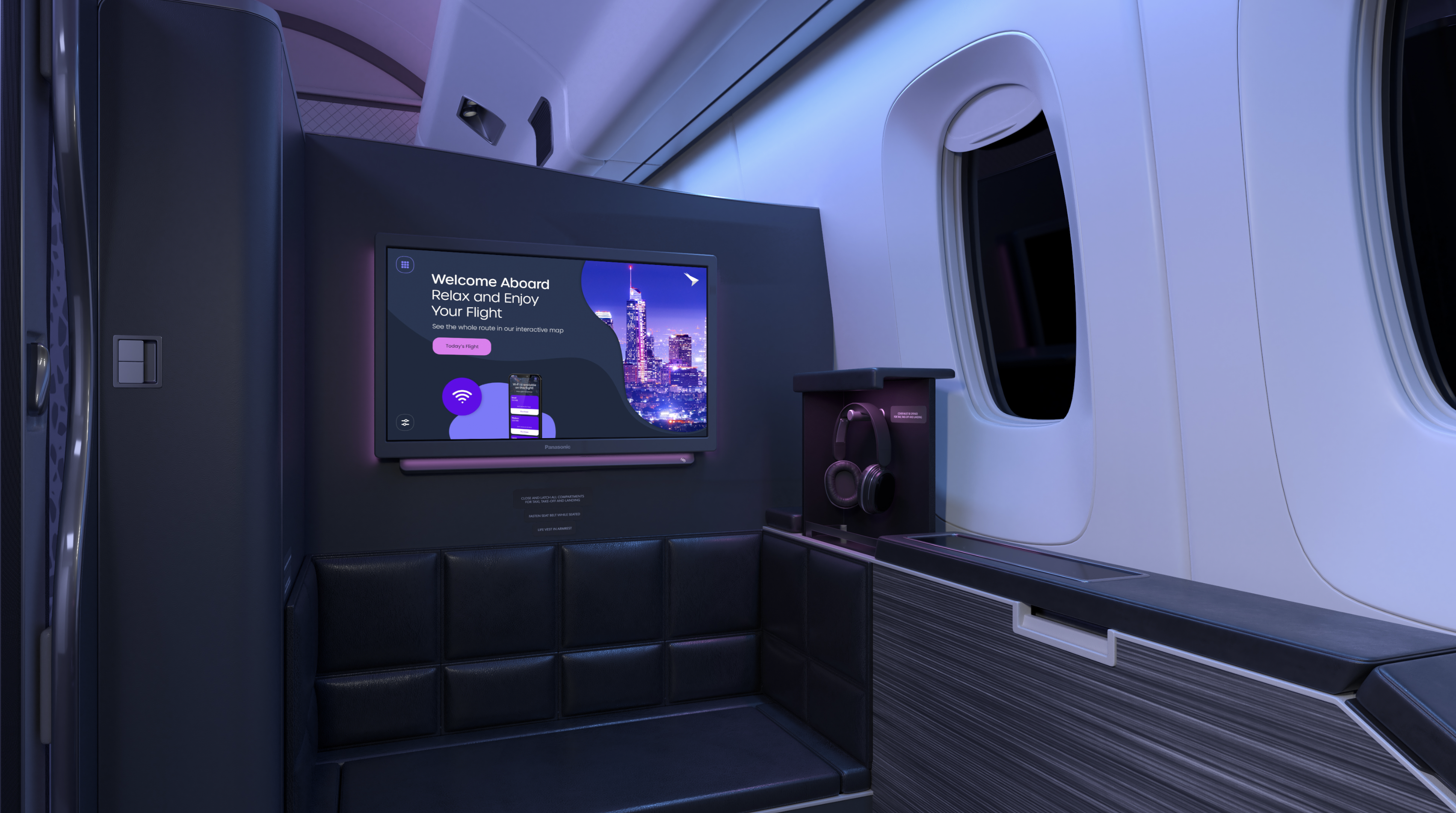
These capabilities enable personalized content recommendations, branded experiences, interactive services, and loyalty-driven engagement. The platform also opens the door to new commercial opportunities onboard, including branded marketplaces, gaming, and interactive tools that extend beyond traditional entertainment.
As connectivity becomes more reliable, the seatback screen increasingly serves as a gateway into the airline’s wider digital ecosystem. That flexibility gives airlines greater room to differentiate in a competitive market. Rather than relying solely on seat hardware, carriers can use Astrova to express brand identity, strengthen loyalty, and deliver consistent digital experiences across fleets and routes.