


ZIM Aircraft Seating Group Named Crystal Cabin Award Finalist for Sustainable Premium Economy Seat “The Frame”
Share
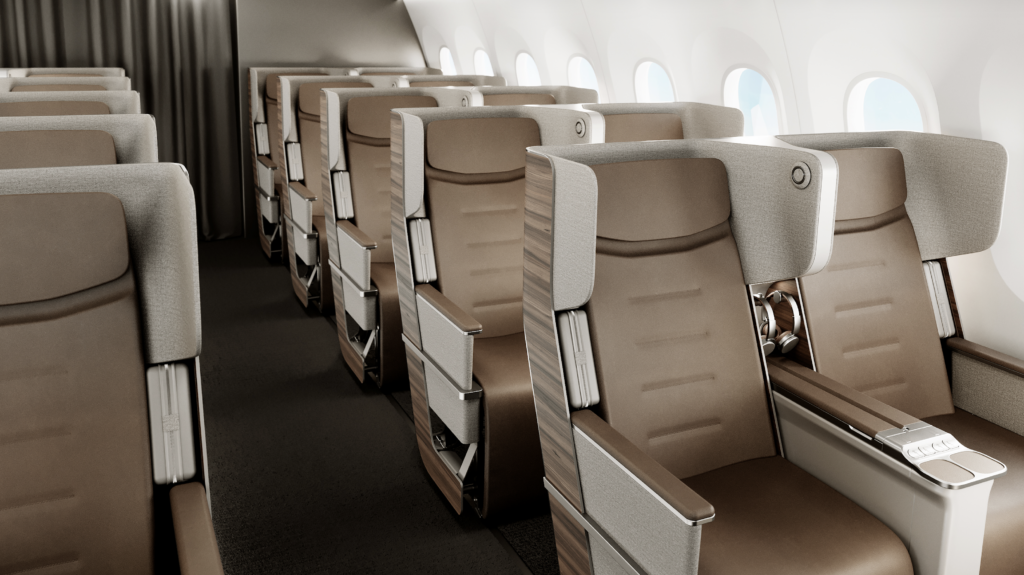
ZIM Aircraft Seating Group has been named a finalist for the 2026 Crystal Cabin Award in the Sustainable Cabin category for its new Premium Economy seat, The Frame. The design uses modular, repairable components, including wooden materials, to reduce environmental impact while improving durability, maintenance, and passenger comfort. Instead of relying on traditional fixed structures, ZIM has built the seat for long-term use and easier repairs, showing how airlines can balance sustainability with real operational needs.
A Lighter, More Sustainable Approach to Seat Design
ZIM’s finalist entry focuses on reducing weight and environmental impact through material and design choices. The Frame seat is 17 pounds (eight kilograms) lighter, about 15 percent less than comparable Premium Economy models. This reduction directly translates into lower fuel burn and reduced emissions over time.
“One aircraft with 35 Premium Economy seats traveling 1.8 million kilometers per year can save approximately 151 tons of fuel and 477 tons of CO2 emissions,” said ZIM Aircraft Seating Group CEO Raffael Rogg. “These are meaningful sustainability gains achieved without sacrificing comfort or durability.”
To achieve this, ZIM reduced its reliance on plastic and introduced more sustainable materials, most notably a laminated beech wood frame that gives the seat its name and serves as a key structural component. The wood is renewable, durable, easy to repair, and fully recyclable, supporting both environmental goals and long-term use.
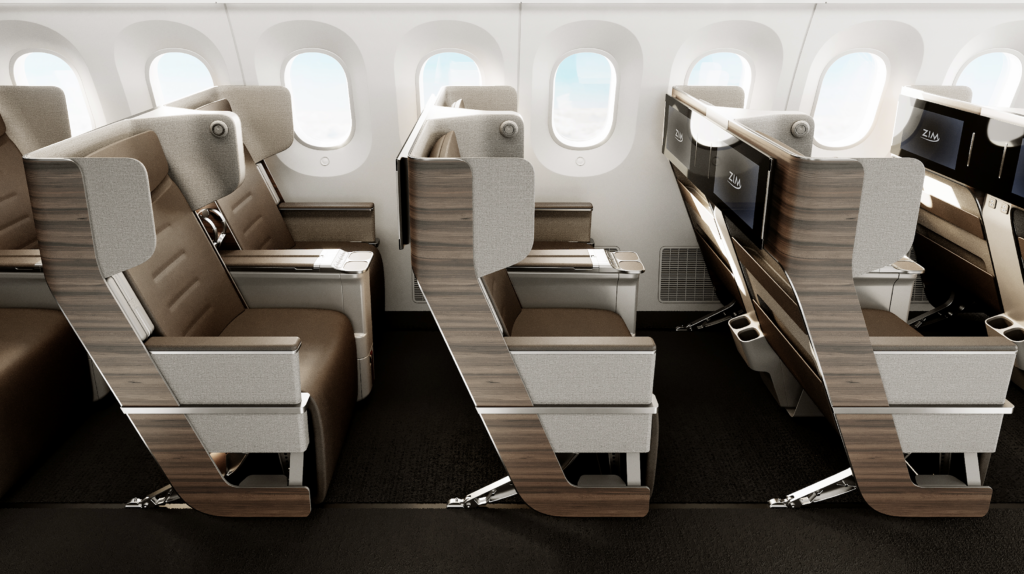
“Laminated beech wood is a renewable material that is particularly durable, easy to repair, and fully recyclable,” said ZIM Aircraft Seating Group Head of Research & Development Albert Bopp. “Scratch-resistant finishes retain a high-end look even under heavy use and cleaning, while repairable panels further extend lifespan and minimize refurbishment waste.”
The product’s lifecycle is also a big part of its environmental impact. When the seats reach the end of their use, ZIM either refurbishes them for continued service or reuses the wooden parts in furniture, helping reduce waste and extend the life of the materials beyond aviation.
Built for Airline Efficiency and Operational Flexibility
The Frame is designed to meet the operational realities airlines face, including compressed timelines, supply chain instability, and increasing sustainability requirements.
Molded wood components allow for easier assembly with fewer tools, helping streamline installation and reduce complexity. By limiting reliance on synthetic materials, the design supports shorter lead times and more predictable sourcing, helping airlines better manage supply chain challenges.
Durability is another key factor. The seat is built to handle frequent use and cleaning, so it wears down less over time. This reduces the need for repairs, maintenance, and part replacements, helping airlines manage costs and keep aircraft in service.
Another defining feature is its modular design. Individual components can be replaced, upgraded, or refreshed without replacing the entire seat. This makes updates faster, reduces downtime, and extends the lifecycle of the product. It also allows airlines to adapt cabins more easily through redesigns and mid-life refreshes while maintaining consistent performance and appearance.
Delivering Comfort Without Compromise
ZIM makes it clear that sustainability and passenger comfort must go hand in hand, especially in Premium Economy where expectations keep getting higher. The goal is to improve environmental performance without taking away from the overall passenger experience.
“It is important that sustainability always comes together with comfort. Only then can acceptance among passengers be guaranteed,” said Rogg. “That’s why we took both aspects into account equally when designing The Frame.”
The seat uses a next-generation kinematic system that allows smooth, comfortable movement, helping passengers sit in a more natural position throughout the flight. For airlines that want more comfort features, the seat can also include a lightweight electric system that keeps the same performance while helping improve efficiency.
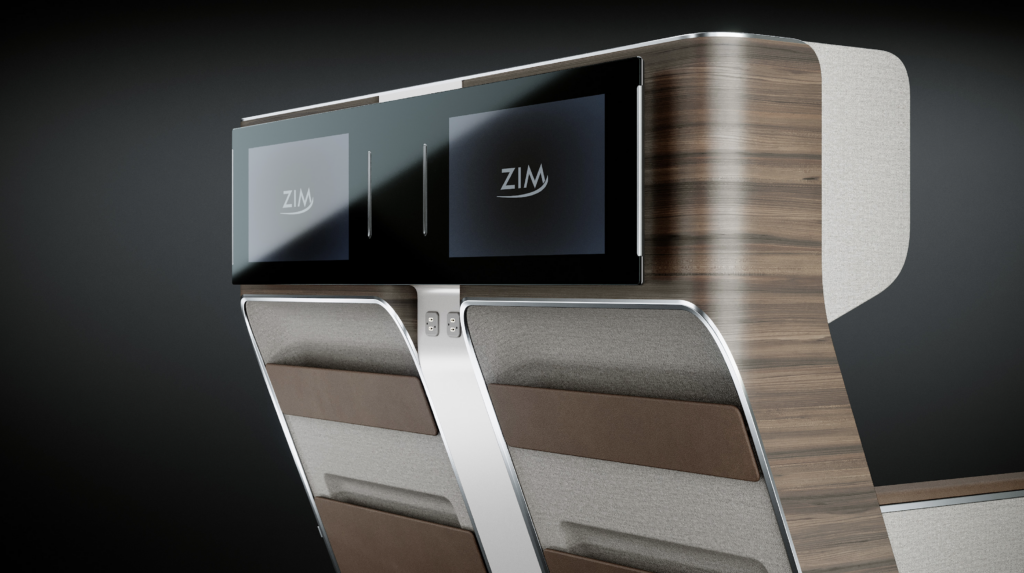
New materials also help improve the overall passenger experience while preserving operational efficiency. The seat uses high-tech mesh that spreads weight more evenly, adds flexibility, and helps reduce pressure points, which can make a noticeable difference on longer flights. This helps passengers stay more comfortable over time instead of feeling stiff or sore.
The seat also includes a fully adjustable headrest, allowing passengers to move and position it in a way that works best for them. This added flexibility supports different body types and seating preferences, making it easier to relax and maintain a comfortable posture throughout the flight.
“Everything in our development process is guided by a clear objective: to bring together lightweight engineering, sustainable materials, and thoughtful design in a seamless way,” said Rogg. “The Frame delivers on that vision. It redefines the Premium Economy segment, offering a high-performance, future-ready solution that never compromises on comfort.”