


Air Premia Reduces Seat Density to Enhance Long-Haul Passenger Comfort

Share
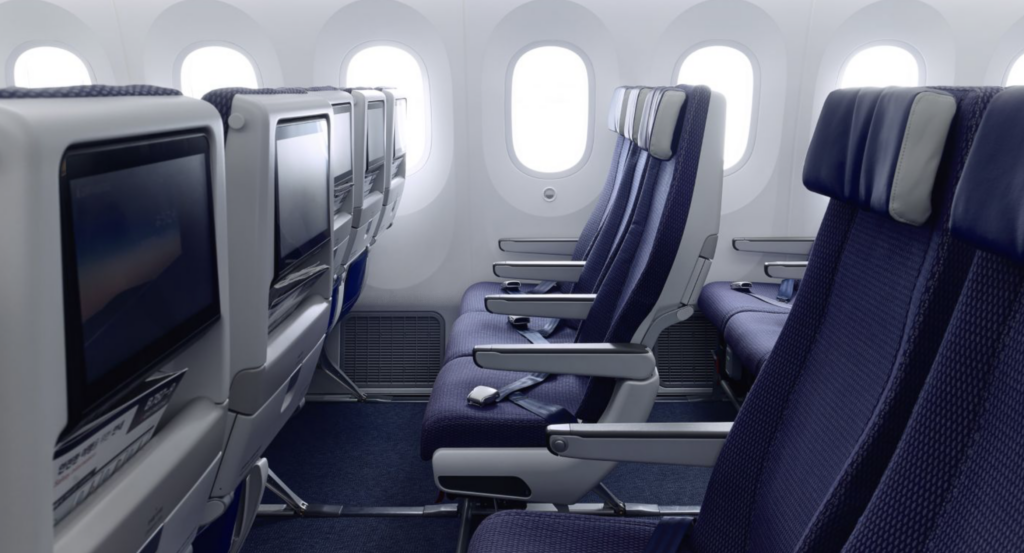
Air Premia has increased the economy-class seat pitch on one of its aircraft as part of a broader effort to enhance passenger comfort on long-haul routes. The cabin update reduces overall seat density to provide more personal space for passengers within the in-flight environment. The move reflects the airline’s continued focus on delivering a more comfortable and differentiated travel experience within its hybrid service model.
Prioritizing Passenger Comfort Through Cabin Reconfiguration
South Korea-based Air Premia announced that the economy-class seat pitch on its ten-year-old Boeing 787-9 Dreamliner registered HL8701 has been expanded from 31-inches to 33-inches following a cabin reconfiguration in mid-March. As part of the upgrade, total seat capacity on the aircraft was reduced from 344 seats to 326 seats, representing a net decrease of 18 seats. The aircraft returned to service on March 16.
“Air Premia is committed to continuously improving seat space and the cabin environment so that passengers traveling on long-haul routes can enjoy a more comfortable journey.”
– Air Premia spokesperson
This approach contrasts with common industry practices that often prioritize higher seat density to maximize revenue potential. Instead, Air Premia has chosen to allocate additional cabin space to improve overall passenger comfort, particularly for travelers on long-haul flights, where legroom and seat design play an important role in shaping the onboard experience. The decision reinforces the airline’s positioning as a hybrid carrier seeking to balance cost efficiency with targeted service enhancements.
Cabin adjustments on HL8701 form part of a broader strategy aimed at gradually standardizing the seat pitch across the airline’s fleet. The carrier has been implementing phased reconfiguration projects on aircraft that currently operate with higher-density layouts. It plans to expand its economy-class seat pitch to 33-inches or more on all aircraft configured with 344 seats within the year, thereby creating a more consistent cabin product across different aircraft types.
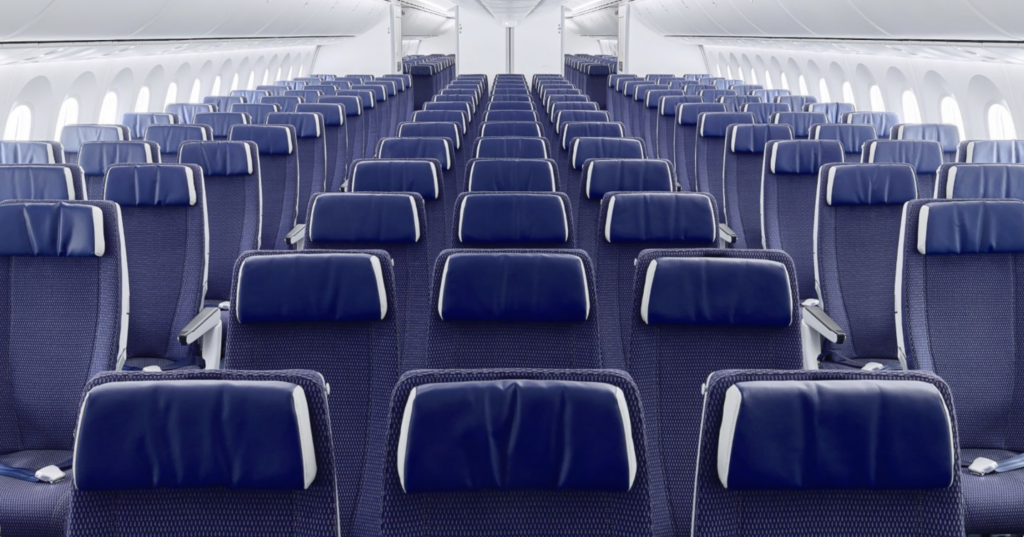
Previous cabin updates completed in 2024 demonstrate a sustained commitment to this strategy. Two aircraft that previously operated with 338 seats were reconfigured to accommodate 320 seats, thereby increasing economy-class seat pitch. These changes reflect the airline’s long-term focus on improving comfort as it continues to expand its long-haul network and strengthen its competitive position in the Asia-Pacific market.
Air Premia currently operates a fleet of nine aircraft with varying cabin layouts. Three aircraft are configured with 309 seats, two with 320 seats, two with 326 seats, and two with 344 seats. All aircraft except those still operating in the highest-density configuration already offer an economy-class seat pitch of 33-inches or greater.
Enhancing Cabin Environment and Operational Efficiency
Alongside the increase in seat pitch, Air Premia has introduced additional cabin upgrades designed to improve the onboard atmosphere and support operational efficiency. A newly installed digitally printed carpet has been rolled out across the aircraft interior, incorporating subtle branding elements that contribute to a refreshed and more modern cabin aesthetic.
The updated carpet material is lighter than the previous version, supporting incremental reductions in overall aircraft weight. Over time, even modest weight savings can contribute to improved fuel efficiency, linking passenger comfort initiatives with broader sustainability objectives.
An airline official noted, “Air Premia is committed to continuously improving seat space and the cabin environment so that passengers traveling on long-haul routes can enjoy a more comfortable journey. We will continue to introduce various service enhancements to further elevate the customer experience.”
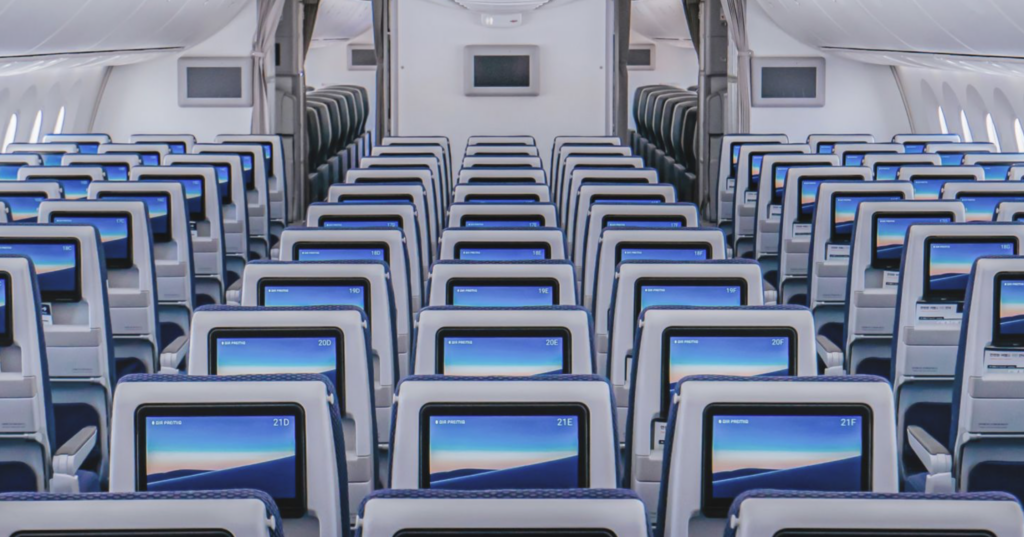
From a broader industry perspective, the initiative reflects a growing trend among some airlines that are using cabin design as a means of differentiation in competitive long-haul markets. While many carriers continue to increase seat density to manage rising costs, others are investing in comfort-focused enhancements to strengthen brand perception and passenger loyalty. Air Premia’s decision to reduce seat capacity while expanding personal space illustrates an alternative approach to value creation within evolving airline business models.