


Jetstar Selects Viasat to Power Connectivity Across its Boeing 787 Fleet

Share
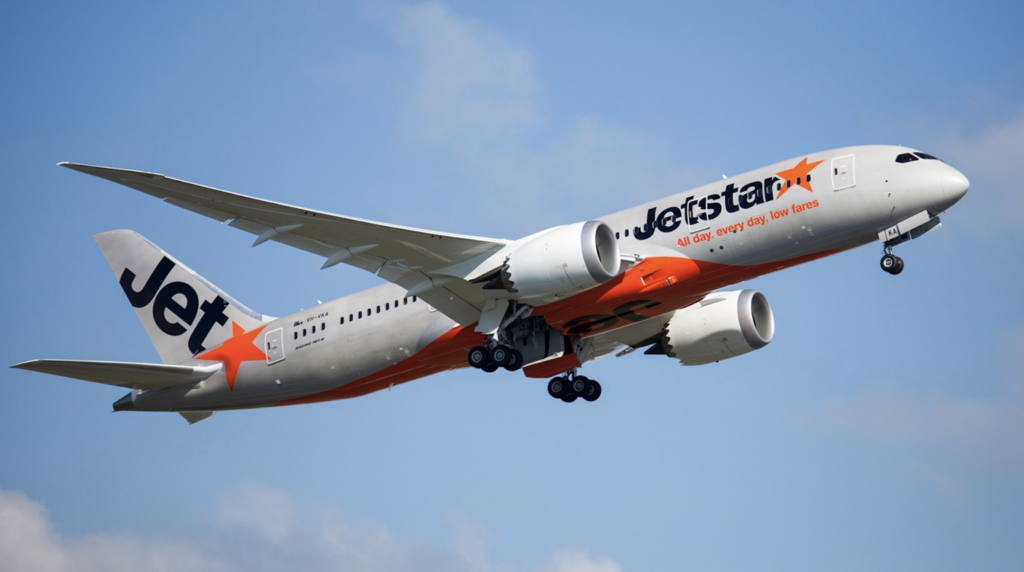
Jetstar Airways has selected Viasat to power the in-flight connectivity (IFC) service across its Boeing 787 Dreamliner fleet, marking a major step in the carrier’s long-haul cabin transformation. The agreement will see Viasat’s next-generation AMARA platform installed across 11 aircraft as Jetstar modernizes its international fleet through mid-2027. The move highlights how connectivity is becoming central to the passenger experience, even when it comes to low-cost carriers.
Jetstar Builds a Connected Future for Long-Haul Travel
Under the agreement, Viasat AMARA will provide fast, reliable in-flight internet that supports streaming, messaging, and browsing throughout the passenger journey. Installations are already underway, with the first connected aircraft having entered service earlier this month.
“Viasat AMARA was designed for exactly this challenge, delivering a consistent, high‑quality connection today, while giving airlines a clear path to scale capacity, resilience, and performance over time through a truly multi‑orbit network architecture.”
– Don Buchman, Viasat
The full rollout across 11 Dreamliners is expected to be complete by mid-2027, aligning with Jetstar’s broader fleet refresh strategy. The airline is upgrading its 787 cabins with new seating, redesigned interiors, improved premium offerings, and Burrana’s RISE in-seat power, making connectivity a key part of the refreshed onboard product.
“Viasat AMARA was designed for exactly this challenge, delivering a consistent, high‑quality connection today, while giving airlines a clear path to scale capacity, resilience, and performance over time through a truly multi‑orbit network architecture,” said Viasat Aviation President Don Buchman. “By combining Jetstar’s modernized cabins with Viasat’s expanding global satellite network, we’re enabling an in-flight connectivity platform that can grow with passenger expectations and adapt as new capacity and technologies are introduced.”
Jetstar’s connectivity model also reflects its low-cost strategy. Business class passengers on its refreshed 787 aircraft will receive complimentary access to in-flight entertainment and Wi-Fi, while economy customers can choose from a range of paid options. This tiered approach allows Jetstar to enhance the premium experience while maintaining ancillary revenue opportunities in the main cabin, a common model among low-cost long-haul operators.
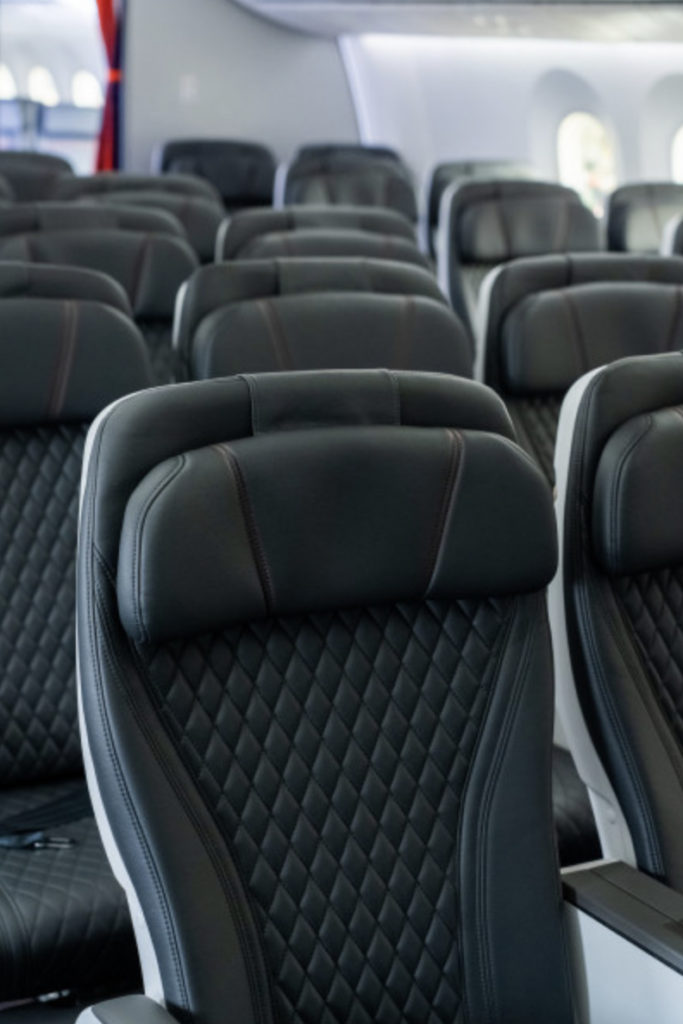
The decision also supports Jetstar’s expanding network ambitions. As the airline has introduced upgraded crew rest areas, it is now able to fly longer missions of up to 16 hours, so reliable onboard internet becomes increasingly important for both comfort and productivity.
In business class, the cabin has more than doubled in size, increasing from 21 to 44 seats. The new seats feature a 38-inch pitch, seven-inch recline, and six-way adjustable headrest. Features such as calf and footrests, improved cushioning, bi-fold tray tables, and built-in device holders make it easier for passengers to relax or work.
Economy class has also been upgraded with new RECARO Aircraft Seating seats. They offer a 30-inch pitch and five-inch recline, giving travelers more space than on Jetstar’s narrow-body aircraft. The seats also include adjustable headrests, extra cushioning, device holders, and the same dual USB-C charging available in business class. Together, these upgrades create a more consistent and comfortable experience across the cabin.
Viasat AMARA Supports PED Usage
According to the 2024 Viasat Passenger Experience Survey, 94% of travelers prefer to use their own devices inflight. That trend is especially relevant for Jetstar, whose refreshed Dreamliners are built around a bring-your-own-device (BYOD) entertainment model.
With fast and reliable onboard Wi-Fi, passengers can stream content, browse the web, stay in touch, and access airline services directly from their own screens. For airlines, the model can reduce hardware weight, simplify maintenance, and create a more flexible digital platform.

AMARA was designed specifically for this new environment. Viasat describes it as a multi-network, multi-orbit platform that can intelligently route traffic across the best available satellite resources depending on route, region, and demand.
That means the system is built to maintain consistent performance even as passenger usage changes throughout the flight. It also gives Jetstar a future upgrade path without requiring major hardware changes onboard.
The service is powered today by Viasat’s Ka-band satellite network. Over time, Jetstar is expected to benefit from additional capacity through the continued rollout of ViaSat-3 and planned low-Earth orbit (LEO) Ka-band capacity through Telesat Lightspeed.
This combination of geostationary (GEO) and low-Earth orbit capacity is becoming increasingly important across aviation. Rather than relying on a single satellite architecture, airlines are seeking blended networks that can offer stronger resilience, better coverage, and scalable bandwidth over time.