


AIX 2026: RECARO Highlights CCA-Winning Sustainable R Sphere Seat, Showcases R7 Horizon Demonstrator

Share
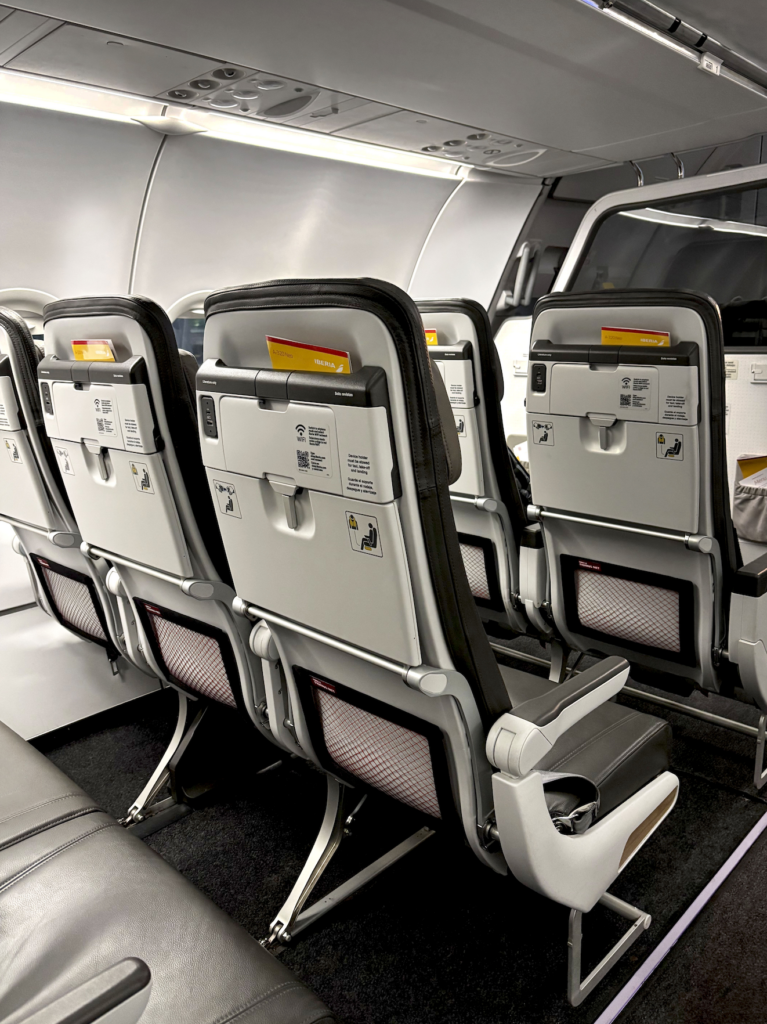
During the 2026 Aircraft Interiors Expo (AIX) event in Hamburg, RECARO Aircraft Seating (RECARO) hosted a tour of its wide-ranging product portfolio for the media. Highlights included its sustainable R Sphere product, which recently took flight with Iberia; its R7 Horizon Technology Demonstrator, which builds upon its R7 business class suite; and an ‘in-production’ version of its R4 premium economy seat.
R Sphere: Bringing Sustainable Materials to the Cabin
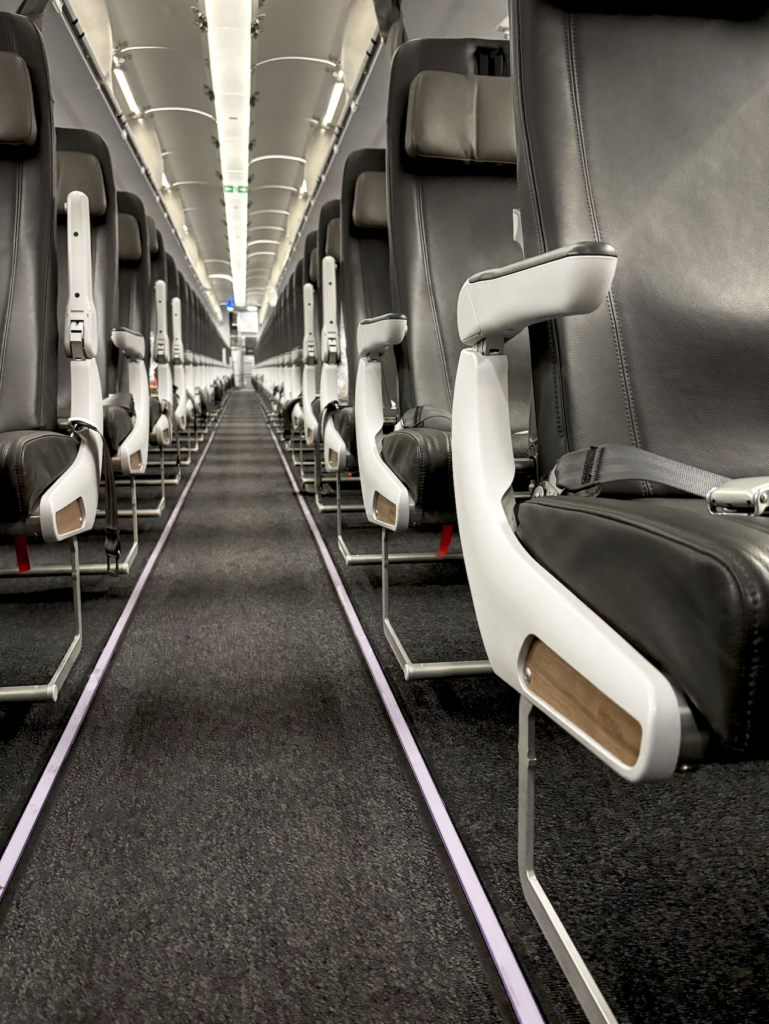
Elements of RECARO’s R Sphere Sustainability Concept Seat, which won the Crystal Cabin Award in the Sustainable Cabin category for 2026, are being introduced on Iberia’s A320neo fleet as part of a six-month operational trial. The installation includes 186 seats based on RECARO’s R1 and R2 designs, but upgraded with newly certified sustainable materials.
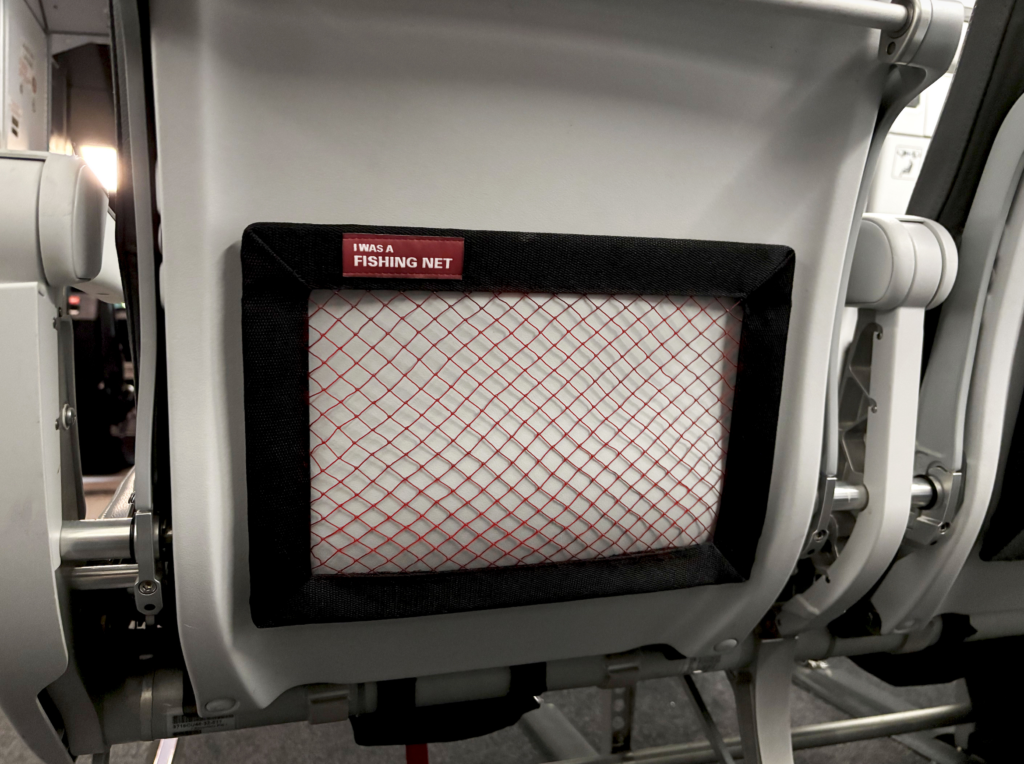
Literature pockets are made from recycled fishing nets collected from ocean waste, with each single-aisle aircraft removing about 2 kilograms (4 pounds) of material from the ocean. The seats also incorporate real wood elements within the seat structure, replacing traditional synthetic finishes with a natural alternative.
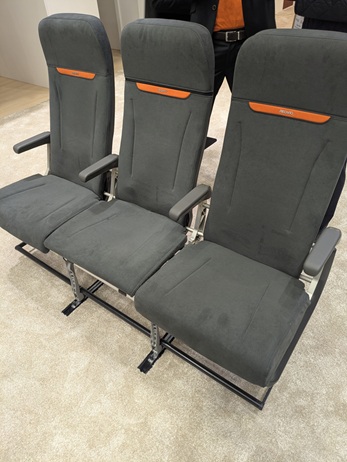
While these features are fully certified for use in commercial aviation, on its stand at AIX, RECARO showcased others that are still being explored. These included a backrest made from 80 per cent sugar cane composite, which will be ready to enter commercial service by the end of this year; a seat cushion made from recyclable mesh material that allows a reduction in depth of a third; and a lightweight recyclable dress cover that is easy to clean.
When it debuted R Sphere in 2024, the company mentioned it was looking at cactus leather as a lightweight dress cover option, but revealed that on further inspection it was too tricky to recycle. Instead, it has opted for a polyester-based microfiber that contains 80 per cent recycled material and is wipeable. By designing the headrest as removable from the rest of the dress cover with a zip, RECARO estimates it can eliminate up to 70 per cent of related waste.
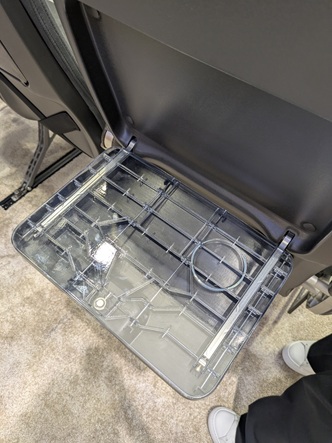
Elsewhere, RECARO is investigating a range of tray table options. A spokesperson said, “Today, if a table gets a defect, it has to be thrown away because it is multi-material.” In response, it has created one made from a mono-material that can easily be disassembled and recycled. It is also exploring a super-thin table or simply just an optional cup- or device-holder, which it said the airline could provide universally, on demand or as part of a buy-on-board service.
R Sphere is designed to reduce environmental impact across the entire product lifecycle, from production and operation to end-of-life recycling, but one of its most significant advantages is weight reduction. RECARO claims the seat being tested by Iberia achieves a savings of approximately 1.5 kilograms (3.3 pounds) per passenger compared to conventional designs, which can lower carbon emissions by an estimated 54.9 tons of CO2 per year on single-aisle aircraft.
Bringing Tech to the Forefront of the R7 Experience
RECARO was excited to share some blue-sky designs showing how technology could improve its R7 suite, which was launched by LATAM on its Dreamliners in April 2025, as part of its Horizon Technology Demonstrator.
New features for this year included what the company claims is the first “AI-powered seat control by voice” solution. Available in over 90 languages, it allows empowers passengers to adjust their seat through simple spoken instructions.” While a spokesperson said this won’t be seen in the air for a while to come, it was designed to address accessibility needs, and even to cater to passengers who aren’t familiar with the workings of business-class seating.
RECARO also shared a dashboard highlighting new predictive maintenance capabilities as part of a wireless data management technology, which will enable real-time diagnostics and anticipates maintenance needs. Instead of the crew needing to take pictures of defects on their tablets, the seat identifies issues itself and sends a signal directly to the MRO. Crew tablets take photos, sends a signal directly to the MRO. It is currently set to come to the market in 2027.
R4: Recaro is Ready to Cater to the Growing PY Market
2026 marks the first year RECARO has showcased an ‘in-production’ version of its R4 premium economy-class (PY) seat at AIX. A spokesperson for the company explained that the R4 is the successor of its PL3530 product, and it is now ready to serve the PY market, which is growing rapidly in the wide-body sector.
He continued that RECARO is in discussion with many airlines about the R4, which includes a new 17.2-inch wide single-plate table based within the center console designed to provide a more smooth and seamless experience for passengers.
At the press of a button, the arm cap opens automatically and the table rises up, making it easier for the passenger to retrieve, especially if they are in a reclined position. Furthermore, it is stowed away “with the sound of silence” thanks to a soft close mechanism that stops it from falling back down into the console.
It features a similar PED holder to the one showcased in the Horizon Technology Demonstrator and its A330 business-class seat.
More Innovations to Come…
During its booth tour, RECARO hinted at a range of further updates coming down the pipe. It is currently running launch customer programs for its A330 business class seat, debuted at AIX last year, which it hopes will take flight later in 2026. While the original product demonstrator contained an in-headrest audio system, RECARO also teased something more was coming on that soon.