


AirFi Rethinks the Digital Cabin With Flexible IFE, Connectivity and Commerce

Share

Airlines are looking for new ways to improve the onboard digital experience, particularly low-cost carriers and operators of smaller regional aircraft that may not need or want to invest in traditional embedded cabin systems. AirFi is making the case for a more flexible model built around portable in-flight entertainment (IFE), onboard commerce, connectivity, and passenger-owned devices that can evolve alongside consumer technology. For AirFi CEO Laura Rösges, each of those products can operate independently or integrate with third-party systems already in place, but they can deliver the most value when deployed together, bringing content, commerce, and connectivity into a more connected digital cabin platform.
From Portable IFE to a Broader Digital Cabin
AirFi’s evolution has been shaped by several technologies that challenged traditional assumptions about what needs to be permanently installed on an aircraft.
The company launched Connected Crew in 2011, initially proving that airlines could run onboard payment operations without fixed cabin infrastructure. It later expanded into portable streaming IFE, allowing passengers to access entertainment through their own devices.
“Mobile payments, and by that I mean going back to when we launched Connected Crew in 2011, proved that an airline cabin didn’t need fixed infrastructure to run a serious commercial operation,” Rösges said. “Portable streaming IFE demonstrated that passengers’ own devices were a more flexible delivery channel than any seatback ever was.”
The bigger shift came with AirFi’s move into low-Earth orbit connectivity through its patented window-fit antenna and AirFi LEO (low Earth orbit).
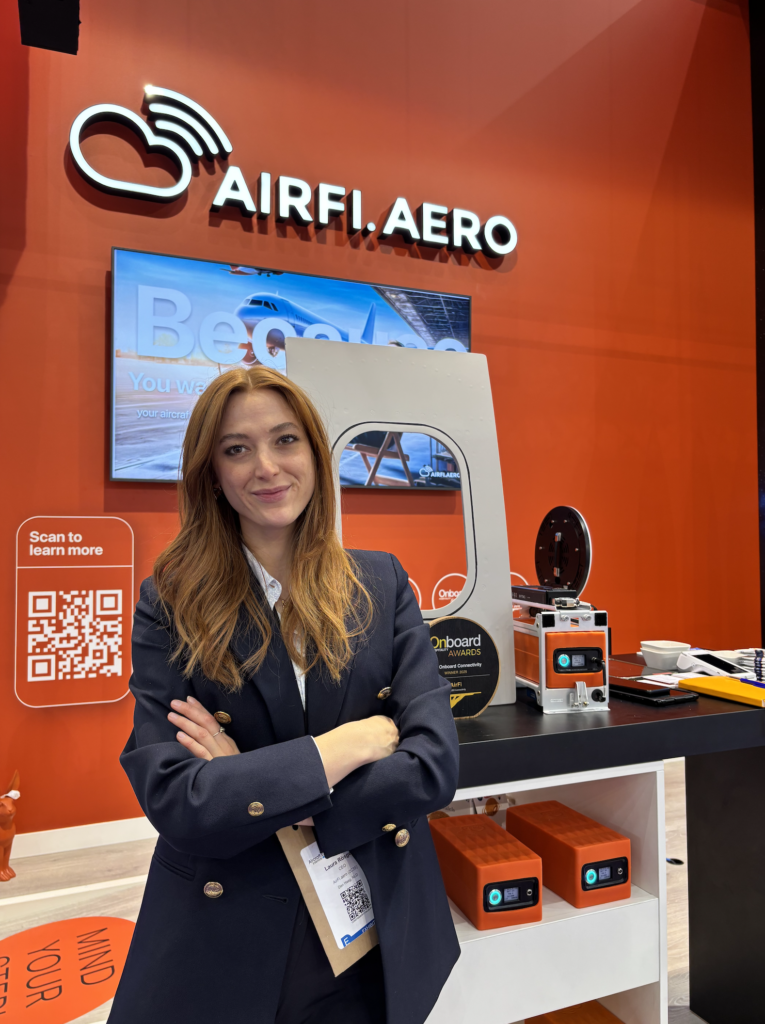
“For years, we were ‘the portable IFE company,’” Rösges said. “With LEO, we also became a connectivity provider, and the conversation with airlines shifted from in-flight entertainment budgets to cabin technology strategy. That’s a much bigger room to be in.”
AirFi sees entertainment, retail, and connectivity as parts of the same onboard experience rather than separate products. Rösges said each product works well on its own, but they can deliver the most value for airlines when combined into one platform that can launch quickly and continue evolving over time.
“The next phase is about pulling those three threads: content, commerce, connectivity, into a single platform that an airline can deploy in days rather than years, and evolve continuously without going back to the hangar,” she said.
Her background in airline catering, onboard retail, and aviation technology also shapes that approach. Rösges said every new feature needs to create value for passengers, crew, commercial teams, and the airline itself.
“Cabin economics are unforgiving: every kilo, every minute of turnaround, every line item on a galley loading list matters,” she said. “Even the most beautifully designed product range will fail if the cabin crew can’t sell it easily at row 22 mid-flight.”
Rethinking Traditional Cabin Technology
Airlines are also reconsidering the economics of traditional cabin technology. Embedded IFE can require significant upfront investment, lengthy certification work, and installation timelines that stretch across multiple years. Rösges said those economics become harder to justify when consumer technology changes much faster than aircraft interiors.
“By the time it’s installed and flying, the consumer technology it’s competing against has moved on twice,” she said.
Weight is another consideration. Permanently installed screens, wiring, and supporting equipment remain on the aircraft for years, adding weight throughout the life of the system. Airlines are also managing increasingly complicated fleets. Aircraft may move between subsidiaries, operate under wet-lease agreements, support seasonal capacity, or shift between different parts of the network.
“Embedded hardware doesn’t fit neatly into that operational reality, whereas a portable platform does,” Rösges said. “You can deploy it overnight, move it between tails, scale it up for peak season and back down again.”
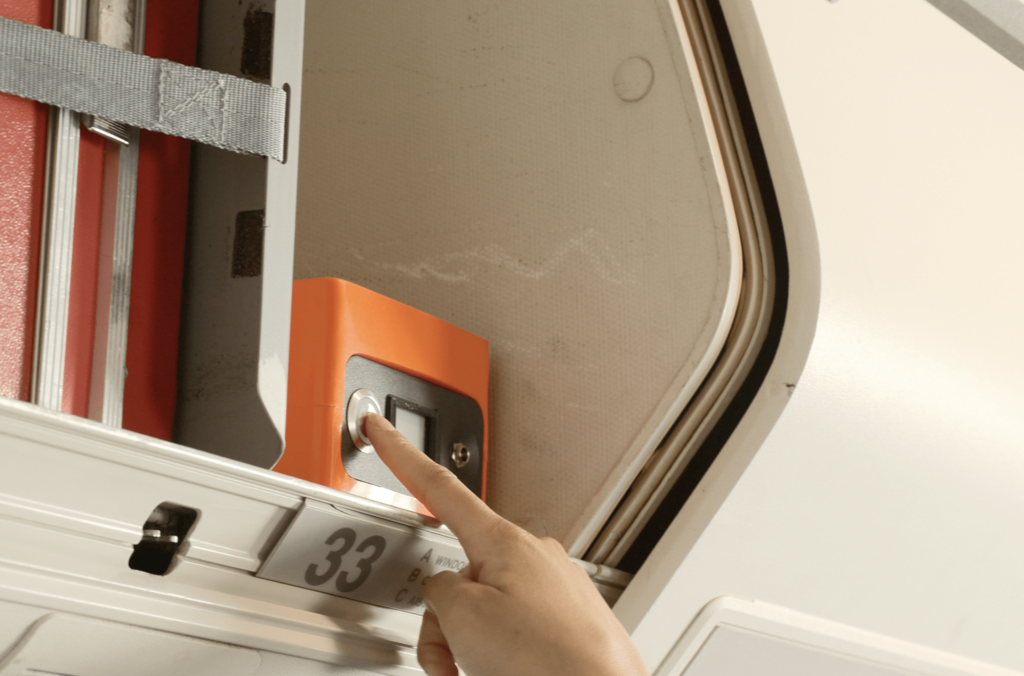
AirFi’s Venus box is designed around that flexibility, with a next-generation system already in development. The same hardware can operate across narrowbodies, widebodies, turboprops, and regional jets without modification, according to Rösges. It does not require an STC (Supplemental Type Certificate) or aircraft-side wiring, while the passenger interface, content, retail catalog, and crew applications can be configured for individual airlines and cabin classes.
Short-haul regional operators can use the system for retail and basic content, while long-haul operators can offer full IFE catalogs and connectivity. Seasonal and charter operators can move the equipment between aircraft as their needs change.
Deployment speed is another central part of AirFi’s pitch.
“We have gone from contract to live operation in under a month on widebody and narrowbody fleets, and overnight on individual aircraft,” Rösges said. “That changes how airlines plan, because the technology stops being the long pole in the tent.”
That gives airlines a faster way to introduce and update cabin technology without committing to a lengthy installation program.
Turning the Cabin Into a Commerce Platform
AirFi sees new opportunities to grow onboard retail. When Connected Crew launched 15 years ago, the main goal was simply allowing airlines to process card payments reliably without an internet connection. Rösges said that challenge has largely been solved, opening the door to more advanced digital retail services.
“What’s changed is the surrounding intelligence,” she said.

That now includes real-time fraud screening through LEO, dynamic pricing, personalization tied to loyalty profiles, and order-to-seat models that change the role of the traditional inflight sales aisle.
Rösges believes one of the biggest opportunities still sits outside the traditional inflight retail window.
“The untapped opportunity, in my view, is pre-order and post-flight commerce, which reframes the cabin as one of several touchpoints in a journey that starts at booking and continues after landing,” she said.
That could allow airlines to treat onboard retail as part of a longer passenger relationship rather than limiting sales to a short period during the flight.
Data is another major opportunity. Airlines already collect information about what passengers browse and buy, but Rösges said many carriers are not fully using that data to decide what products to load, promote, or recommend. “Closing that loop is where the next significant revenue lift will come from,” she said.
Partnerships are another important part of AirFi’s approach. Rather than trying to provide every service itself, the company works with content providers, payment companies, caterers, duty-free specialists, ground retailers, and connectivity providers.
“As a platform, we’ve always been intentionally partner-friendly because we think the alternative, trying to own every layer, produces worse outcomes for airlines,” Rösges said.
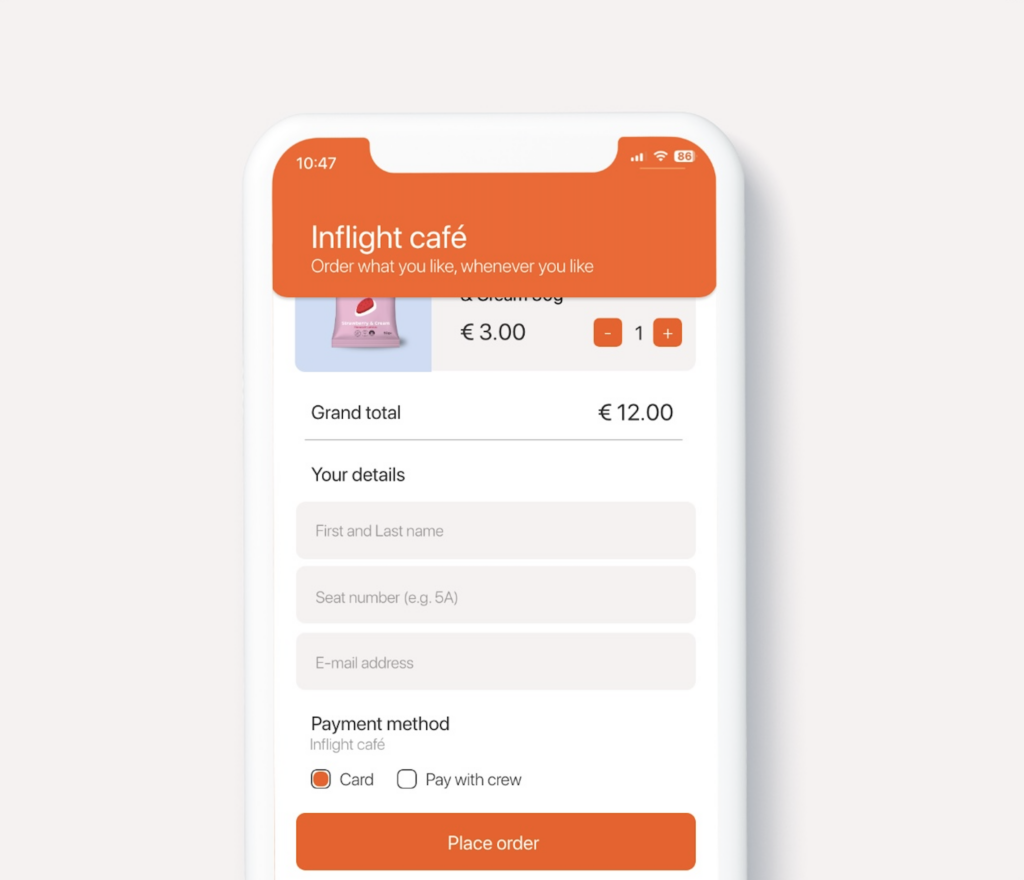
Scoot’s order-to-seat program with SATS and KrisShop is one example of that approach, bringing together different retail and technology partners onboard. “Our role is to make those partnerships easier to operate from the cabin, not to compete with them,” Rösges said.
Future-Proofing Through Flexibility, Not Permanence
AirFi’s broader argument is that airlines may need to rethink what future-proofing actually means. Traditionally, future-proofing has meant selecting a cabin system expected to remain relevant for many years. Rösges believes that approach no longer matches the pace of consumer technology.
“‘Future-proofing’ in the traditional sense, by which I mean choosing a system you can live with for 10 years, is increasingly the wrong frame,” she said. “The reason is that consumer technology moves too quickly.”
AirFi instead focuses on giving airlines the ability to change and upgrade their technology over time. Because its portable IFE hardware is not permanently installed, airlines can replace, redeploy, or upgrade it without an STC. Software can be updated centrally, while new payment providers, content partners, or connectivity options can be integrated without replacing the entire system.
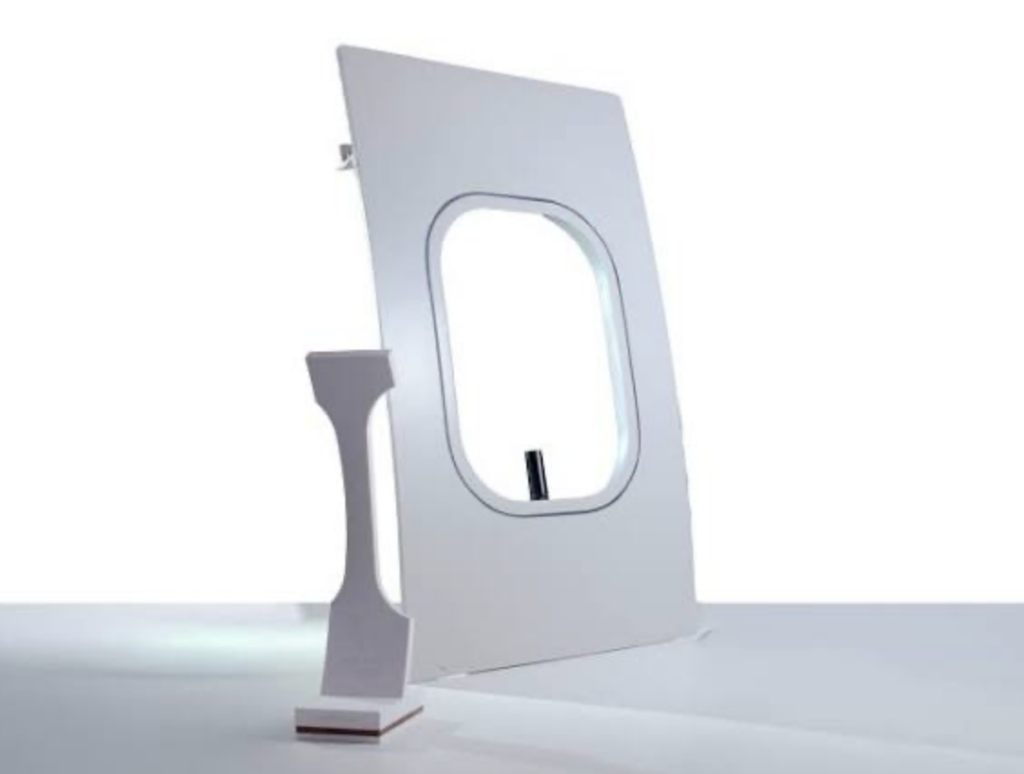
“The goal is to give airlines optionality, the ability to change their mind in eighteen months without writing off the investment,” Rösges said.
That flexibility is a key part of what AirFi believes sets it apart. Rather than requiring airlines to change their existing partnerships, AirFi brings different parts of the digital cabin together. “We don’t ask airlines to give up their content partners, payment providers, retail relationships or loyalty integrations to use us,” Rösges said. “They retain those commercial relationships, and we power them.”
AirFi’s platform brings together hardware, software, content delivery, payments, connectivity, crew tools, and analytics.
“Embedded IFE vendors solve one part of the cabin. Pure connectivity players solve another,” Rösges said. “We are the integrator, and on most of the aircraft we fly, we are the only digital cabin system on board.”
That may best explain AirFi’s direction. Instead of asking airlines to install cabin technology that remains unchanged for years, the company is betting on systems that can evolve as passenger expectations, connectivity, commerce, and consumer technology continue to change.