


AIX 2026: ThinKom Advances Multi-Orbit Connectivity with Ka2517 Approval and ThinAir Nexus Launch

Share
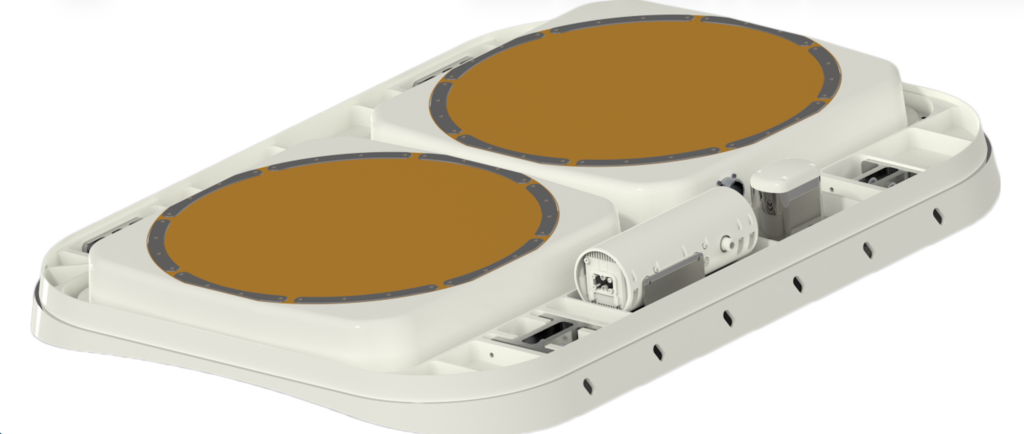
At Aircraft Interiors Expo (AIX) 2026, ThinKom Solutions showcased its push toward more flexible, multi-orbit inflight connectivity. The company announced SES Open Orbits type approval for its ThinAir Ka2517 antenna while also unveiling the new space-optimized ThinAir Nexus platform.
Ka2517 Certification Unlocks Multi-Orbit Connectivity at Scale
ThinKom’s first announcement at AIX 2026 was the type certification of its ThinAir Ka2517 antenna for use on the SES Open Orbits network. The approval comes after extensive ground and flight testing and confirms that the system is fully approved for multi-orbit, multi-constellation connectivity.
The certified terminal is part of a solution developed with RAVE Aerospace. It uses a dual-modem system that can connect to multiple satellite types, including geostationary (GEO) and medium-Earth-orbit (MEO) networks. This allows airlines to switch between different satellite systems based on availability and performance needs.
The Ka2517’s performance is powered by ThinKom’s patented VICTS phased-array technology. Unlike traditional antennas, it can connect to multiple satellite networks at the same time using separate transmit and receive beams. This helps increase capacity and reduce latency by spreading traffic across different orbits.
“Airlines recognize multi-constellation, multi-orbit communications as the future for in-flight connectivity (IFC),” said ThinKom Chief Commercial Officer Jeff Sare. “Our ThinAir Ka2517 delivers that superior connectivity experience, and with this certification, it brings increased satellite service options online.”

The certification has immediate benefits for airlines. The Ka2517 is already part of Airbus’s HBCplus program, which allows aircraft to be delivered with connectivity systems already installed at the factory. With approval for the SES Open Orbits network, airlines in the program can now use a mix of GEO and MEO satellite coverage.
More than 150 aircraft are already using or set to receive the RAVE and ThinKom solution through HBCplus, with more installations planned through retrofit programs. This growing footprint reflects rising demand for multi-orbit connectivity, especially on high-density routes and in regions where a single network may not provide consistent performance.
The ability to switch between satellite networks helps deliver more reliable service. By combining GEO and MEO coverage, airlines can balance reach and speed, improving the passenger experience across different flight paths.
It also shows how the aviation industry is changing. As in-flight connectivity (IFC) evolves, airlines are moving away from relying on a single provider and toward more flexible setups that can use multiple networks. ThinKom’s Ka2517 is built to support that shift, working across a wide range of satellite systems.
ThinAir Nexus Redefines Size, Flexibility, and Performance
Alongside the Ka2517 certification, ThinKom introduced ThinAir Nexus, a new antenna designed to deliver multi-orbit performance in a smaller and easier-to-install design.
Nexus represents the next step in ThinKom’s antenna evolution. While maintaining support for GEO, MEO, and low-Earth-orbit (LEO) constellations, the system is engineered to match the size and simplicity of antennas usually used for single-orbit systems.
This combination of compact design and multi-orbit capability addresses a key challenge for airlines. As demand for connectivity grows, they need solutions that deliver strong performance without adding complexity or limiting which aircraft they can use it on.
“Airlines demand and deserve flexibility and reliability as they invest in inflight internet solutions,” said Sare. “Our new ThinAir Nexus solution delivers the most efficient and reliable multi-orbit, multi-constellation antenna to ever fly, now space-optimized for a smaller installation footprint.”
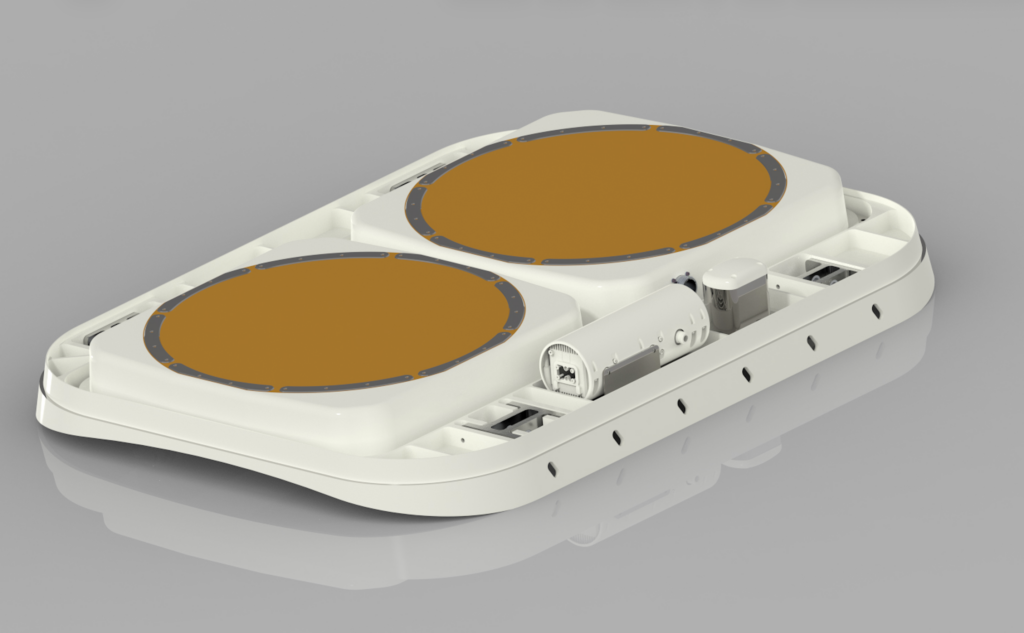
The platform is built on ThinKom’s VICTS technology, which allows for an open network setup. This means airlines can connect to multiple satellite providers instead of being tied to one. As new satellite systems are introduced, the antenna can adapt through relatively simple upgrades, such as modem changes.
This flexibility is a big part of its long-term value. Airlines want systems that will last and adapt over time, so they do not have to replace hardware as technology evolves.
Performance is also a key strength. Nexus is designed to deliver gigabit-level connectivity across all supported orbits, providing the bandwidth required for streaming, real-time applications, and high-density passenger usage. At the same time, it uses bandwidth efficiently to get the most out of available capacity.
Installation has also been simplified. The antenna only needs four mounting points on the aircraft, making it easier to install on both new and existing planes. ThinKom is also working with Boeing and Airbus to ensure it fits current and future aircraft standards.
The smaller size also creates new opportunities for regional aircraft, where space and weight constraints have historically limited connectivity options. By offering a more compact and efficient option, Nexus allows more aircraft to support advanced in-flight connectivity.
Thermal performance is another advantage. The system uses less power, so it can run continuously from gate to gate, while producing less heat. This reduces the risk of overheating issues that can impact other antenna systems.
ThinKom Chief Executive Officer Mark Silk emphasized the significance of the new platform. “Nexus delivers the reliability and performance we’ve always excelled at, now in a more compact footprint to ease installation and increase aircraft options,” he said.
ThinKom’s antenna systems have already logged more than 65 million hours in operation, demonstrating strong reliability. With Nexus, the company is building on that track record while meeting airlines’ growing need for flexibility, scalability, and easier integration.