


Alaska Air Group Brings Embedded IFE to Single-Aisle Boeing 737 MAX 10

Share
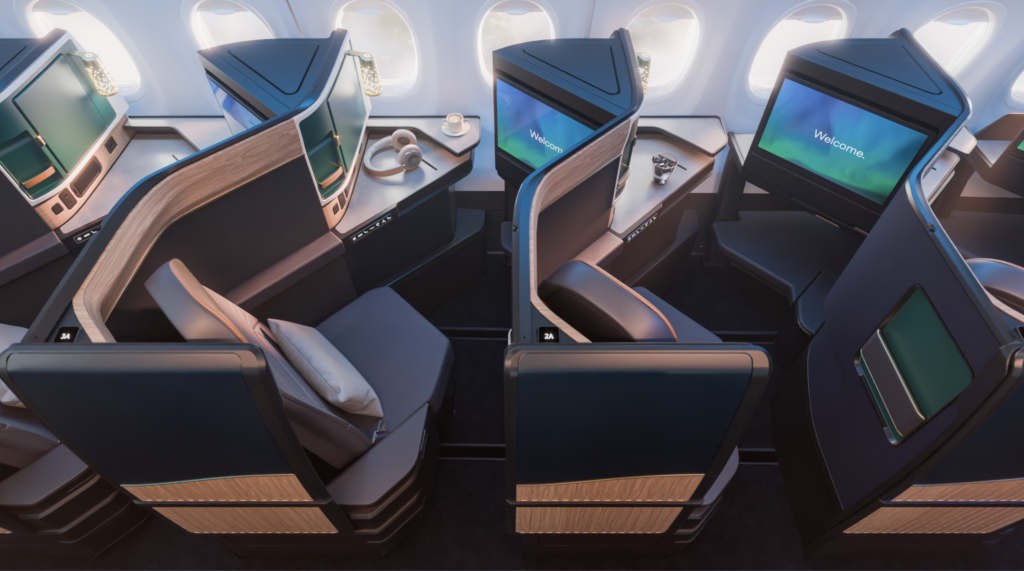
Alaska Airlines will bring seatback in-flight entertainment (IFE) to its new premium Boeing 737 MAX 10 aircraft, giving Aurora Suites and Premium Reserve passengers embedded screens alongside free Starlink Wi-Fi. Main Cabin passengers will use their own devices with Starlink when the aircraft enters service, but Alaska executives left the door open to adding seatback screens farther back in the cabin in the future. The strategy brings embedded IFE to Alaska’s single-aisle fleet while combining it with high-speed connectivity and access to passengers’ own content.
Alaska Brings Seatback IFE to the 737 MAX 10
Alaska plans to introduce at least 25 737 MAX 10 aircraft with its new premium transcontinental configuration beginning in 2028, which the airline detailed during Alaska Air Group’s 2026 Investor Day in Seattle. Each aircraft will offer 12 lie-flat Aurora Suites and 12 Premium Reserve seats, with seatback IFE in both cabins.
Aurora Suites will offer 19-inch 4K Panasonic Avionics Astrova screens with Bluetooth connectivity, allowing passengers to connect their own wireless headphones. Premium Reserve will add 16-inch 4K OLED Panasonic Avionics Astrova screens with Bluetooth connectivity.
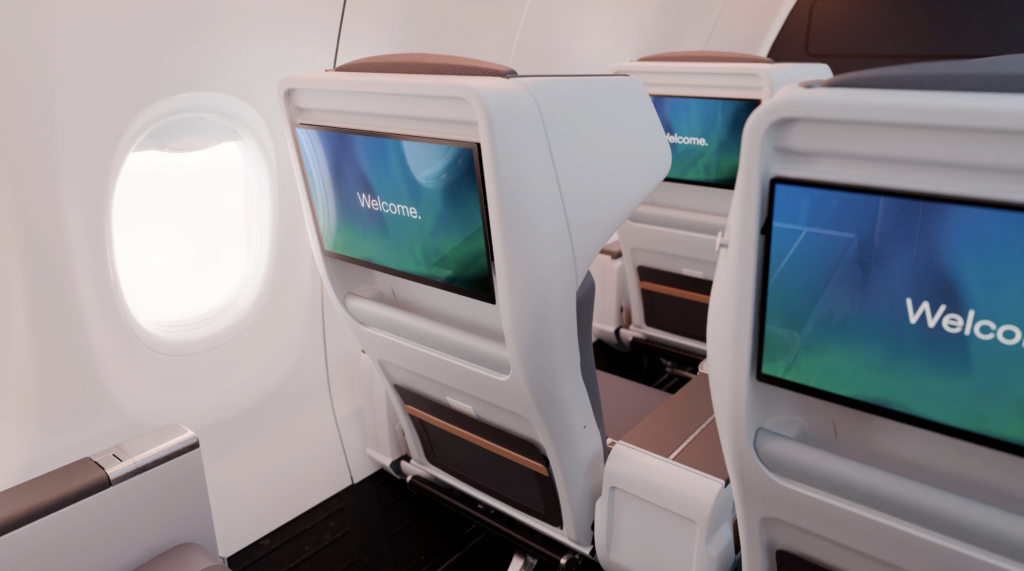
The screens bring a new entertainment experience to Alaska’s single-aisle fleet. Aurora and Premium Reserve passengers can watch Alaska’s embedded IFE while connecting their phones, tablets, and laptops to Starlink, giving them access to both the seatback system and their own content during the same flight.
Alaska plans to deploy the premium 737 MAX 10s on longer transcontinental routes from the West Coast, including markets from Seattle and California to New York. “To start with, you’ll see these aircraft operate off the West Coast, certainly Seattle and out of California on those big, heavy business premium transcon markets into New York City and others,” said Alaska Airlines Executive Vice President and Chief Commercial Officer Andrew Harrison.
The seatback screens form one part of Alaska’s larger investment in onboard connectivity. The airline plans to roll out free Starlink Wi-Fi across its fleet, allowing passengers to stream entertainment, message, work, and access their own content in flight.
Alaska Airlines President and Chief Financial Officer Shane Tackett said Starlink has already contributed to stronger passenger satisfaction scores. “We are all in Starlink for free for everybody. It’s an amazing experience,” Tackett said. “The folks who travel on Starlink-enabled aircraft, their NPS scores are materially higher than non-Starlink-enabled just for that alone.”
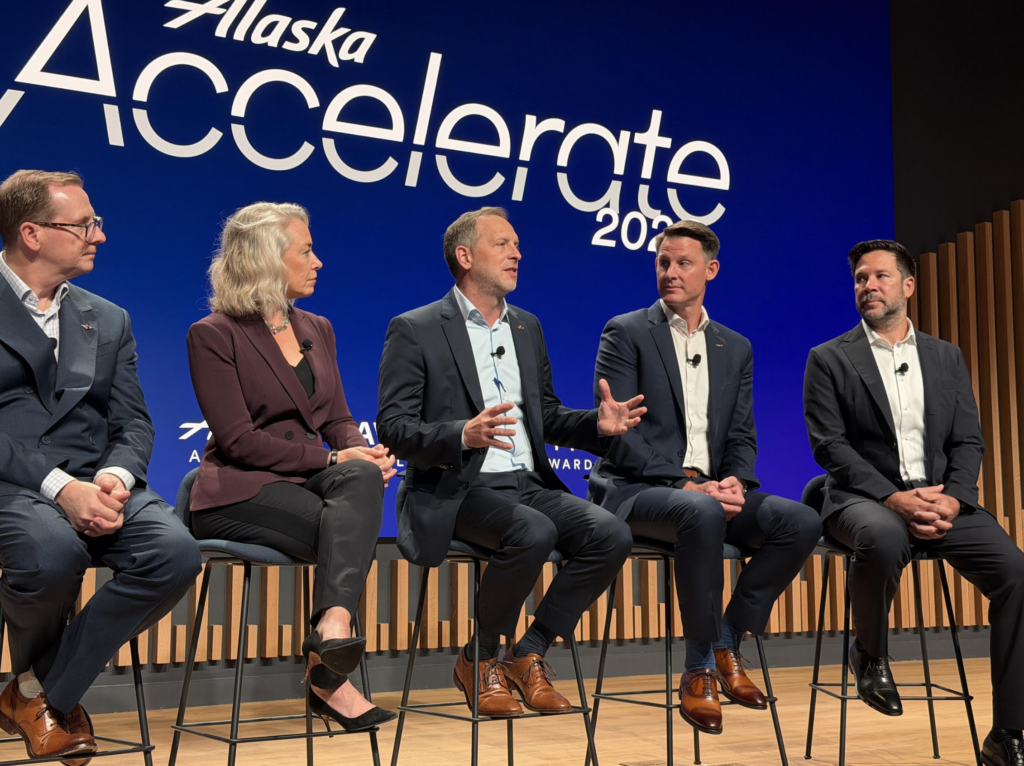
Recent conversations with passengers have reinforced the importance of giving travelers access to their own content, Tackett said. “We just had a panel of guests at our planning session a couple of weeks ago talk to us about this, and they really leaned into wanting to be able to use their own content,” Tackett said. “That’s the most important thing: give me immediate access to my own content.”
That feedback shows how Alaska sees embedded IFE and Starlink working together. Rather than making passengers choose between a seatback screen and their own devices, Aurora and Premium Reserve will give them access to both.
Alaska Leaves Door Open to Main Cabin IFE
Alaska will initially limit seatback IFE on the premium 737 MAX 10 to Aurora Suites and Premium Reserve, while Main Cabin passengers use their own devices with free Starlink Wi-Fi. However, Alaska has not made a final decision on whether screens could eventually extend farther back in the cabin.
“We’ve not made that decision yet,” Harrison said. “The MAX 10’s premium cabin is about the suites and the Premium Reserve. Main Cabin will be fantastic, just like the rest of our fleet.”
Harrison said Alaska will continue evaluating the business model around seatback IFE. Beyond movies and television, screens could support curated content, marketing, advertising, and other opportunities to generate revenue.
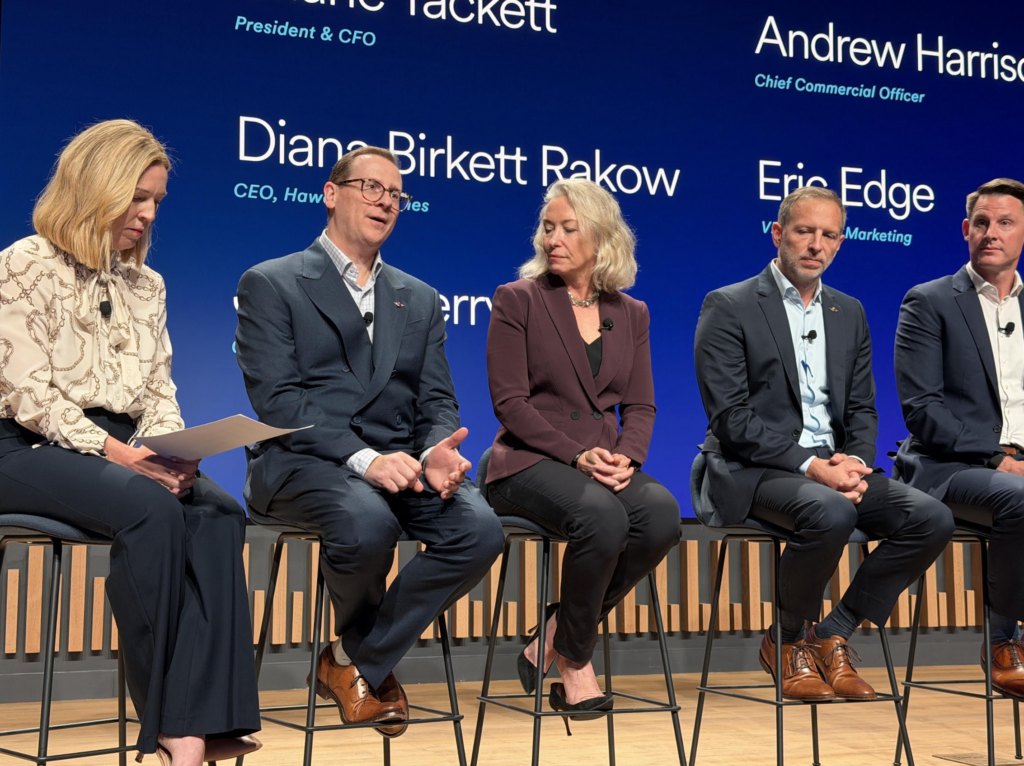
“One of the things that we will be looking at as we do this is what could be the business model around the seatback screen, curated content, marketing, advertising, monetizing, which you’re seeing some of the larger carriers do,” Harrison said. “That will be something that will be in our consideration set.”
That broader role could give Alaska another reason to reconsider Main Cabin IFE in the future. Instead of viewing the screen only as an entertainment product, Alaska can evaluate how it could support other parts of the passenger experience while creating additional revenue opportunities.
Tackett similarly left the longer-term question open, pointing to how quickly technology and passenger expectations can change. “The world has changed. We are doing things today we didn’t think we might do 10 years ago,” Tackett said. “We’ve got to get these products in market. We’ve got to get every plane with Starlink, and then we can sit back and see if that’s actually a missing thing for guests or not.”