


APEX FTE EXPO 2026: CineSend Looks to Cloud Connectivity to Reshape IFE

Share
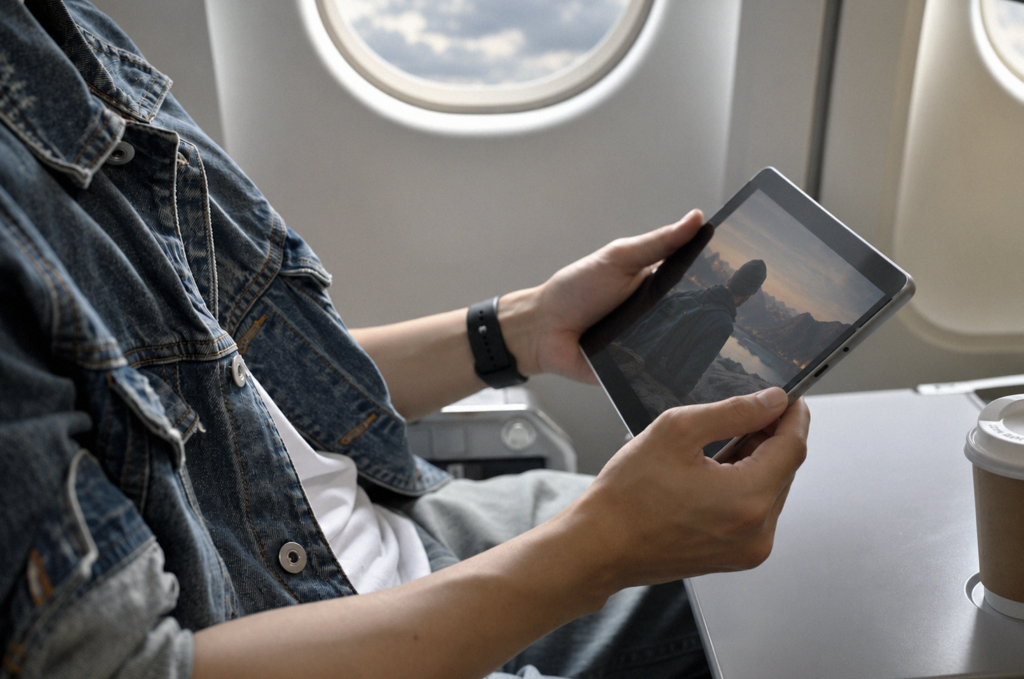
As CineSend celebrates its 10th anniversary in 2026, the media technology company expects connectivity and cloud-based delivery to change how airlines manage and deliver in-flight entertainment (IFE). Since entering the aviation market about five years ago, CineSend has worked to move traditional IFE processes into the cloud and make them faster and easier to manage. Ahead of APEX FTE EXPO in Singapore this November, the company is highlighting how higher-bandwidth connectivity could give airlines more options for how they prepare, update, and deliver entertainment to passengers.
Moving IFE Into the Cloud
CineSend’s move into aviation started with its work in the film industry. The company originally helped studios move away from physical media by using cloud content delivery networks (CDNs) to send theatrical content to cinemas instead of hard drives and by sending screeners online instead of mailing DVDs.
“It’s hard to believe that only ten years ago, media was still physical,” CineSend CEO Colin Carter said.
When CineSend entered the IFE market in 2021, the company found a similar opportunity. Traditional seatback IFE still relied on older systems and processes, so CineSend focused on moving more of that work into the cloud and making it faster and easier to manage.

The company now expects another shift as connectivity improves and cloud-based onboard services become more relevant. Airlines have more options for how they curate, distribute, and deliver entertainment, giving them more room to rethink processes built around older technical limits.
“What makes aviation particularly interesting today is that the technology environment is changing quickly,” Carter said. “Connectivity is improving, delivering onboard services through the cloud is becoming increasingly relevant, and airlines have more opportunities to rethink how entertainment is curated, distributed and ultimately delivered to passengers.”
Carter views that change as a natural continuation of the work CineSend has done throughout its first decade. The company has focused on taking older IFE processes and using today’s technology to make them work more efficiently.
“For us, it feels like a natural continuation of what we’ve always done: taking workflows that were designed around yesterday’s technical limitations and rethinking them around what is possible today,” Carter said.
How Connectivity Could Change IFE
Carter believes connectivity and streaming will have the biggest impact on IFE over the next several years. Airlines have traditionally built IFE around the idea that aircraft would spend much of the flight disconnected, so content had to be prepared ahead of time, loaded onboard, and updated on a set schedule.
That model made sense when inflight connectivity (IFC) was limited, expensive, or unreliable. Carter believes low Earth orbit (LEO) connectivity is starting to change that.
“LEO connectivity changes that assumption,” he said.
As high-bandwidth connectivity becomes more common across airline fleets, aircraft can operate more like other connected environments. Instead of storing every piece of content onboard, airlines could increasingly deliver entertainment directly from the cloud to passengers’ personal electronic devices (PEDs) or seatback screens.
That could allow airlines to update entertainment more quickly. Live and near-live programming could become easier to offer, including sports highlights, news updates, and other content that loses value if passengers do not receive it until weeks later. Connectivity could also create new opportunities for personalization and programmatic advertising.
Carter does not expect cloud delivery to completely replace onboard storage. Airlines still need entertainment to work when connectivity is interrupted or limited, making hybrid systems an important part of the transition.
“I don’t think local storage disappears overnight,” Carter said. “Hybrid architectures will be important because airlines still need resilience when connectivity is interrupted or constrained.”
Airlines could keep some content onboard while using the cloud for programming that benefits from faster or more frequent updates. That approach allows carriers to maintain reliability while taking advantage of connected aircraft.
“But the ability to combine onboard content where it makes sense with cloud-delivered content fundamentally changes what’s possible,” Carter said.
CineSend believes that model could allow airlines to offer larger and more dynamic catalogs, update content faster, reduce some onboard infrastructure, and simplify content operations. For passengers, that could mean entertainment libraries that change more quickly and give airlines more options for what they offer throughout the journey.
Finding CineSend’s Role in the Next Generation of IFE
As airlines move toward more connected IFE, CineSend plans to work alongside the companies already serving the industry rather than replace them. The company wants to provide the underlying media technology that helps airlines, content service providers (CSPs), seatback system manufacturers, and app developers take advantage of cloud-connected entertainment.
“We see CineSend as a technology partner within the existing IFE ecosystem, not as a replacement for it,” Carter said.
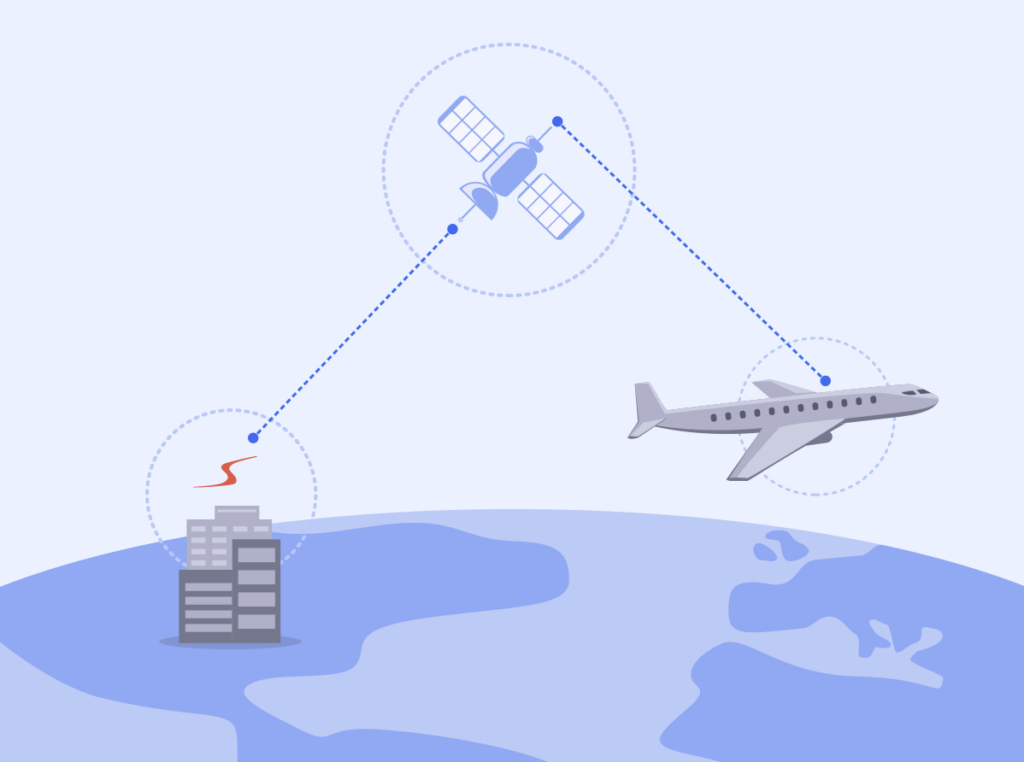
That role could include enabling secure streaming through an airline’s existing passenger app, providing a complete streaming experience where it makes sense, or supplying the technology needed to deliver content from the cloud to connected seatback systems.
CineSend’s experience handling high-value and often pre-release studio content supports that role. Over the past decade, the company has worked with digital rights management (DRM), secure content delivery, entitlement, and playback through its cloud-based content management platform.
Carter believes the passenger experience is reaching an important point as connectivity improves. As passengers become more used to staying connected onboard, airlines could gain more freedom to rethink how quickly entertainment moves from the cloud to the aircraft and ultimately to the passenger.
“Better connectivity is starting to re-wire passenger behavior onboard, and as it relates to IFE, remove many of the technical constraints that have shaped IFE for decades,” Carter said.
That could change more than how airlines prepare content. It could allow them to update entertainment faster, offer more dynamic programming, and deliver cloud-based services through both PEDs and seatback systems.
As CineSend heads to APEX FTE EXPO in Singapore, the company plans to bring that view of cloud-connected IFE into the broader conversation around the future of passenger experience. “That feels very aligned with the kind of problems CineSend has spent the last ten years solving,” Carter said.
CineSend will showcase its Cloud Encoding, Lounge Streaming, and Secure Screeners for Content Distributors solutions at booth 311 during APEX FTE EXPO in Singapore.