


Does Print Media Have an In-flight Shelf Life?
Share

APEX Insight: With in-flight connectivity becoming increasingly available and digital apps hosting everything from boarding passes to bestselling novels, the in-flight print magazine faces an uncertain future.
Traditionally a monthly publication, the in-flight magazine aims to entertain, educate and advertise, offering passengers exclusive in-flight content not found on a magazine stand. An airplane staple, the magazine lives in the seatback pocket, ready for a flip-through by passengers of various demographics.
As fresh, daily digital content becomes the norm, and monthly publications decrease in novelty, in-flight print magazines are coming into question for companies like Qantas and Ryanair. Qantas’ AWOL, a mobile-first, data-driven, brand-content website targeting millennials, has received two million visits since it launched in November 2014. According to Ryanair CMO Kenny Jacobs, “The days of the in-flight magazine are numbered but [we’re thinking about] in-flight digital content served up to targeted customers.” Ryanair is also looking at using user-generated content to engage passengers.
“The days of the in-flight magazine are numbered but [we’re thinking about] in-flight digital content served up to targeted customers.” – Kenny Jacobs, Ryanair CMO
A digital offering allows for content that appeals to a wider variety of travelers. It offers unique insight for leisure passengers and keeps stories fresh for frequent flyers. With passengers’ growing comfort with digital content and easy access to it, this shift seems natural. Digital content is inexpensive and straightforward to update and publish. Airlines can offer a limited digital platform free of charge, exposing passengers to targeted advertising and curated messaging. In addition, online content can generate revenue through paywalls and extended content offerings with fees or subscriptions.
“Flying is a welcome opportunity in a busy schedule to disconnect from my devices and pass the time in a pleasurable way that an overload of screen options doesn’t allow.” – Andrea Bava, founder of Blitz Media
Despite the trend towards digital, the ultimate death of printed in-flight offerings is far from certain. Not everyone is ready to put down paper in favor of digital. “There’s something about having a hard copy magazine in hand and reading it cover to cover that relaxes me,” says Andrea Bava, founder of Blitz Media. “Flying is a welcome opportunity in a busy schedule to disconnect from my devices and pass the time in a pleasurable way that an overload of screen options doesn’t allow.” A poll conducted by APEX beginning November 2014, currently shows 45 percent of passengers prefer print. WestJet knows 90 percent of its passengers read their in-flight magazine.
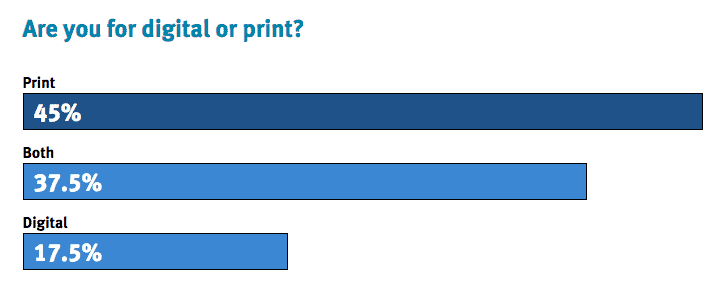
Print publications showcase glossy images and rich content to a captive audience, without requiring connectivity or battery life. Studies show readers digest print content at a slower rate and retain information better than through digital, a consideration for brands aiming to leave an impression on their passengers. A multi-platform combination of digital and print content will appease passengers, providing them with an assortment of rich, trending and engaging material across their choice of platform. Before airlines rid the seatback pockets of glossy magazines, it’s important to recognize that print media still holds its place in the passenger experience.