


easyJet to Introduce Ultra-Lightweight Mirus Seats to Boost Efficiency, Increase Legroom

Share
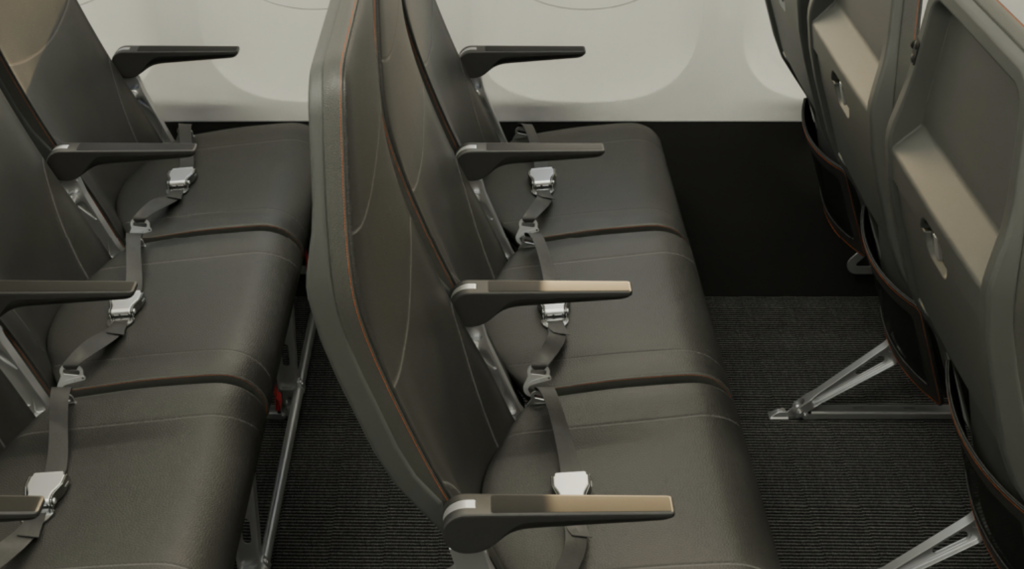
easyJet has announced plans to introduce a new generation of ultra-lightweight seats across its future Airbus A320neo and A321neo fleet, beginning in 2028. The airline will become the first to install the Kestrel seat from Mirus Aircraft Seating as part of its broader strategy to improve efficiency while enhancing the passenger experience. The move is expected to deliver significant reductions in fuel burn and emissions while offering customers up to two inches of additional legroom.
Advancing Efficiency Through Lightweight Design
The new Kestrel economy seat from Mirus Aircraft Seating represents a key step in easyJet’s effort to reduce its environmental impact through incremental efficiency gains. Weighing more than 20 per cent less than the airline’s current seats, the design will deliver a weight saving of up to 500 kilograms (1,102 pounds) per aircraft on A321neo models, directly contributing to lower fuel consumption.
Across easyJet’s planned 237 Airbus A320neo and A321neo aircraft deliveries, the impact is expected to be significant. The airline estimates annual fuel savings of more than 12,900 tons, which translates into a CO2 reduction of over 40,000 tons each year. These improvements highlight how incremental changes to cabin interiors can combine to deliver measurable environmental and operational benefits.
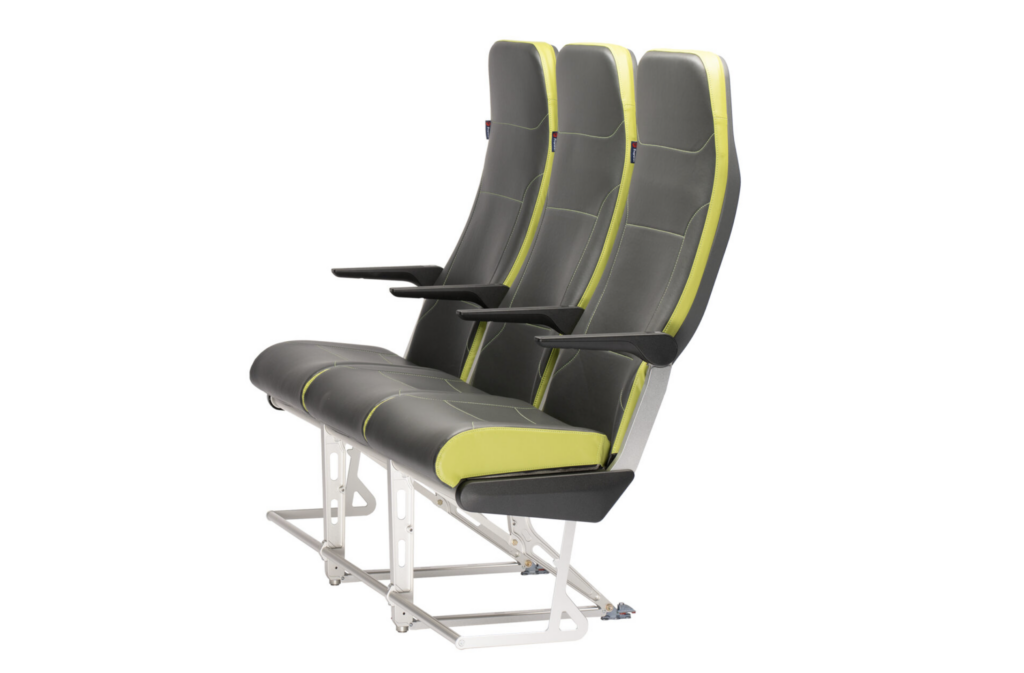
Mirus Aircraft Seating claims Kestrel is the lightest seat in its class, enabled by an advanced lightweight frame designed for short- to medium-haul operations. The ergonomic design increases usable space, providing additional legroom without changing the seat pitch, while a pre-reclined structure improves knee and leg clearance.
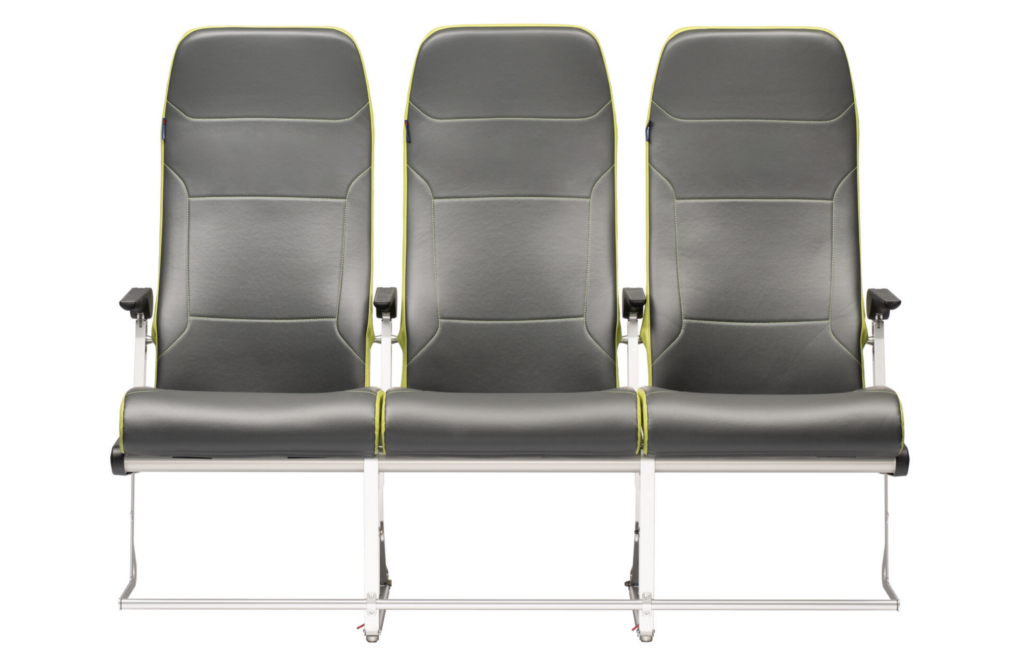
The seat has been engineered with durability and sustainability in mind. A simplified structure with fewer components reduces maintenance requirements and supports long-term reliability. At end of life, approximately 98 per cent of the seat is recyclable, helping reduce waste and support more sustainable operations.
Development and testing of the seat type took place at Mirus’ UK-based MTEST facility, one of the largest commercial testing centers of its kind. Conducting certification testing in-house reduced both development time and the environmental impact associated with transporting components for external testing.
“We are delighted to be introducing the Mirus Kestrel seat across our future fleet. This investment supports our continued focus on making our operations as efficient as possible, capitalizing on small incremental gains that result in meaningful reductions in fuel burn and CO2 emissions,” said easyJet Chief Operating Officer David Morgan. “On top of the sustainability benefits, the additional legroom and enhanced comfort these seats will provide will also deliver an improved onboard experience for our customers, which we know they’ll love.”
Enhancing Passenger Comfort While Supporting Sustainability
The design reflects a broader shift in cabin interiors, where airlines are balancing efficiency gains with customer experience enhancements. By improving space and comfort without increasing cabin footprint, easyJet can deliver a better onboard experience while maintaining its operational model.
“Mirus is incredibly proud that easyJet, the UK’s largest airline and one of the world’s leading carriers, has placed its trust in us for what represents one of the largest single-model aircraft seat awards ever. This landmark agreement marks a defining moment for Mirus and reflects our shared commitment to enhancing passenger experience and comfort, while delivering sustainability and significant operational cost savings through reduced fuel burn and CO2 emissions,” said Mirus Aircraft Seating CEO Ben McGuire.
Elsewhere, starting this year easyJet is enhancing a number of its 180-seat A320ceo aircraft with Airbus’ SpaceFlex rear galley and lavatory arrangements, which facilitates the installation of an extra row of seats on each aircraft, helping further reduce easyJet’s carbon intensity per passenger with no loss of passenger comfort.
These seating changes forms just a small part of easyJet’s broader strategy to combine multiple efficiency measures into a cohesive approach to sustainability. As well as replacing its older A319 and A320ceo models with more efficient A320neo and A321neo aircraft, which offer at least 13 per cent greater efficiency and reduced noise levels, easyJet is deploying additional initiatives as part of its net zero pathway.
These include lighter paint systems, digitized flight manuals to reduce onboard weight, and operational measures such as single-engine taxiing and optimized taxi fuel calculations. Sharklet upgrades, which reduce drag and fuel consumption, and the adoption of advanced navigation systems like FANS-C, also continue to support more efficient operations across the network. Ground operations are also being optimized through reduced auxiliary power unit usage and pre-conditioned air systems, lowering emissions during aircraft turnaround.
Together, these initiatives demonstrate how airlines are advancing sustainability through a combination of engineering, operational, and design improvements. Rather than relying on a single breakthrough, easyJet is focusing on cumulative gains that deliver measurable impact over time.