


Immfly, Wizz Air & gateretail Launch Integrated Digital Cabin Ecosystem

Share
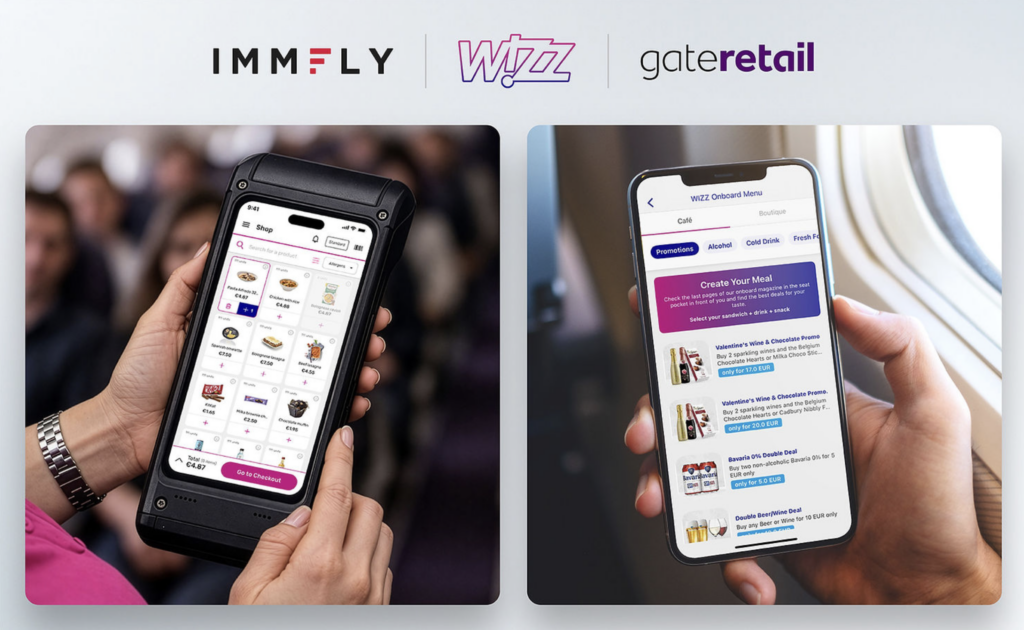
Immfly, Wizz Air, and gateretail have launched an integrated digital cabin ecosystem that brings together onboard retail, passenger connectivity, and operational data into a single platform. The rollout marks a major step in Wizz Air’s digital transformation, shifting cabin operations from siloed systems into one unified, data-driven environment. It also reflects a wider shift in the industry, wherein airlines are using connectivity and data to boost revenue, improve efficiency, and make decisions in real time.
A New Model for the Integrated Digital Cabin
For years, retail, connectivity, and operational tools have operated in silos, limiting innovation and creating friction across the passenger and crew experience. Bringing these elements together into one platform gives airlines a consistent, end-to-end view of operations, simplifies workflows by reducing manual processes and enables carriers to make faster, more informed decisions, which Immfly said benefits directly impact cost control and revenue performance.
“By unifying retail, connectivity, and operational intelligence […] we’re creating a smarter, more efficient environment that delivers value for passengers, crew, and the airline from day one.”
– Fernando Guinea, Immfly
In developing the solution, Wizz Air brought real-world insight from its high-frequency operational model to the table; gateretail brought expertise in retail strategy and passenger behavior; and Immfly translated those inputs into a unified digital architecture. The result is a platform designed around measurable outcomes, including faster service, stronger retail performance, and improved data visibility.
Immfly President Fernando Guinea stated, “By unifying retail, connectivity, and operational intelligence, we’re not just digitizing the cabin, we’re creating a smarter, more efficient environment that delivers value for passengers, crew, and the airline from day one,” he said.
Enhancing Passenger Experience Through Smarter Retail
At the center of the rollout is the fleetwide deployment of Bluetooth-enabled in-seat ordering across more than 260 Airbus A320 and A321 aircraft. Passengers who download the airline app before the flight can browse and purchase food, beverages, and boutique items directly from their personal devices, even without internet access.
Immfly said this addresses a key challenge in short-haul flying, where limited service windows often result in missed sales opportunities. In-seat ordering allows passengers to browse the full airline offering and place orders at any point during the flight through a familiar digital interface.
For the crew, the impact is immediate. Orders are centralized, stock levels are visible in real time, and service becomes more structured and efficient. This reduces pressure during peak periods and improves overall service flow.

A key advantage of the platform is its ability to enable transactions and content purchases without traditional internet connectivity. By handling browsing, ordering, payment tokenization, and content delivery locally onboard, airlines can capture sales during the flight and complete transactions once the aircraft reconnects on the ground, ensuring consistent retail performance.
Interestingly, the system is built around real passenger behavior. It looks at when people browse, what they buy, and where sales drop off, and uses that to shape how the platform works and how products are shown. Over time, Immfly said this data helps airlines refine product selection, improve stock planning, and increase conversion.
“In-seat ordering by Bluetooth represents an important breakthrough for both passengers and airline partners. It gives passengers a more seamless way to shop the onboard offer, while giving crew real-time visibility to support efficient fulfilment,” said gateretail VP Jose Lirio.
Connectivity Trial Adds Another Dimension
At the same time, Wizz Air’s six-month trial of low-bandwidth in-flight connectivity (IFC), provided by Iridium’s global satellite network and powered by Immfly’s Equilux server across five UK-based aircraft, adds the ability for passengers to use messaging services like WhatsApp, make content purchases via the wireless in-flight entertainment system, and to see real-time flight information and destination-related content.
While the trial takes place, payment authorization will take place live, reducing declined payments and overall costs for Wizz Air. Immfly argued this setup, where everything is properly integrated, means airlines can still offer useful digital services using only low-bandwidth connectivity, which comes at a more accessible price point for low-cost carriers than full-blown IFC.
Driving Operational Efficiency
Beyond passenger-facing features, the new digital integrated cabin ecosystem introduces real-time data sharing between the cabin and cockpit, which Immfly said can influence provisioning, weight and balance planning, and how service is managed during delays or turbulence. Over time, it is predicted that this visibility will contribute to better efficiency, reduced fuel use, and smoother day-to-day operations.
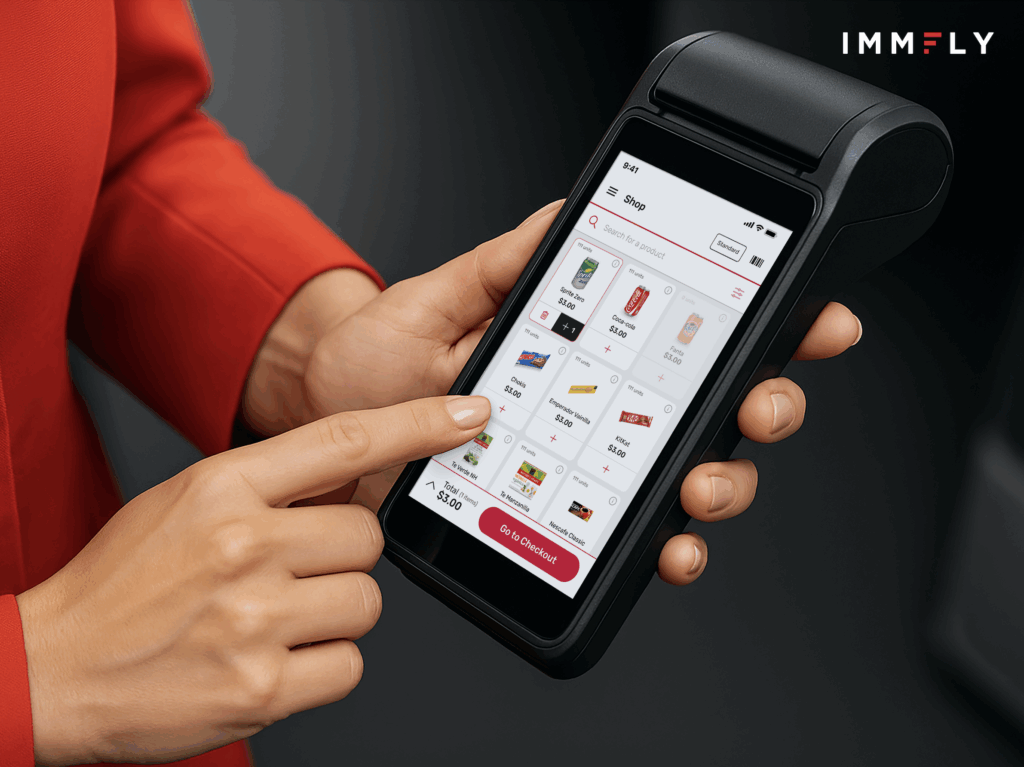
Immfly measures success across three key areas: passenger engagement, commercial performance, and operational efficiency. It revealed that early indicators on the usage of its ecosystem include higher connection rates, stronger conversion, faster service flows, fewer manual tasks, and improved stock accuracy. When crew report that the system simplifies their work and airlines see measurable revenue gains, the value becomes clear, the company added.
“This launch is about rethinking what the onboard experience looks like in a low-cost environment. We are investing in smart, scalable technology that gives customers more control and more choice, from ordering at their seat to staying connected in the air. At the same time, it helps our crews deliver a faster, more seamless service. We are constantly exploring smarter ways to operate our fleet and deliver more for our customers, and this is a clear example of that approach in action,” said Wizz Air Chief Commercial Officer Ian Malin.
“In-seat ordering by Bluetooth […] gives passengers a more seamless way to shop the onboard offer, while giving crew real-time visibility to support efficient fulfilment.”
– Jose Lirio, gateretail
Unlocking Future Revenue Models
The platform also changes how airlines approach revenue and digital investment. Instead of evaluating retail, connectivity, and operations separately, airlines can measure performance across the entire ecosystem, focusing on outcomes such as revenue per passenger, service efficiency, and overall operational performance.
Looking ahead, the industry is moving toward fully connected cabin ecosystems. While the technology is already in place, the next phase will depend on aligning commercial, operational, and digital teams around shared data and platforms. Immfly confirmed it is seeing strong interest from other airlines that want to take a similar integrated approach to the digital cabin. It added that its integrated digital cabin ecosystem’s modular design allows for rapid deployment across fleets with minimal hardware changes, enabling airlines to scale quickly and achieve faster time to value.
Over time, the company believes integrated digital cabin platforms could unlock new service models, including contextual offers, subscription-based services, dynamic bundles of connectivity and content, and real-time service recovery.
The results are clear: As the aircraft evolves into a digital marketplace, these capabilities open new opportunities for revenue and passenger engagement.