


The Big Deal About Big Data
Share

This article originally appeared in The Technology Issue of APEX Experience.
For centuries, businesses have been collecting data, transcribing the data, analyzing it and then using it to make decisions. Data collection is not new. What is new is the amalgamation of data across various systems, the speed with which data is collected, the analysis of data through technology and the ability to apply findings in real time. The amount of data collected has expanded exponentially, generated not only by humans, but also by the growing Internet of Things network, a myriad of connected objects and devices worldwide.
Airline Opportunity
Dave O’Flanagan, CEO of Boxever, a master data management system, believes airlines have a huge opportunity to integrate data they have been historically collecting in silos to enhance passenger experience. “Airline website activity has always been tracked,” O’Flanagan explains. “E-mail systems, mobile systems, booking systems, transactions databases, et cetera, are all collecting customer information but much of it gets thrown away.” When an airline is utilizing this big data in real time they can personalize a website landing page in milliseconds, based on either a customer login or past activity on the website. “There is an enormous opportunity for airlines to use big data to understand customers and then use the rich data they’re collecting to communicate with those customers. Opportunities extend from booking to retail to in-flight. New technology requires a new set of [skills resulting in] remarkable human-to-human [customer service] experiences.”
Airlines can offered tailored service in flight.
Power of Suggestion
Big data is used, for example, if a passenger has booked a ski holiday with another adult: An airline website can automatically generate the suggestion of a small, trendy vehicle with snow tires, different from what it would generate from a booking for two adults with two children, or if the holiday were to a beach resort. In addition, if the snow is not looking as good as expected as the holiday approaches, perhaps the passenger receives an e-mail with some suggestions for other activities at their destination. Personalized service continues so that once the passenger’s mobile phone geo-locator has indicated their arrival at the airport, the offer of a nearby airport restaurant special is delivered to the phone. After check-in, the passenger will be able to track his or her own baggage, gaining the peace of mind that it’s on the correct flight. The airline can continue this tailored service in-flight through retail offerings relevant to the passenger, who likely has similar needs to other passengers on the flight who may also be heading to the same ski destination. These offers or travel tips could be generated through the personalized in-flight entertainment system so the passenger can browse them at their leisure. Big data connects the passenger, the airline and the aircraft, resulting in an exceptional passenger experience and customer loyalty.
Data Mining
Collecting personalized data about individual customers allows airlines the opportunity to provide a unique and human experience when faced with issues. If a passenger has missed a connection or lost their luggage, in-flight staff can be alerted quickly to proactively deal with the customer; a poor experience can swiftly transition to a positive one. Big data also provides tools for tactical marketing campaigns such as choosing passengers with influential social-media profiles and offering them exclusive experiences. Airlines can track how a customer shares the brand over social media and that information joins the database of big data to be analyzed.
“Big data helps airlines understand the value of a customer,” says Helen Porter, vice-president, Portfolio Management, Passenger Solution Line for SITA. She explains that airlines determine value differently from one another. Some airlines place emphasis on spend while others focus on travel frequency or most recent service. Having this data allows airlines to prioritize valued customers should there be a service disruption, and to offer customers of varying value recommendations at different levels for retail purchases, future travel and other resources.
“Everybody wants to talk about data but many people don’t know how to use it,” says Porter. “We’re now unleashing the power of data that’s been there all along.” SITA specializes in air transport communications and information technology and the introduction of big data has seen their teams analyzing data that has existed in silos for many years. The recognition of big data, and shifting the way it is managed, takes advantage of historic information stored on servers. It allows companies to present their data in a way that is understandable and translatable for business leaders, allowing them to access these insights from anywhere and ultimately make more informed decisions.
“Everybody wants to talk about data but many people don’t know how to use it. We’re now unleashing the power of data that’s been there all along.”
Flow Management
Airports are also playing a role in the big data shift. They are using data collected by mobile geo-locators to determine where bottlenecks are occurring as passengers make their way to their gates. They can make key decisions about where to add staff, open retail opportunities or provide additional services based on actual data being produced by the flow of passengers and analyzed in close to real time, if not immediately.
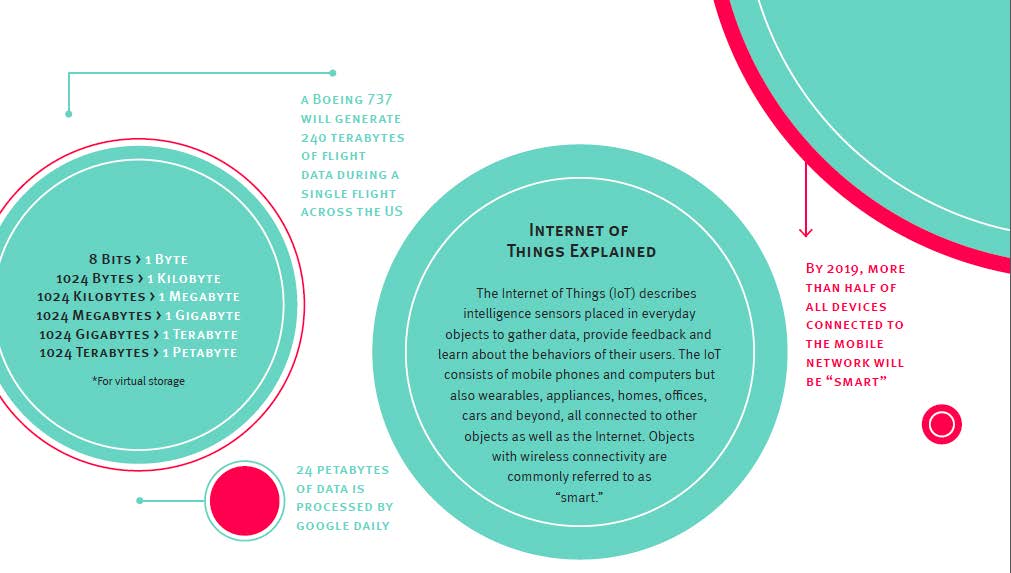
By unlocking and understanding the mountains of data compiled through the booking process and as passengers move through the airport, airlines can be well informed on passenger habits, preferences and even personal details like birthdays. But how do airlines utilize this data to delight passengers, rather than sparking the Big Brother effect?
Comfort Zones
“To find out if you’re using big data correctly you can actually return to big data,” explains Porter. “Through social media [data], if someone has felt uncomfortable, you’ll hear about it. It’s all about being in touch with your customers. The way you use data should enhance a passenger’s experience, not detract from it.”
“Trust is a big thing,” acknowledges O’Flanagan, “and this is where brand plays a strong role. Many passengers are happy to share data in exchange for a personalized experience, particularly younger generations. We are willing to share information with companies that we trust and a lot of airlines have high brand equity. So it is up to airlines to use this information correctly to entice customers, as opposed to drive them away.”
The application of big data has potential to result in a smoother travel experience from booking to destination by giving airlines tools to build relationships with passengers. Networked systems and the growing data collection within the Internet of Things can unearth patterns and inefficiencies. “Ultimately,” says O’Flanagan, “airlines using big data should be a win-win. It should result in customers getting less [spam] e-mails and more targeted, personalized information and experiences. Big data compiles the tools that allow airlines to be proactive, moving away from the one-size-fits-all model of travel and creating unique and delightful travel experiences for each passenger.”