


The Cabin, on Your Terms: Six Ideas Reshaping the Passenger Experience

Share
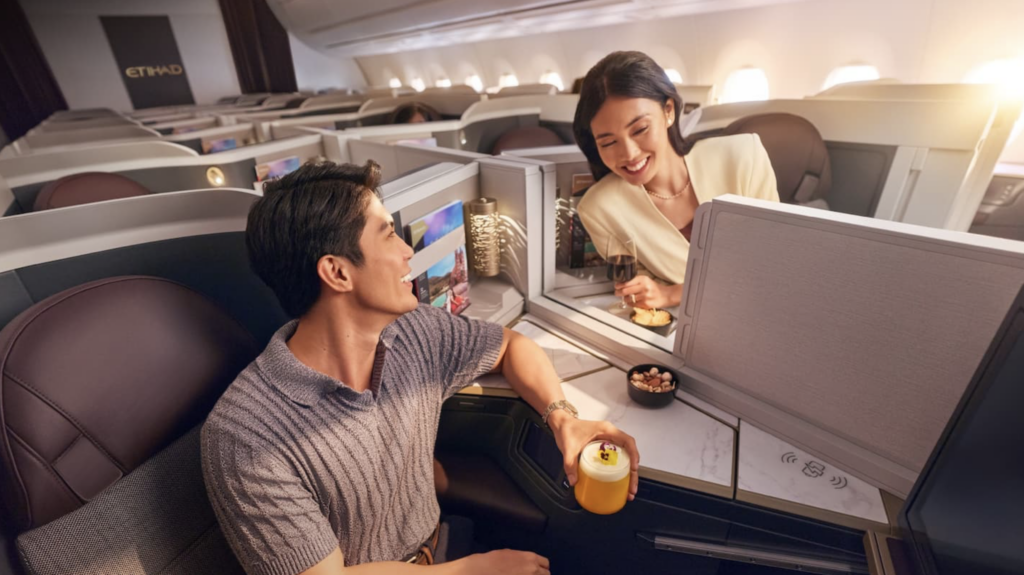
From private suites and quieter service to Vietnamese fragrances and ordering from a phone, six Innovation in Cabin entries highlight how airlines are making the passenger experience more personal.
A meal arrives when you are hungry. A cabin announcement does not interrupt your rest. A private suite allows you to move from an armchair to a bed without having to rearrange your personal space. Some of the most important cabin innovations focus on a simple goal: giving passengers more control over their inflight experience.
The six entries in the Innovation in Cabin category of the APEX Innovation Awards approach this goal in different ways. Air France and Saudia are rethinking personal space and cabin design. Etihad Airways is focusing on creating a quieter and more relaxing environment. HK Express and ZIPAIR are using technology to make onboard ordering more convenient, while Vietnam Airlines is introducing fragrances inspired by Vietnamese culture.
Together, these entries demonstrate how cabin innovation goes beyond new seats and technology. It also includes how airlines deliver service, create a comfortable environment, and give passengers more flexibility throughout their journey.
Air France: A New Approach to First-Class Comfort
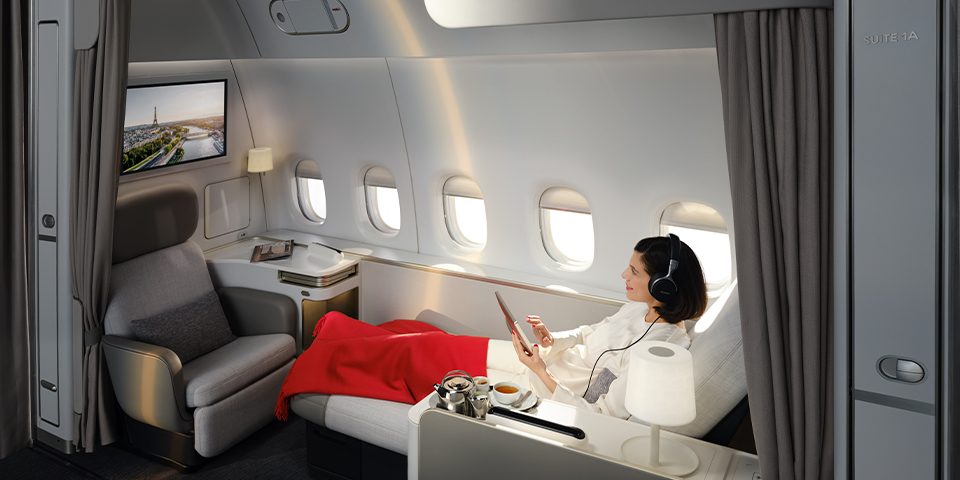
Air France’s new La Première cabin gives passengers more flexibility in how they use their personal space. Each suite includes an armchair and a separate chaise longue that extends into a 6.6-foot bed, allowing passengers to dine, relax, and sleep in different areas of the suite.
The four-suite cabin offers nearly 38 square feet of personal space per passenger. Each side suite features five windows, while the two center suites include an electrically operated partition for passengers traveling together. Floor-to-ceiling curtains provide additional privacy, while floor-level storage replaces traditional overhead compartments, creating a more open cabin environment.
“The launch of our new La Première experience is a major step in our strategic roadmap,” Air France-KLM Group CEO Benjamin Smith said during the unveiling.
Passengers can also use a wireless tablet to control their seat, lighting, window shades, and inflight entertainment. These features allow travelers to personalize their surroundings without having to request assistance from the cabin crew.
Combined with Air France’s airport services and dining experience, the new La Première cabin demonstrates how airlines are continuing to invest in premium travel. Its biggest advantage is giving passengers more space and flexibility to enjoy different activities throughout their flight.
Etihad Airways: Creating a Quieter Cabin Experience
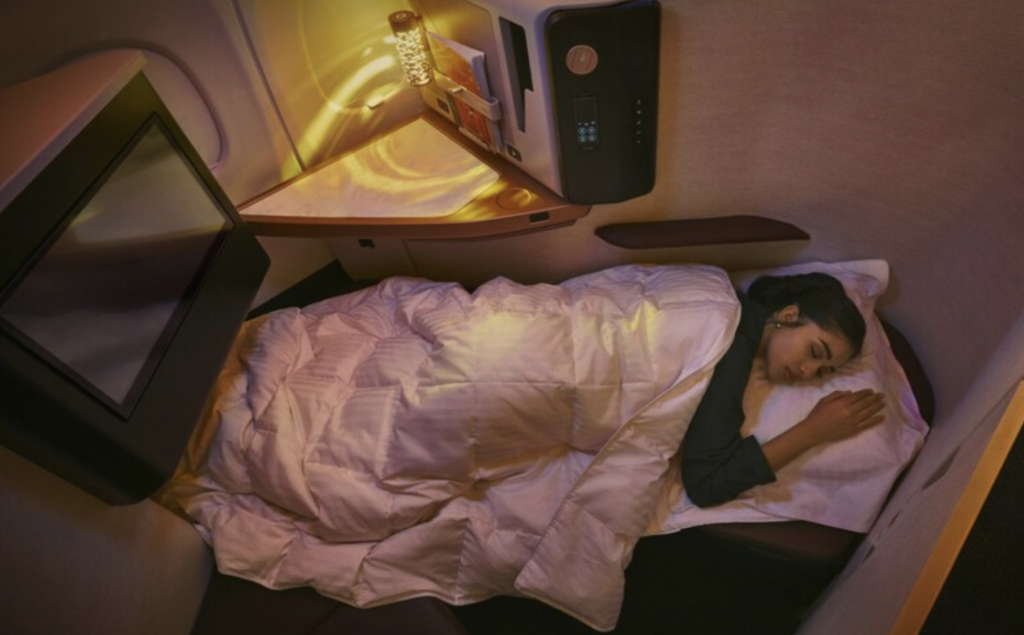
Etihad Airways’ Quiet Cabin initiative focuses on reducing unnecessary interruptions and creating a more comfortable environment for passengers who want to rest during their flight.
The initiative emphasizes more thoughtful cabin service and fewer non-essential announcements, allowing passengers to enjoy a quieter onboard experience.
Quiet Cabin is part of Etihad Wellbeing, the airline’s broader effort to improve passenger comfort across its lounges, dining, amenities, bedding, and inflight entertainment. While the overall program includes several aspects of the journey, Quiet Cabin specifically focuses on making the onboard environment less disruptive.
“Etihad Wellbeing is our commitment to making the flying experience as restorative and restful as possible,” said Etihad Airways Vice President Product and Hospitality Jyotsna Chowdhry when the broader program was introduced.
The initiative highlights how improving the passenger experience does not always require introducing new technology or changing the cabin interior. Sometimes, it involves adjusting how services are delivered.
For passengers hoping to sleep or relax, fewer interruptions can make a meaningful difference. For airlines, the initiative shows the importance of coordinating cabin service and understanding when passengers may prefer not to be disturbed.
HK Express and Inflight Dublin: Making Onboard Ordering More Convenient
HK Express’ Cabin Connect service allows passengers to browse and order onboard products directly from their personal devices instead of waiting for traditional trolley service.
Passengers connect to the HKExpress onboard network, scan a QR code, and access a digital platform featuring food, beverages, selected retail products, and flight information.
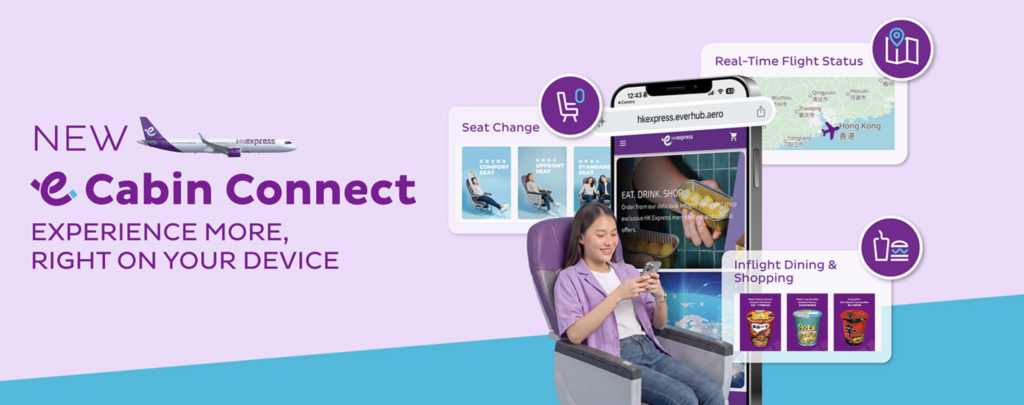
The service uses Inflight Dublin’s Everhub platform, with Softspace providing the point-of-sale payment solution, according to the company’s APEX submission. Passengers do not need to download an application or have an internet connection to access the platform. Instead, the system operates through the aircraft’s local onboard network, which does not provide general internet browsing.
“Passengers order when they are ready, not when the trolley arrives,” Inflight Dublin stated in its APEX submission.
Once a passenger places an order, the request is sent to the cabin crew along with the passenger’s seat information. Crew members then confirm the order, collect payment, and arrange delivery, depending on product availability. Passengers can also change or cancel their requests through the service page.
Unlike platforms that require payment when an order is initially placed, Cabin Connect allows the crew to confirm the request before completing the transaction.
HK Express says Cabin Connect is available on most of its aircraft. The service gives passengers more time to browse available products and decide what they want without having to wait for the trolley.
For the airline, the platform creates a more direct connection between passenger demand and cabin service, showing how digital technology can make onboard retail more convenient and flexible.
Saudia: Bringing Premium Comfort to a Single-Aisle Aircraft
Saudia’s Airbus A321XLR cabin introduces a premium long-haul experience on a single-aisle aircraft, demonstrating how airlines are expanding passenger comfort beyond traditional widebody aircraft.
Airbus confirmed delivery of Saudia’s first A321XLR in May 2026. The aircraft features 24 fully flat business-class seats with direct aisle access and 120 economy-class seats.
One of the cabin’s most distinctive features is its two companion suites at the front of business class. According to cabin designer DesignInvestment, these suites include a sofa-style buddy seat, a larger dining area, extended bed functionality, and a 27-inch entertainment monitor.
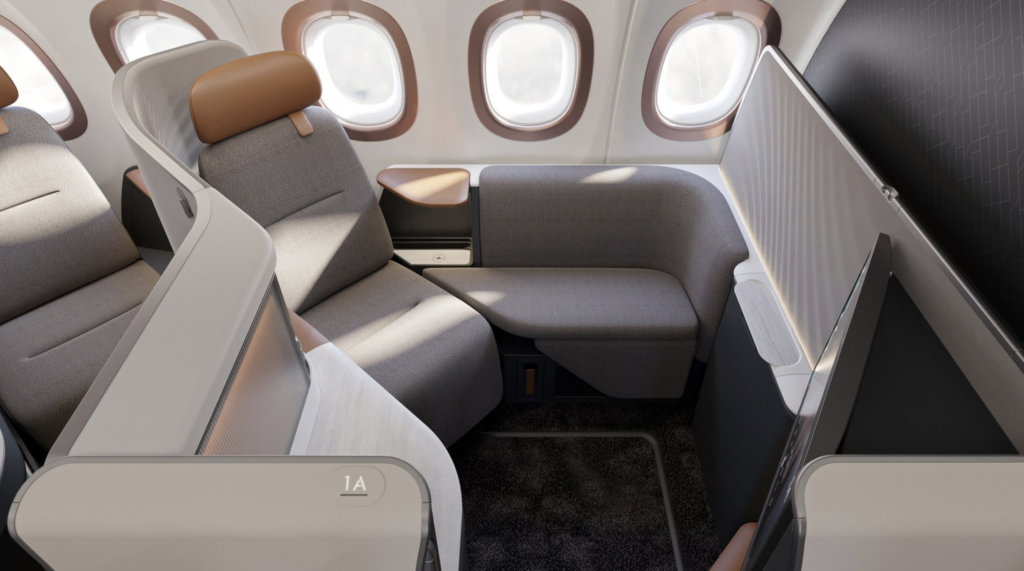
The design allows passengers traveling together to spend time together while still enjoying the privacy and comfort of an individual suite.
DesignInvestment describes the cabin interior as “inspired by the landscapes, light and cultural heritage of Saudi Arabia.”
The design includes an Alula-inspired accent color, coordinated carpeting, and lighting that reflect the airline’s identity throughout both cabins. Different colors and materials also help distinguish the premium seating areas.
Saudia’s A321XLR cabin highlights how airlines are bringing features traditionally associated with larger long-haul aircraft to smaller aircraft. Fully flat beds and direct aisle access provide greater comfort on longer flights, while the companion suites create additional opportunities for passengers traveling together.
The design also demonstrates how airlines can make better use of limited cabin space while continuing to improve the premium passenger experience.
Vietnam Airlines: Bringing Vietnamese Culture Onboard Through Fragrance
Vietnam Airlines’ NHÃ, also known as LotuScent, introduces a new way for the airline to reflect Vietnamese culture through the passenger experience.
Developed with Vietnamese fragrance artist Rei Nguyễn, the program uses fragrances inspired by the lotus flower, one of the airline’s most recognizable symbols. Rather than using the same fragrance throughout the journey, Vietnam Airlines has developed different combinations for specific areas of its service.
According to the airline’s APEX submission, the business lounge features a combination of lotus and Vietnamese black tea. Inside the aircraft cabin, the fragrance combines lotus with Thái Nguyên green tea and Làng Vòng green rice. The lavatory fragrance includes lotus, Đoan Hùng pomelo, and Lai Vung mandarin.
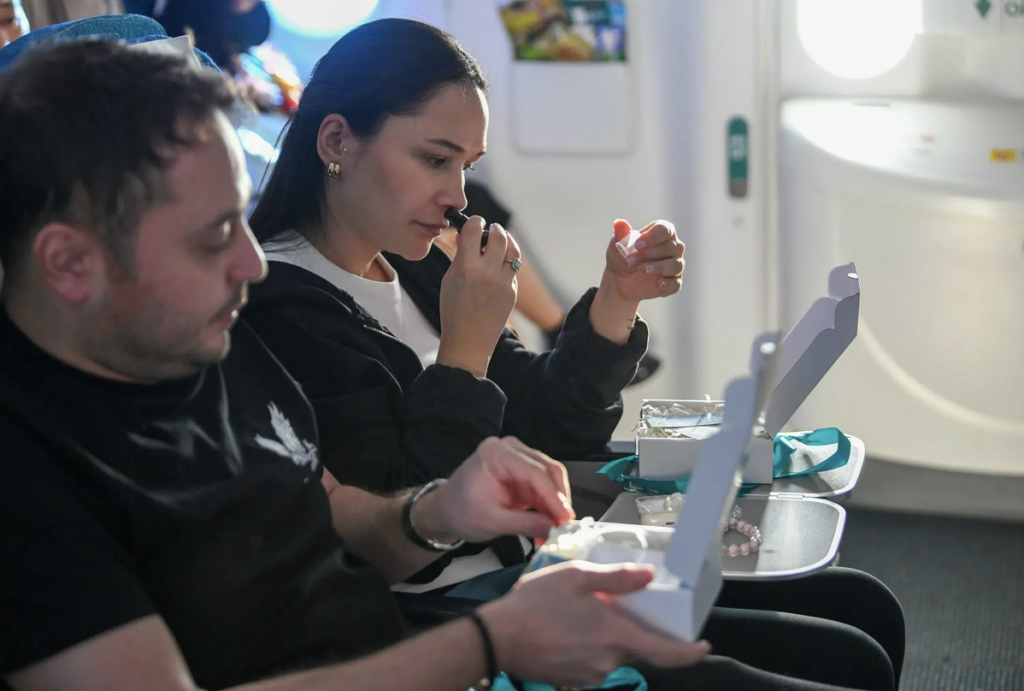
These combinations highlight different ingredients and regions of Vietnam, helping the airline bring elements of the country’s culture and identity into the travel experience.
“Beyond tangible comforts, we aim to create emotional and sensory connections that embody our brand,” Vietnam Airlines Executive Vice President Dang Anh Tuan explained in the airline’s Heritage publication.
The cabin fragrance is incorporated into welcome and farewell moments, making it part of the airline’s overall hospitality experience.
For passengers, the program introduces another way to experience Vietnamese culture while traveling. For Vietnam Airlines, it provides an opportunity to create a more recognizable brand identity across different parts of the journey.
The initiative demonstrates how airlines are exploring new ways to personalize the passenger experience beyond traditional cabin products and services, while recognizing that fragrance preferences and sensitivities can differ among passengers.
ZIPAIR: Connecting Passenger Orders With Cabin Crew
ZIPAIR’s AltoNex system focuses on making onboard ordering more convenient for passengers while improving how cabin crew manage requests, payments, and inventory.
Passengers can browse available products, place orders, and complete payments through a browser-based portal on their personal devices. Once payment is completed, the order is sent directly to the cabin crew’s application, which identifies where the requested items are stored. Inventory information is also updated as purchases are processed.
“They choose when and what to order, without the pressure of an approaching trolley,” ZIPAIR stated in its APEX submission.
According to ZIPAIR, a typical long-haul flight handles approximately 300 onboard orders and 200 preorders, with seven to eight cabin crew members serving an aircraft with 290 seats.
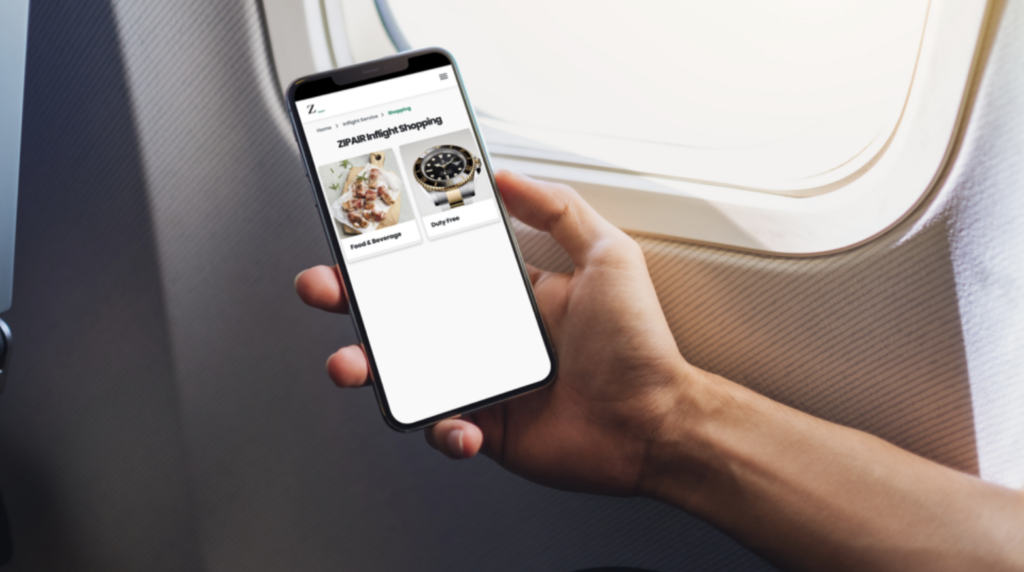
According to ZIPAIR, the AltoNex system has the potential to reduce cabin crew and trolley movement by more than 70% during ad-hoc onboard services. This figure is based on information provided by the airline and has not been independently verified.
Another feature of AltoNex allows the airline to make preordered meals available for purchase if the original passenger does not board the flight. This gives other passengers the opportunity to purchase those meals while helping the airline make better use of available inventory.
Unlike a basic digital menu, AltoNex connects passenger orders with the process of preparing and delivering products onboard.
For passengers, the system provides more flexibility in deciding when and what to purchase. For cabin crew, it helps organize requests and track inventory, reducing the need for repeated trips between passenger seats and the galley.
ZIPAIR’s approach highlights how technology can improve both the passenger experience and the operational side of inflight service.
The Future of Cabin Innovation
These six entries demonstrate how airlines are continuing to find new ways to improve the passenger experience through cabin design, technology, and service.
While each initiative takes a different approach, they share a common goal of making the journey more comfortable, convenient, and personalized.
Air France and Saudia are introducing new ways for passengers to use their personal space. Etihad Airways is focusing on creating a more relaxing environment, while HK Express and ZIPAIR are using digital platforms to give passengers greater control over onboard service. Vietnam Airlines is bringing a new cultural element to the inflight experience through fragrance.
On November 11, 2026, APEX invited members of the Crystal Cabin Award jury to contribute their independent expertise to the selection of the APEX Innovation Awards winners. Their expertise could provide additional industry perspectives on innovation, passenger benefits, and the practical applications of new products and services.
Together, these entries highlight how cabin innovation is not only about introducing new features but also about improving how passengers experience their journey. As airlines continue to invest in new products and services, the focus will remain on finding ways to give passengers greater comfort, convenience, and control throughout their flight.