


AIX 2026: Geven Expands Wizz Air Partnership with Lightweight A321neo Seating Program

Share
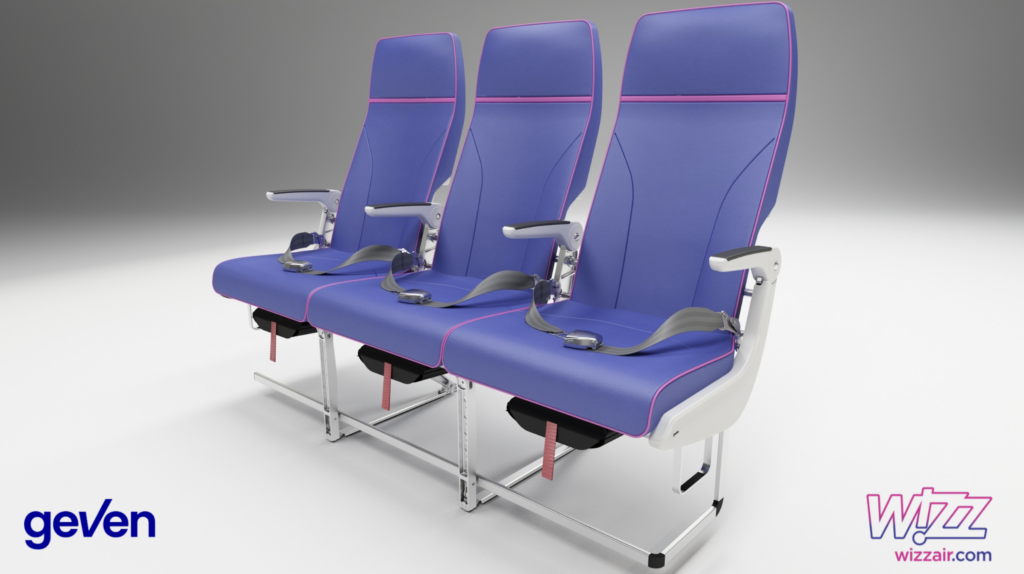
At Aircraft Interiors Expo (AIX) 2026, Geven announced a major expansion of its long-standing partnership with Wizz Air, focused on a new seating program for the airline’s Airbus A321neo fleet. The agreement covers nearly 200 shipsets and close to 45,000 seats, marking one of the largest single-aisle seating investments in the market.
Lightweight Design Drives Efficiency and Scale
The agreement centers on Geven’s Eva seat, a lightweight design built for high-density narrowbody aircraft. Wizz Air’s choice reflects a broader strategy to improve efficiency while keeping a consistent onboard experience across its growing fleet.
The scale of the program is significant. With nearly 200 shipsets planned, the rollout will equip a large portion of Wizz Air’s incoming Airbus A321neo aircraft, ensuring consistency across cabins as the airline continues to expand. For an airline focused on high utilization and dense seating, this kind of standardization is key for both operations and the passenger experience.
Eva is positioned as one of the lightest seats in its category, a key factor in reducing overall aircraft weight. That leads to lower fuel burn and emissions, both key priorities for Wizz Air as it expands its network.
The seat is also designed to be simple and durable. Its lightweight structure reduces complexity and helps lower maintenance costs over time, supporting the airline’s focus on efficiency.
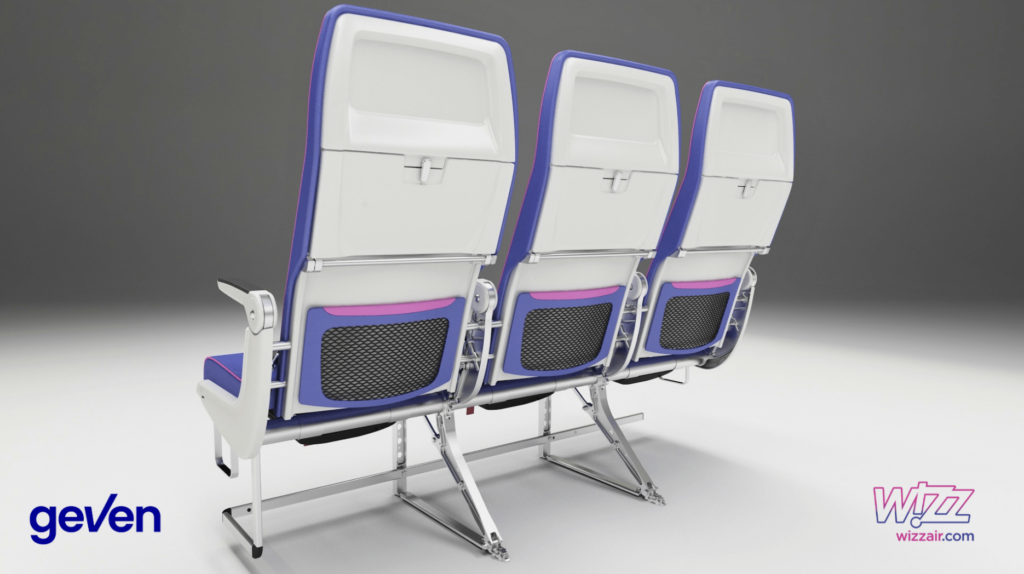
This approach shows a growing trend in the industry. Airlines are looking at cabin products not just for comfort or design, but for how they impact overall costs. Seating, as one of the biggest sources of weight in the cabin, plays a major role in that.
By selecting a lightweight solution at scale, Wizz Air is reinforcing its position as a carrier focused on cost efficiency while still investing in updated cabin products. The A321neo aircraft, already known for its fuel efficiency, further amplifies these benefits when paired with lighter cabin interiors.
Wizz Air Supply Chain Officer Julia Brix, emphasized this balance. “Lightweight design and emission reduction are key priorities for Wizz Air, and this solution meets both without compromise,” she said. “By choosing Eva for our A321neo fleet, we confirm our focus on innovative cabin solutions that enhance efficiency while maintaining high passenger comfort standards.”
Passenger Comfort and Cabin Design in High-Density Configurations
While efficiency is a central driver, the Eva seat is also designed to address the challenges of passenger comfort in high-density cabins. As airlines continue to increase seat counts on narrowbody aircraft, maintaining comfort becomes more complex.
Geven’s approach focuses on making better use of available space. The seat includes a patented composite backrest that creates more knee room, helping passengers feel more comfortable without taking up extra space. It also uses a lightweight cushion instead of a traditional seat pan, which reduces weight and improves support on longer flights.
The design focuses on using space more effectively rather than just adding padding. The goal is to create a more comfortable experience without increasing size or weight.
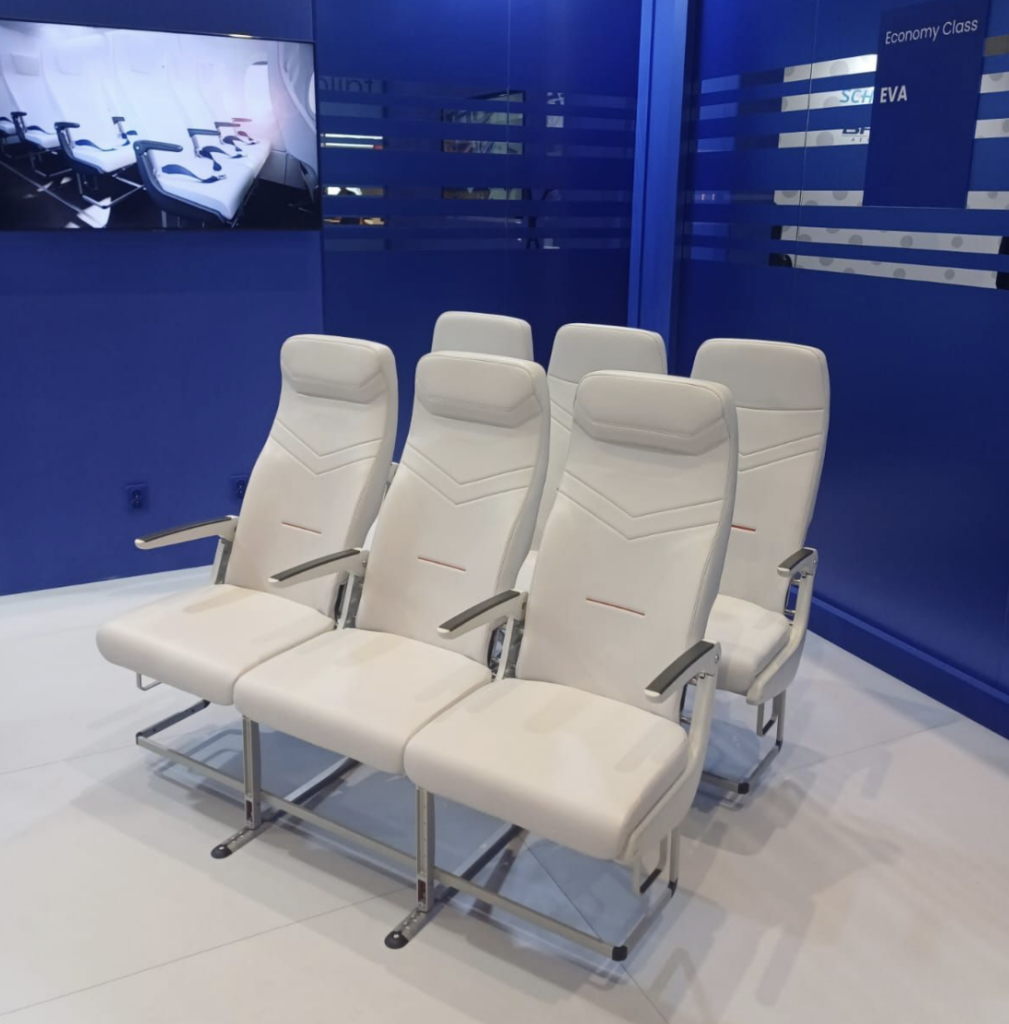
Together, these features show a move toward smarter design instead of just adding more padding. The focus is on using space better and improving how the seat feels for the passenger.
Geven Sales and Business Development Manager Pasquale Rapullini, highlighted this design philosophy. “Eva is designed to offer exceptional comfort while meeting the operational and efficiency needs of modern airlines. Collaborating with Wizz Air allows us to bring our shared vision directly into the passenger experience,” he said.
Cabin aesthetics also play a role in the overall experience. For Wizz Air, the Eva seats will feature a fully customized trim and finish aligned with the airline’s brand identity. The design incorporates bold colors and a distinctive visual style, helping create a consistent look and feel across the cabin.
This shows how important branding has become in the passenger experience. Even in high-density cabins, airlines want to stand out and reinforce their identity.
At the same time, durability is vital. Airlines like Wizz Air operate frequent flights with quick turnarounds, which puts more pressure on the cabin. The Eva seat is built to handle that, combining a lightweight design with the strength needed for long-term use.