


APEX Joins Aviation Coalition Pressing Congress to Fund $30 Billion Modern Skies Act

Share
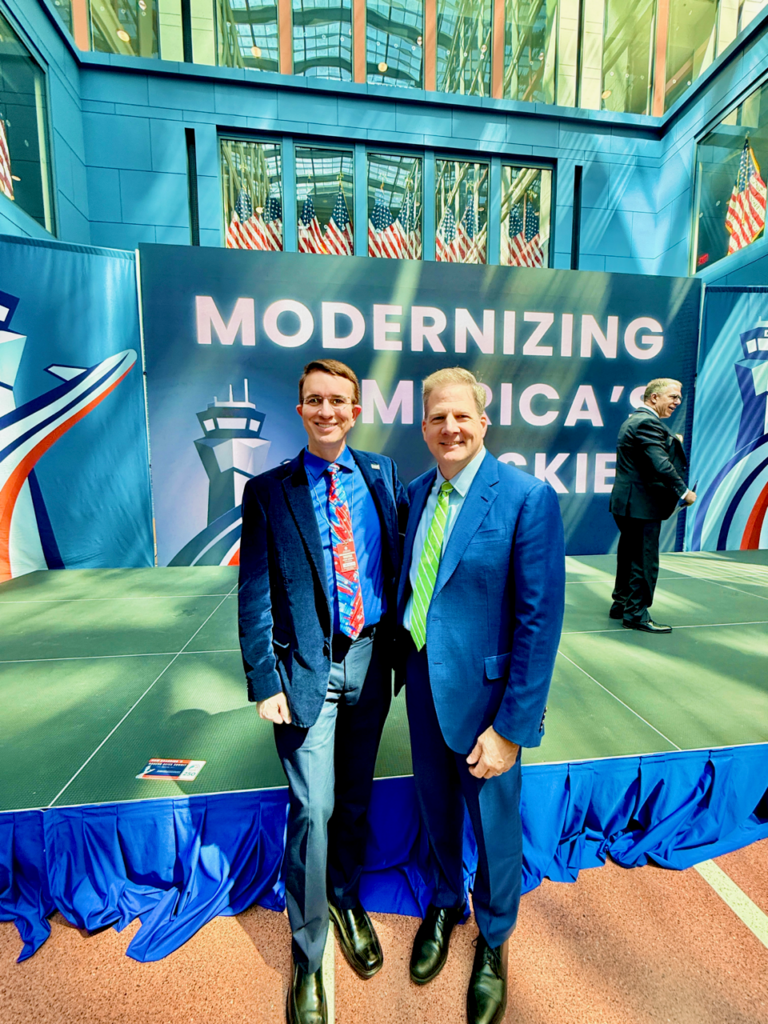
WASHINGTON, D.C. – APEX joined airline leaders and aviation manufacturers in pressing Congress to fund the Modern Skies Act, a proposed $30 billion investment designed to modernize America’s air traffic control systems, upgrade aviation infrastructure, and improve the reliability of the passenger journey.
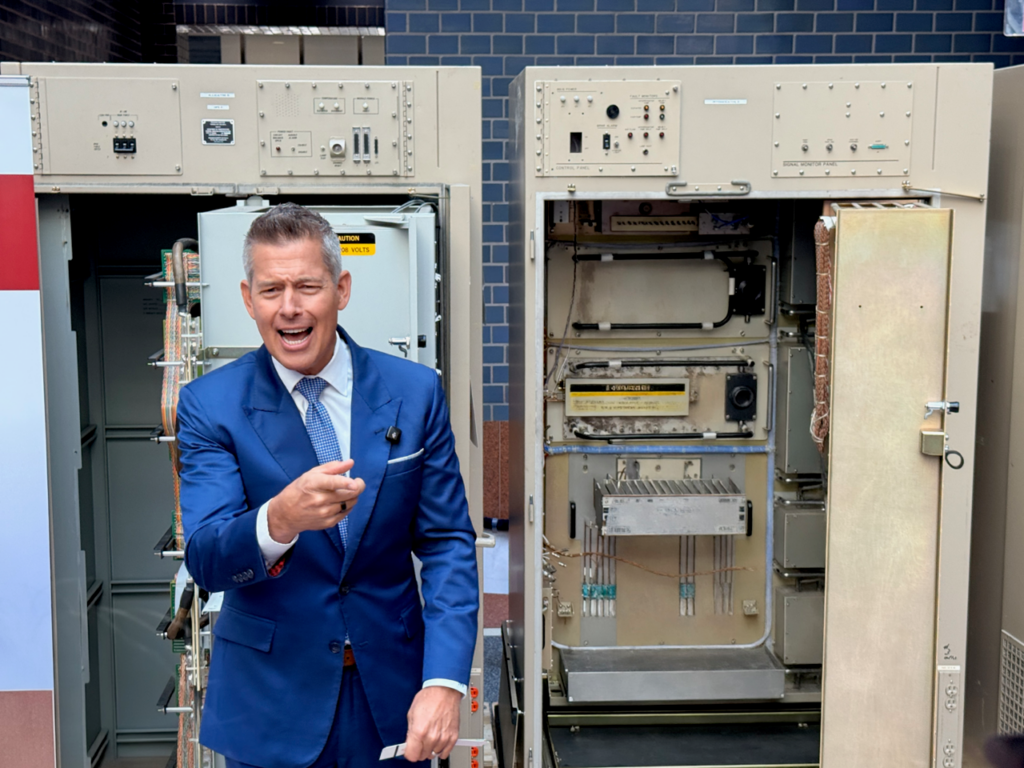
Coalition support followed the unveiling of the legislation by U.S. Department of Transportation Secretary Sean P. Duffy and Senator Eric Schmitt, with the department positioning the bill as a next stage in air traffic control modernization. Rather than treating the issue as a technical infrastructure debate alone, aviation leaders quoted in the Department of Transportation release connected modernization to passenger experience, operational reliability, safety, capacity, and the ability of the United States aviation system to support future growth.
A Passenger-Experience Case for Modernization
For APEX, the legislation carried a direct passenger-experience impact. Safety, reliability, operational resilience, airport modernization, and the personal cost of disruption shaped the organization’s support. “Passengers deserve confidence that their journey will bring them safely to their destination as planned,” APEX GCEO Dr. Joe Leader emphasized. “With our five decades of history as a global non-profit advancing airline passenger experience, APEX strongly supports the additional $30 billion investment proposed in the Modern Skies Act to modernize America’s air traffic control systems and airport infrastructure. Modern tools for controllers, resilient communications, predictive technology, and better airport facilities can reduce preventable disruptions and protect the connections that people depend upon. Every avoidable delay carries a personal cost in lost work, missed family moments, and time travelers cannot recover. We urge the U.S. Congress to act swiftly across party lines. Success must translate into measurable improvements passengers experience on every journey, with stronger safety, greater reliability, and accountable delivery.”
Major airline leaders described modernization as one of the most consequential steps available to improve safety, reliability, and efficiency in U.S. aviation. Comments from carriers focused less on abstract infrastructure and more on the operational systems that shaped whether flights departed on time, recovered quickly from irregular operations, and moved safely through congested airspace.
Airlines Push for a System Ready for Growth
“Now is the time for bold action to modernize America’s air traffic control system,” Alaska Air Group CEO Ben Minicucci urged. “We can fix the fundamentals while investing in new technology that makes our system safer, more efficient and ready for growth. Secretary Duffy and Administrator Bedford understand this, and I’m encouraged by the progress that’s been made under their leadership. Alaska Airlines strongly supports continued investment to keep that momentum going.”
Minicucci’s statement reflected a central theme across the airline comments: carriers viewed modernization as both a safety investment and a capacity investment. Today’s air traffic control system supported current travel demand while also shaping how effectively the industry could grow, recover from disruptions, and introduce new technologies.
“After decades of operating with antiquated technology, we are grateful that this administration is prioritizing modernizing our nation’s air traffic control system,” American Airlines CEO Robert Isom remarked. “We commend President Trump, Secretary Duffy, and Congress for securing a $12.5 billion down payment to begin this transformation, and we strongly support Secretary Duffy’s proposal to build out the next phase of a state-of-the-art system that will make aviation even safer and more efficient.”
Earlier funding of $12.5 billion served as the starting point, according to supporters cited in the DOT release. Airline executives characterized that investment as a down payment rather than a completed modernization program.
“A modern air traffic control system is essential to delivering the safe, reliable travel experience customers expect,” Delta Air Lines CEO Ed Bastian noted. “The Modern Skies Act would help accelerate critical investments in aviation infrastructure and technology that strengthen our national airspace system. We appreciate the leadership behind this effort and support continued investment to modernize America’s skies.”

Reliability Became the Passenger-Facing Metric
Carriers operating in constrained and high-volume airspace placed particular emphasis on the impact of modernization on delay reduction. “JetBlue has long supported the critical work to modernize our nation’s air traffic control system, and we’re eager to see that work fully funded and carried through,” JetBlue CEO Joanna Geraghty explained. “A modern, resilient system will help improve efficiency and reliability while reducing the delays and disruptions that impact millions of travelers, particularly in critical airspace like the Northeast, where JetBlue has a significant presence. We look forward to continuing to work with our government and industry partners to deliver the modern airspace system our customers and crewmembers deserve.”

“Adequate funding is vital for the U.S. to maintain the world’s safest and most-efficient air transportation system,” Southwest Airlines CEO Bob Jordan affirmed. “Southwest applauds the leadership of Secretary Duffy and Administrator Bedford in envisioning the future and taking concrete steps to make it a reality. We are seeing real progress and urge Congress to act quickly to maintain the momentum and support these much-needed improvements.”
Together, the comments from airline CEOs converged around a common operational argument. Modernization would not simply replace aging tools; it would influence the ability of airlines, controllers, airports, and passengers to navigate disruption with fewer cascading effects.
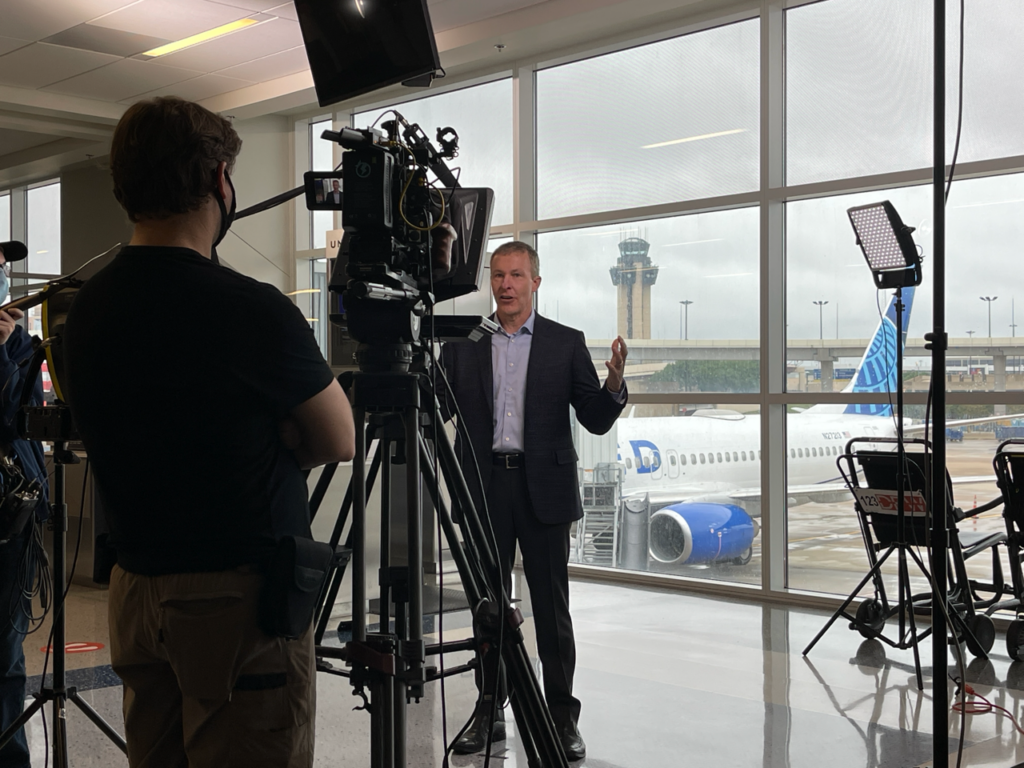
“Air traffic control technology, infrastructure, and staffing issues have been the most persistent challenges of my career and remain the single biggest drivers of delays and cancellations for our customers,” United Airlines CEO Scott Kirby declared. “No other improvement we could make to air travel would come close to the impact of modernizing this system. I encourage Congressional leaders on both sides of the aisle to provide the funding to finish the job.”
Aircraft Innovation Needed Matching Airspace Investment
Manufacturers also joined the call for modernization, with Airbus in North America Chairman and CEO Robin Hayes arguing that aircraft innovation needed corresponding investment in the systems guiding flights. “Aircraft manufacturers continue to invest in safer, smarter and more reliable planes, and we need the same investments to be made in our air traffic control system,” Hayes underscored. “The Modern Skies Act will continue the momentum already being made by taking airspace and airport modernization to the next level, and we urgently need Congress to approve these funds and make life better for the flying public.”
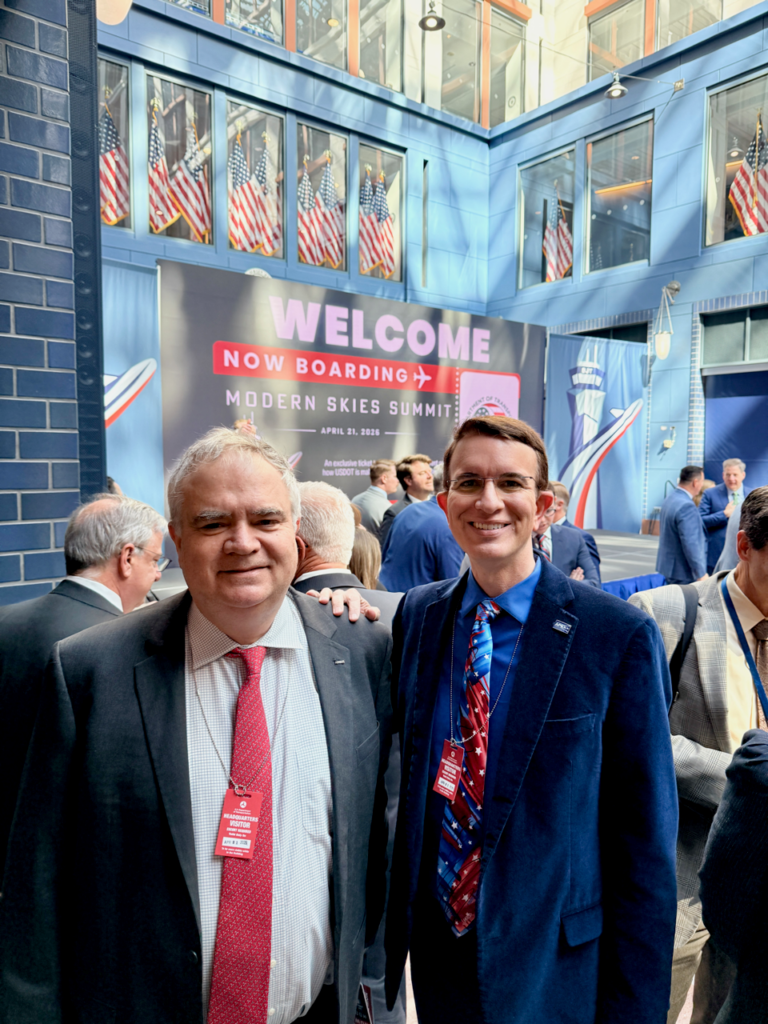
Hayes’ statement placed the proposal within a broader aviation technology shift. New aircraft, connected systems, advanced analytics, and future operational tools all depended on airspace infrastructure capable of supporting more efficient and resilient operations.
According to the DOT release, the Modern Skies Act would fund modernization of the digital architecture behind the air traffic control system, replace aging infrastructure, and support airport development. Aviation coalition comments from airline and manufacturer leaders suggested those upgrades mattered not only to controllers and operators, but also to passengers who experienced the consequences of bottlenecks, outages, staffing constraints, and outdated tools through delays and cancellations.
Modernization Beyond the Aircraft Cabin
APEX’s statement added a passenger-experience lens to the coalition’s infrastructure message. Leader’s comments emphasized that technology and facilities should not stand apart from the human consequences of flight disruption.
Passengers rarely see the digital architecture of air traffic control. In flight, they experience its strengths and weaknesses through boarding times, gate holds, airborne delays, missed connections, family disruptions, business impacts, and confidence that a planned journey will happen as scheduled.
The U.S. Congress now holds the next decision point. For travelers, the measure’s importance will ultimately depend on whether the proposed $30 billion investment produces the visible improvements long desired by airlines and travelers: safer journeys, stronger reliability, fewer preventable delays, better facilities, and a modernized airspace system capable of supporting the future of flight.