


Comfort and Ambience Strike the Right Emotions

Share

Comfort and Ambience | Education Day, APEX EXPO 2015 Breakout Sessions
Personal interactions and emotional wellbeing were at the forefront for speakers as the Comfort and Ambience breakout sessions examined how to better the in-flight experience from both the perspective of the passenger and the crew.
Stathis Kefallonitis, founder and president of branding.aero and Yener Girisken, CEO and president of ThinkNeuro explained the buying power behind emotional connection. The pair looked at how neuromarketing analyzes the emotional bond airlines elicit in passengers through advertising and in-flight interactions. The presentation examined the emotional response to commercials as well as the effect of emblem placement in airline logos. “Neuromarketing is here to compliment other marketing techniques and elicit data we cannot access through traditional marketing techniques,” explained Kefallonitis. “By analysing emotional bonds we can see if they’re attaching to what we want them to see,” continued Girisken. “The emotional bond is really important for every brand. Attracting attention is not enough.”
David Withers, chief executive officer and managing director of digEcor shared a case study around the digEcor-developed, Qantas passenger engagement tool, RED. The system connects flight attendants with passenger information throughout their relationship with the company. The tool recognizes frequent flyers and allows staff to track and identify what makes passengers choose to fly Qantas and why they’ve come back as well as issues they’ve experienced in the past. The platform records passenger’s birthdays, preferences and flight information so flight attendants can acknowledge or apply sensitivity where necessary.
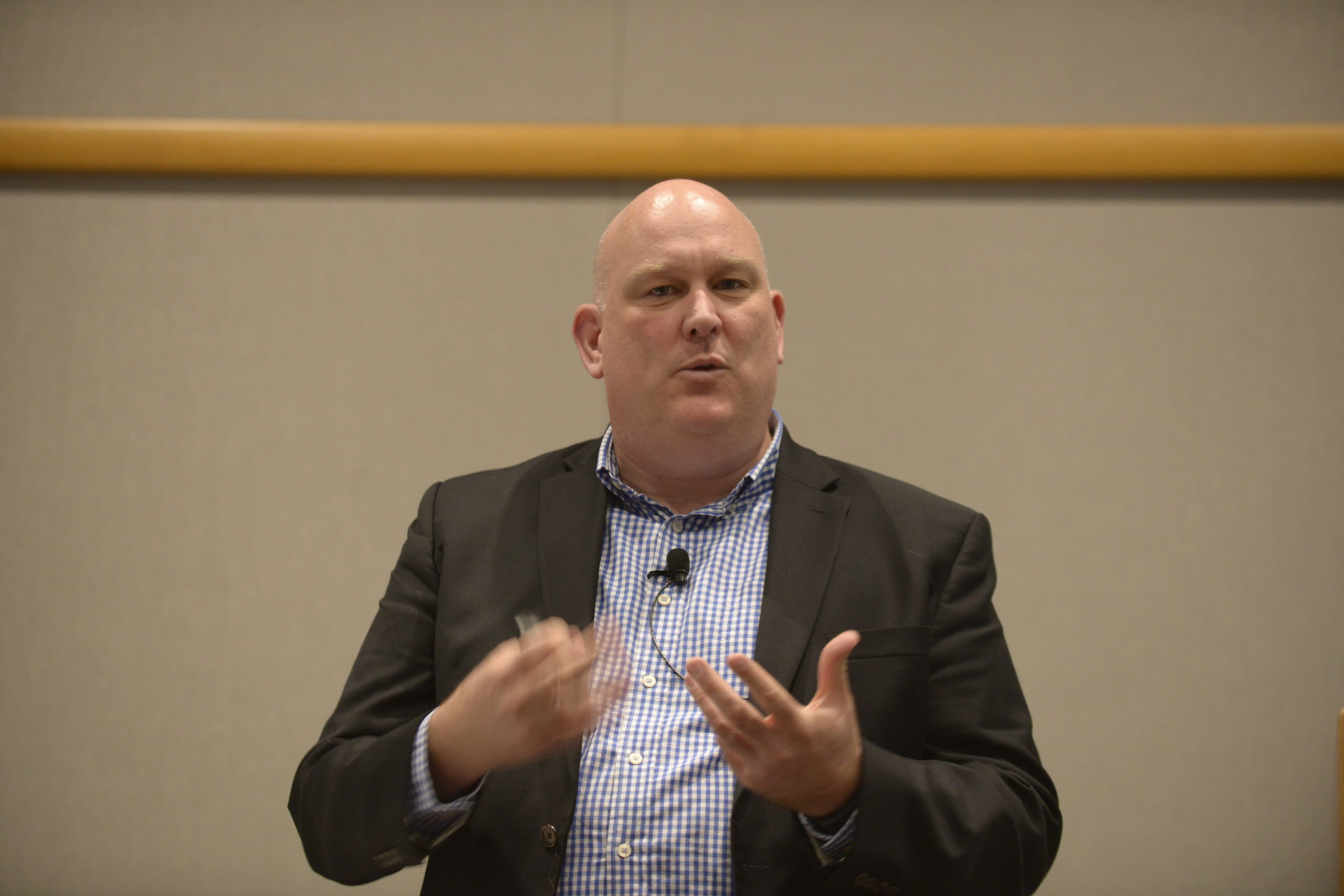
While the RED tool is powerful, it is training the crew to use its features that engage staff and passengers, resulting in a strong emotional attachment to the brand. “The tools are now integrated into customer service training, enabling a flight attendant to engage and be better at their job,” explains Withers. “The tool doesn’t do it on their own. Training and customer service is an important part.” Feeling empowered to resolve and track any issues gives flight attendants the ability to provide an enhanced service experience for passengers, flight after flight.
Plans for a Cabin Comfort and Environment Research Center, set to open in 2016, were shared by Eric Lefebvre, the client relationship leader for the National Research Council Canada. The Center will simulate the passenger experience, creating realism through cabin noise, environment control, temperature, lights, entertainment and connectivity, services, flight length, storage concepts and more. Innovations like virtual reality, windowless aircrafts and transparent ceilings will be trialed and tested to understand how and why new products and services improve travel experience.
As surveys won’t capture the whole picture, 3-D cameras will help understand passengers’ interactions with the simulated in-flight environment through physiological and psychological markers and pressure mapping. The behaviour and emotional state of passengers will be monitored to study what increases anxiety or fosters relaxation.
The comfort and ambience breakout sessions outlined the power of a positive interaction with in-flight staff and the effect personal interactions have on customer retention. Brands are investing in technologies that allow them to study potential customers before they are passengers and begin the service experience while still on the ground. Emotional wellbeing of passengers is a high priority as it creates positive experiences which result in brand loyalty. Many important factors go into creating comfort and ambience but it seems a smile and personal greeting are top of the list.
All photos by Vance Walstra.