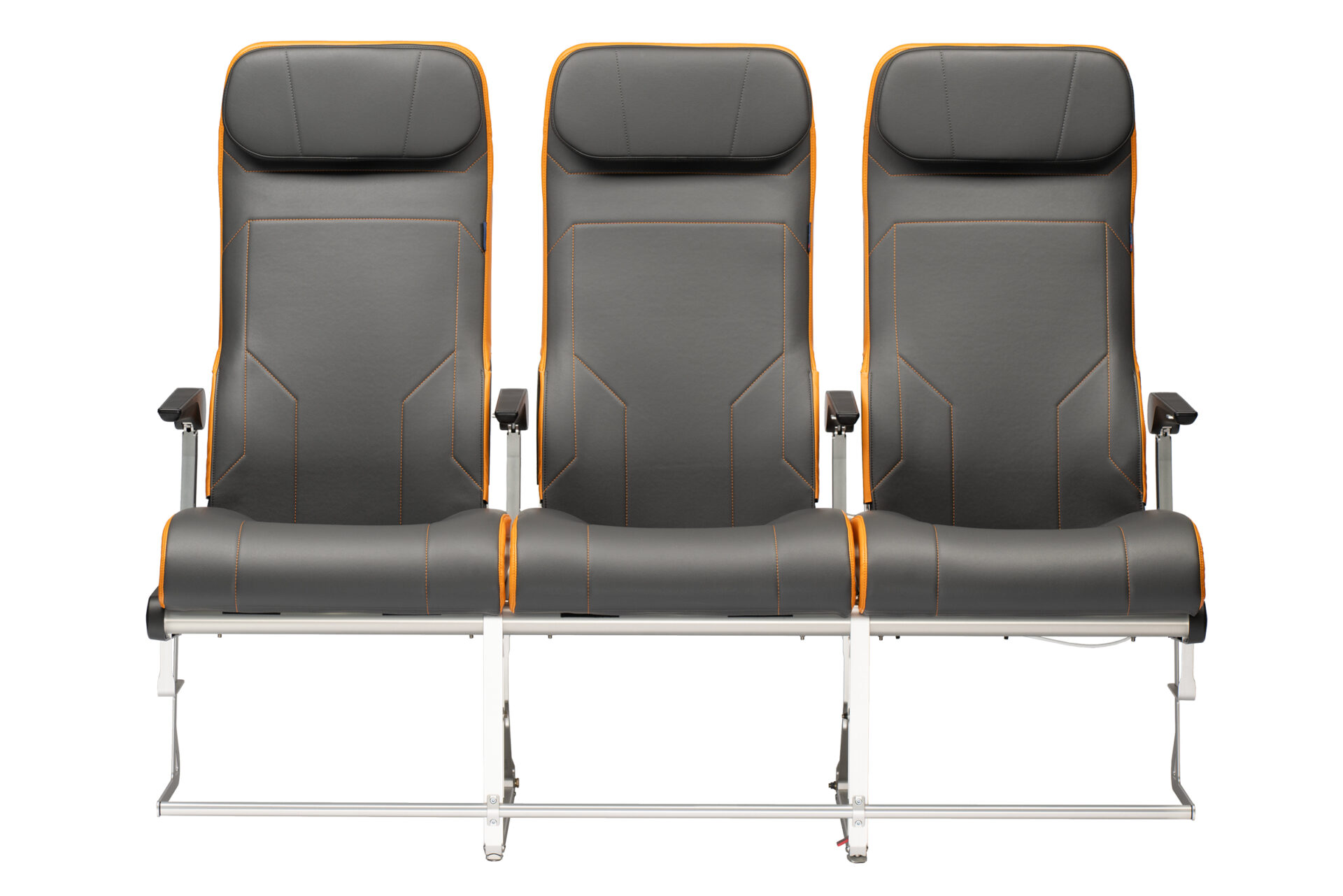
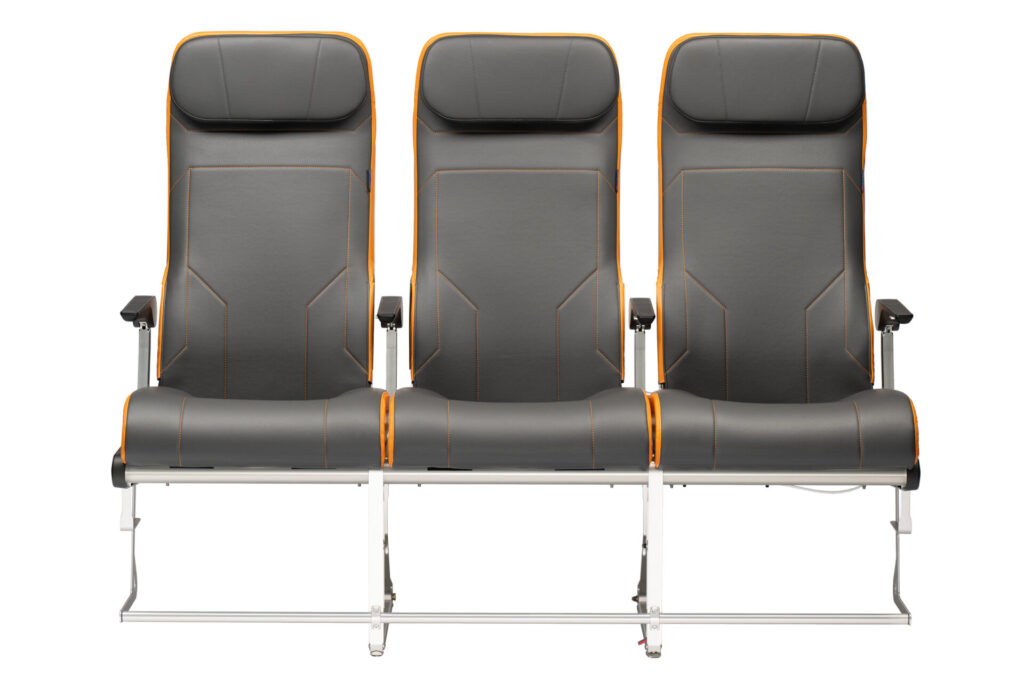
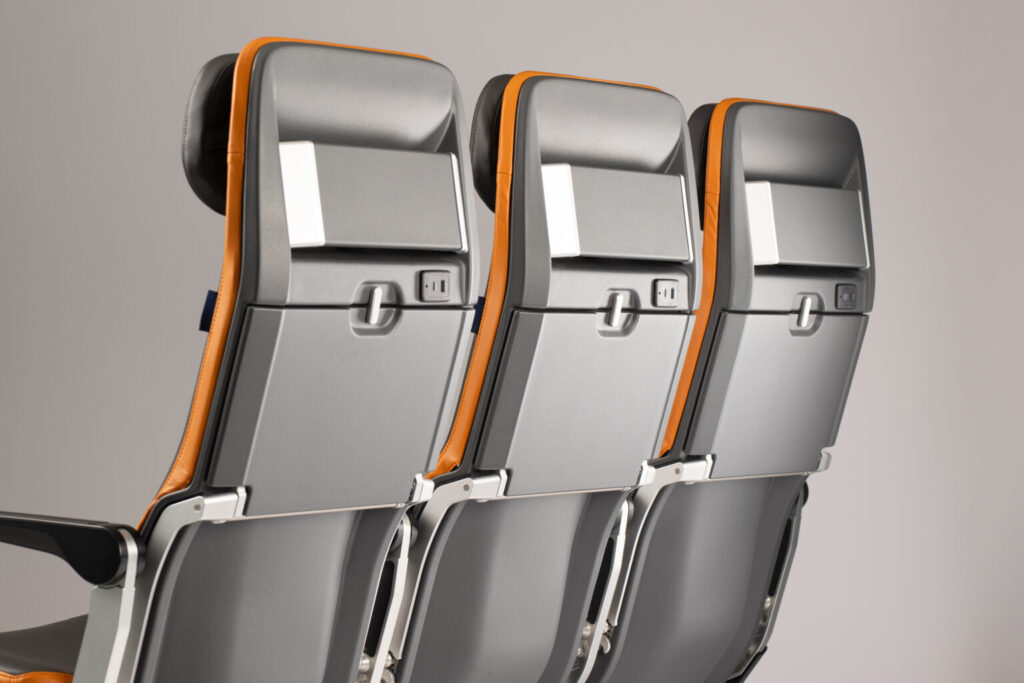
Mirus Aircraft Seating (Mirus) has unveiled Hawk Duo, a reclining economy-class seat for single-aisle aircraft which, weighing less than 8.5 kilograms per passenger when fully dressed with a synthetic cover and lightweight seatbelt, is 20 percent lighter than its predecessor.
Alongside a five-inch mechanical recline, Mirus’ signature sculpted seating surfaces and a slimline armrest, the company claims its Hawk Duo product offers up to three-inches more knee room compared to equivalent seats in its class.
Despite its lighter weight, the Hawk Duo underwent higher than typical abuse and cyclic testing at Mirus’ on-site dynamic test facility during development to ensure maximum reliability in service.
Marcus Williams, Mirus’ Sales & Marketing Director said, “Hawk Duo is the product of outstanding teamwork, utilising our standard Kestrel platform and adding the recline and features options typically expected of a mainstream economy seat. What sets it apart is Mirus’ contemporary and modern design, enabling incredible levels of comfort and leg room.
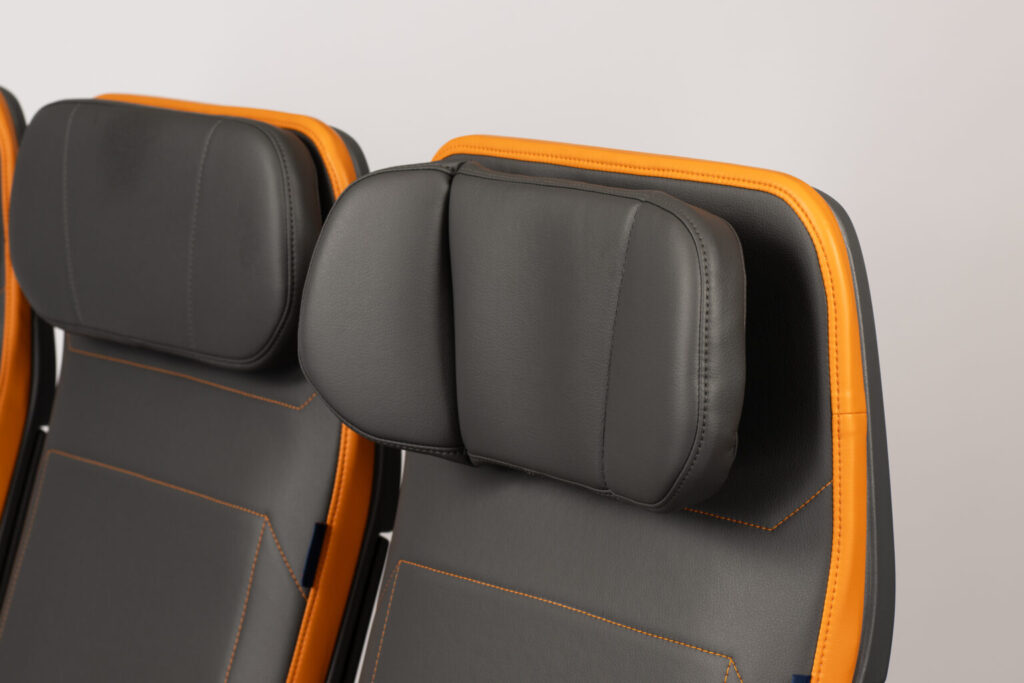
The aforementioned optional features include the integration of in-seat power; the addition of PED holders, various comfort foam and headrest options; and the ability to customize the color, material and design of the dress covers.
“We also believe Hawk Duo is the most sustainable seat in its class, with its lifecycle lending to its green credentials,” continued Williams.
As well as dramatically reducing fuel burn and carbon emissions thanks to a lower weight than its predecessor, the Hawk Duo is highly recyclable, with a low parts count and parts that do not layer components together.
Hawk Duo will be certified later this year ready for first deliveries to take place in Q1 2026.
In January this year, Williams co-wrote a piece for Runway Girl Networkalongside Mirus’ technical director Adam Challenor, explaining, “AIX is key in developing Mirus’ new products as it’s an invaluable way to get direct feedback from the customers who will own and use our seats. The same will undoubtedly be true for Hawk Duo at this year’s show.
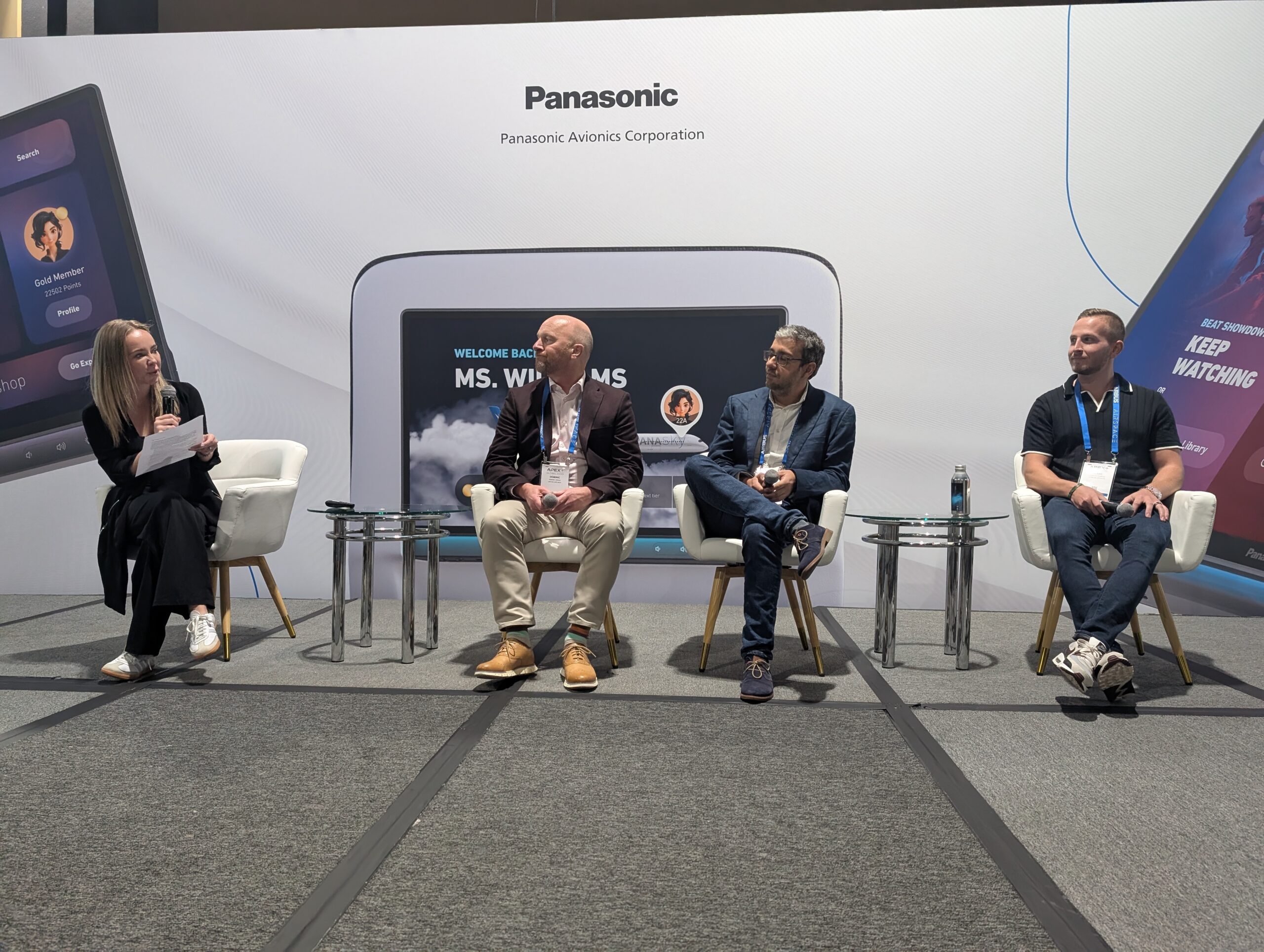
The latest Inflight Entertainment (IFE) trends reveal a significant shift from traditional content delivery to sophisticated, psychology-driven passenger experiences.
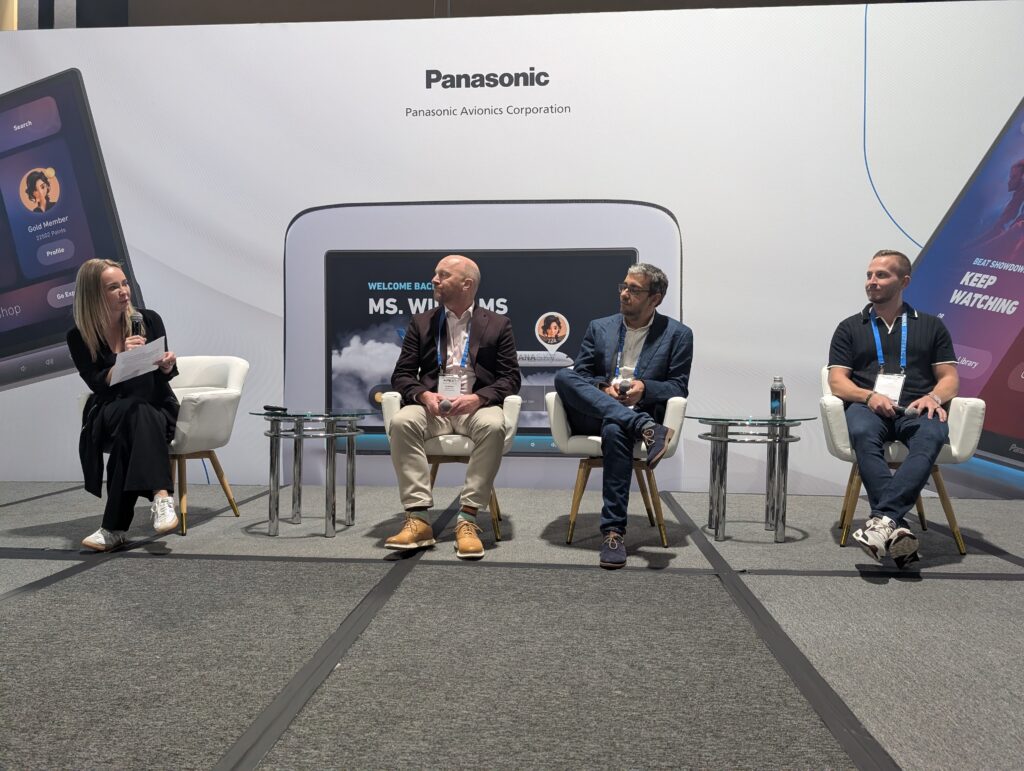
According to the panel, airlines increasingly view their IFE platforms as integral parts of their digital ecosystem rather than standalone entertainment systems. “We’re really trying to evolve our IFE away from being purely a media player,” explained Dominic Green, Director of In-Flight Entertainment at United Airlines, who noted that United is deploying its newest platform across more than 30 aircraft in their mainline fleet.
Passenger psychology plays a crucial role in modern IFE strategy. Rittenberg pointed out that when in aircraft, passengers are “hurling through the air at 35,000 feet at 500 miles an hour.”
This understanding drives airlines to create experiences that help passengers feel more comfortable. Interestingly, flight map features have emerged as crucial comfort tools, with airlines reporting that an overwhelming majority of passengers engage with mapping products during flights. As Rittenberg explained, “It’s almost like an illusion of control. Being able to see how high you are, how fast you’re going, and how long until you arrive at your destination gives you this false sense of control.”
The streaming revolution has strengthened, rather than weakened IFE’s position. “IFE is actually like the last place on earth where you have all of this content from all of these streaming services living side by side,” Rittenberg pointed out, highlighting how fragmented streaming services have made IFE more valuable as a comprehensive entertainment hub.
Cultural identity and personalisation are becoming key differentiators. TAP Air Portugal has leveraged its platform to showcase Portuguese culture, launching initiatives like an exclusive onboard film festival and interactive wine tourism content. “With IFE, if you have the right redesign and the right functionalities, you can liberate the experience of content discovery,” noted Ferreira, adding that “passengers are not commenting on the mainstream; they are commenting on this niche content that makes a difference.”
Data analytics is revolutionising content curation and advertising strategies. Airlines are moving beyond traditional demographic targeting to create more nuanced, journey-specific experiences. United Airlines has implemented sophisticated data collection from its new platform. However, Green noted that understanding how passenger behaviour changes onboard still requires “a bit of an art and science to it.”
The challenge of creating interfaces that work for all generations has emerged as a critical focus area. JetBlue emphasises designing systems that accommodate digital and non-digital natives, ensuring all passengers can easily access features from basic entertainment to Wi-Fi connectivity.
Advertising within IFE systems is evolving toward more sophisticated, less intrusive models. Airlines are implementing targeting capabilities based on route, nationality, and passenger preferences while working to standardise advertising systems across the industry. “As an industry, we should standardise this… and make them (advertisers) feel it is easy to buy ads inside of our product,” Ferreira suggested.
Looking ahead, airlines are focused on creating more connected, personalised experiences throughout the entire journey. This includes pre-flight content previews, seamless continuation of viewing experiences, and better integration with airline apps and services. The emphasis shifts from pure entertainment to creating a comprehensive digital experience that enhances the travel journey.
The evolution of IFE systems reflects the industry’s broader move toward more personalised, data-driven passenger experiences. As airlines continue to invest in new technologies and partnerships, the traditional IFE system is transforming into a sophisticated platform that serves as a crucial touchpoint in the airline’s digital ecosystem.
This month, Spafax’s The Hub, a content management and delivery service for inflight entertainment (IFE), celebrates its 10th anniversary. The milestone coincides with several new developments in the company’s IFE offerings.
Since its establishment in 2014, The Hub has become an integral part of the IFE supply chain. Operating from Hollywood’s Sunset Gower Studios, it serves as a global platform for IFE content management, facilitating the transfer of entertainment content from studios to airlines worldwide.
Arthur Cuyugan, SVP of Technical Services at Spafax, reflects on The Hub’s evolution: “What began as a bold concept has grown into an essential component of the global IFE supply chain. We are delighted to celebrate all we’ve achieved over the past 10 years while continuing to drive the future of content delivery for our clients.”
Concurrently, Spafax has been named a finalist for the Crystal Cabin Award in the “Best Customer Journey Experience” category. The nomination, to be announced at the upcoming APEX EXPO in Long Beach, recognizes Spafax’s “Connected Content Stream” (CSS) solution. Developed in partnership with Sportmonks, CSS aims to enhance the passenger journey by providing content throughout the trip, including real-time sports updates via a Live Ticker.
In another recent initiative, Spafax launched a dedicated “Friends” channel for inflight entertainment, celebrating the sitcom’s 30th anniversary. The “30 Years of Friends” channel offers 108 episodes from the show’s decade-long run. Rachael Harris-Boyce, Senior Account Director at Spafax, notes, “Friends has been a passenger favourite for as long as it’s been available on IFE…we are excited to offer this dedicated channel and are confident it will resonate strongly.”
As the aviation industry navigates post-pandemic recovery, airlines are reassessing their IFE strategies. The Hub’s model enables it to support various IFE approaches, from traditional seatback systems to streaming options. Spafax’s recent activities, including The Hub’s ongoing operations, new content channels, and the CSS solution, demonstrate the company’s efforts to adapt to industry trends.
Spafax CEO Niall McBain comments on the company’s trajectory: “The Hub is a true cornerstone of our global operations, allowing us to deliver the highest quality content to airlines and passengers worldwide. We are proud to be a trusted partner for content owners and airlines, delivering quality, security, and speed.”
Joan Filippini, Senior Vice President of Non-Theatrical Sales at Paramount Pictures, will be honored with the APEX Lifetime Achievement Award at the APEX/IFSA Global EXPO on Wednesday, October 30, at 6 p.m. at the Long Beach Convention Center. The award recognizes her outstanding contributions to the in-flight entertainment (IFE) industry and her influential leadership within APEX (the Airline Passenger Experience Association).
Joan has played a central role in revolutionizing content distribution for airlines, driving significant growth at Paramount, and advancing APEX’s mission to elevate the passenger experience. With over two decades of experience, she is a renowned figure in the industry and her positive impact on the global IFE sector is unmatched.
“I started 25 years ago as a flight attendant.” she explained, when interviewed by APEX Media. “Working directly with passengers since day one has given me a unique perspective on what makes for a great passenger experience.”
In 2000, she transitioned into non-theatrical sales at DreamWorks, and following its acquisition by Paramount, her leadership helped drive significant growth in the studio’s IFE division. “My focus is always on improving our business model and making sure passengers always have access to the best content around the world – especially Paramount’s!” she joked.
Beyond her role at Paramount, Joan’s influence has extended throughout the industry via her work with APEX. As a long-standing member of the APEX Board of Directors and former Treasurer, she provided critical leadership during key initiatives, including the acquisition of Future Travel Experience (FTE) to ensure APEX continued to be strong and forward thinking.
One of Joan’s most enduring contributions to APEX is her role in transforming the APEX Content Market from a traditional TV marketplace into a dynamic multimedia platform that better serves the evolving needs of airlines and passengers. In her words, “Our goal has always been to stay ahead of changes in the industry.”
Joan Filippini at APEX Content Market with APEX President Emeritus & Riyadh Air VP of Guest Experience Anton Vidgen.
APEX CEO Joe Leader praised her contributions to both the association and the broader IFE sector: “Joan’s leadership has been instrumental in advancing APEX and the industry as a whole. Her vision has shaped the future of the passenger experience.”
The award ceremony, which will take place during the APEX/IFSA Global EXPO, is one of the most anticipated events in the aviation industry. The ceremony will honor Joan’s vast contributions to APEX and the IFE sector, recognizing her as a leader who has consistently pushed for innovation and excellence.
“Joan’s focus has always been on what’s best for the industry,” Leader added. “Her leadership has transformed APEX and helped airlines deliver entertainment in ways that continue to evolve.”
Joan’s career, which spans decades of industry leadership, will be celebrated with the APEX Lifetime Achievement Award on Oct. 30 at 6 p.m. at the Long Beach Convention Center. This prestigious recognition underscores her lasting influence on the IFE industry and her dedication to advancing the passenger experience.
The APEX Lifetime Achievement Award is one of the highest honors in the aviation industry, recognizing individuals who have made remarkable contributions to enhancing the passenger experience. It will be presented during the APEX/IFSA Global EXPO, a key event that brings together leaders from airlines, suppliers, and innovators from across the world to discuss the future of passenger experience.
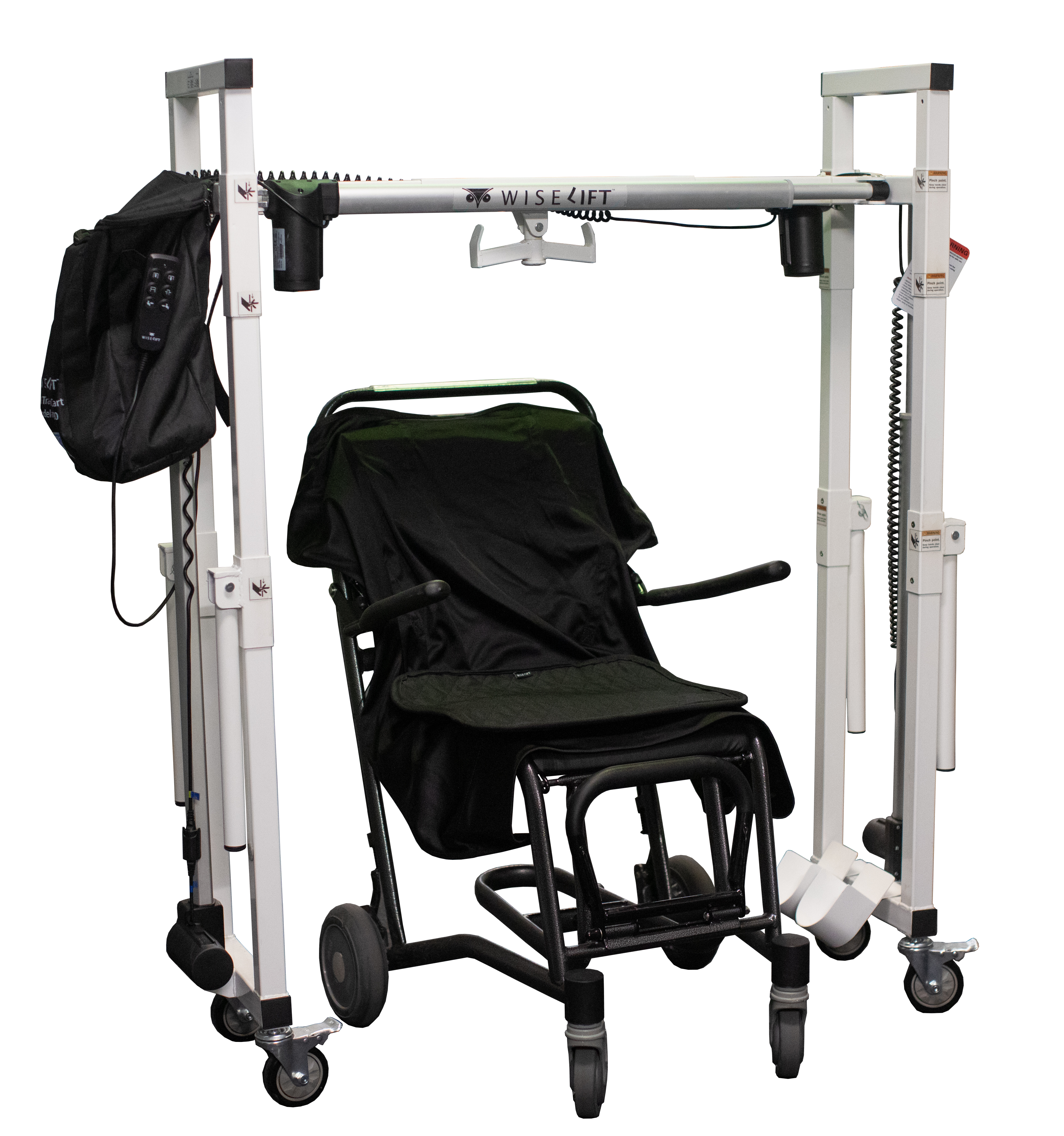
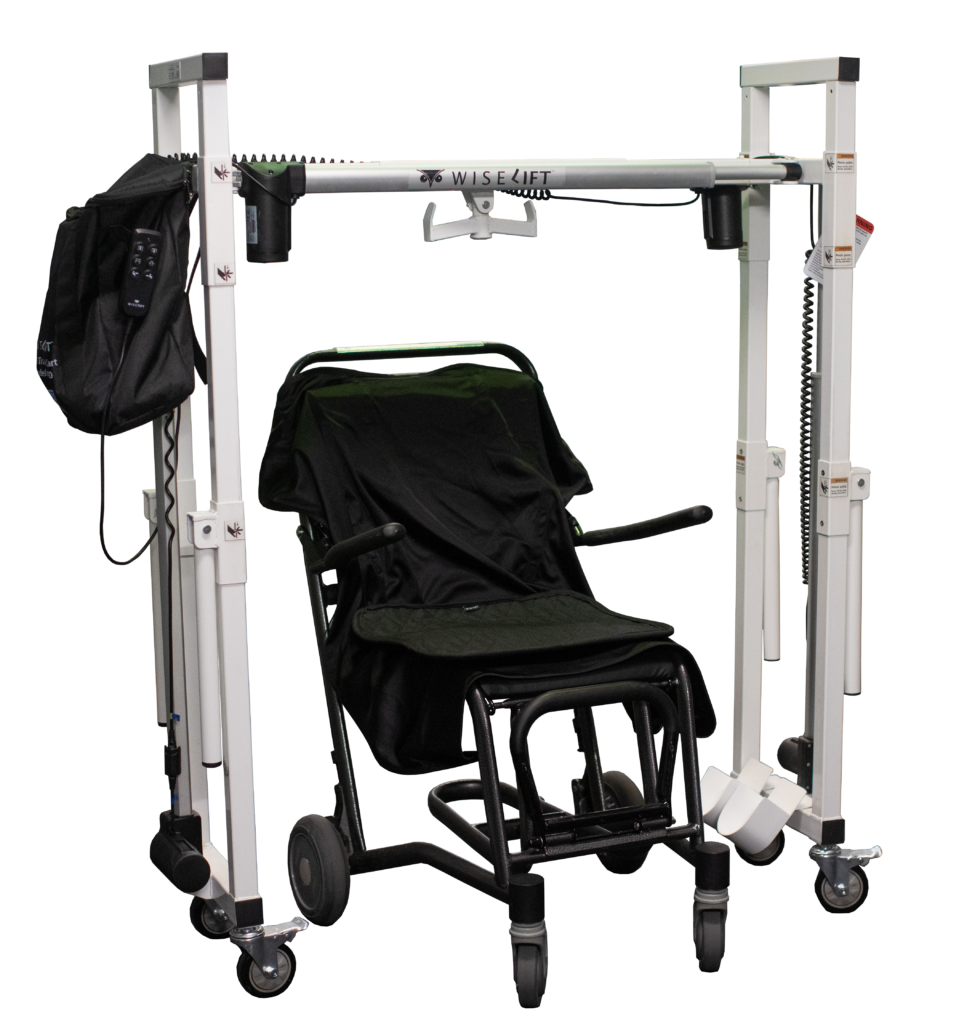
The risks disabled passengers face during boarding were thrust into the spotlight when BBC journalist Frank Gardner, a wheelchair user, was dropped by airline staff. The incident left Gardner with injuries and a humiliating experience, sparking calls for improved accessibility in aviation. Unfortunately, such incidents are not isolated. In a world where safety and dignity are critical, the Letronics WL780 PRM Transfer Lift seeks to provide a long-needed solution. The lift, which will featured at APEX Global EXPO 2024 in Long Beach, promises a safer, more efficient way to assist passengers with reduced mobility (PRMs) during the boarding process.
A Response to Real-World Challenges
Boarding procedures have long been an ordeal for PRMs, often involving manual lifting by flight crew or ground staff. This method increases the risk of injury to both the passenger and the crew. For passengers, such situations can result in not only physical discomfort but also a profound loss of dignity. In a 2022 interview, Frank Gardner spoke candidly about the distress of being left stranded on a plane, unable to disembark due to the airline’s failure to retrieve his wheelchair.
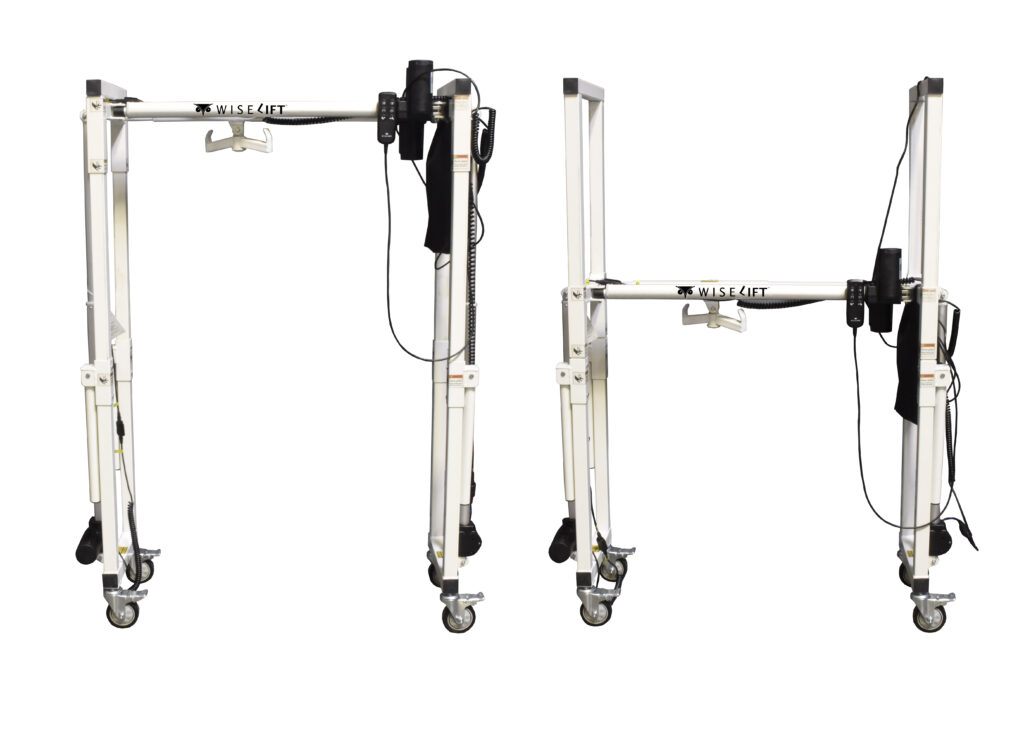
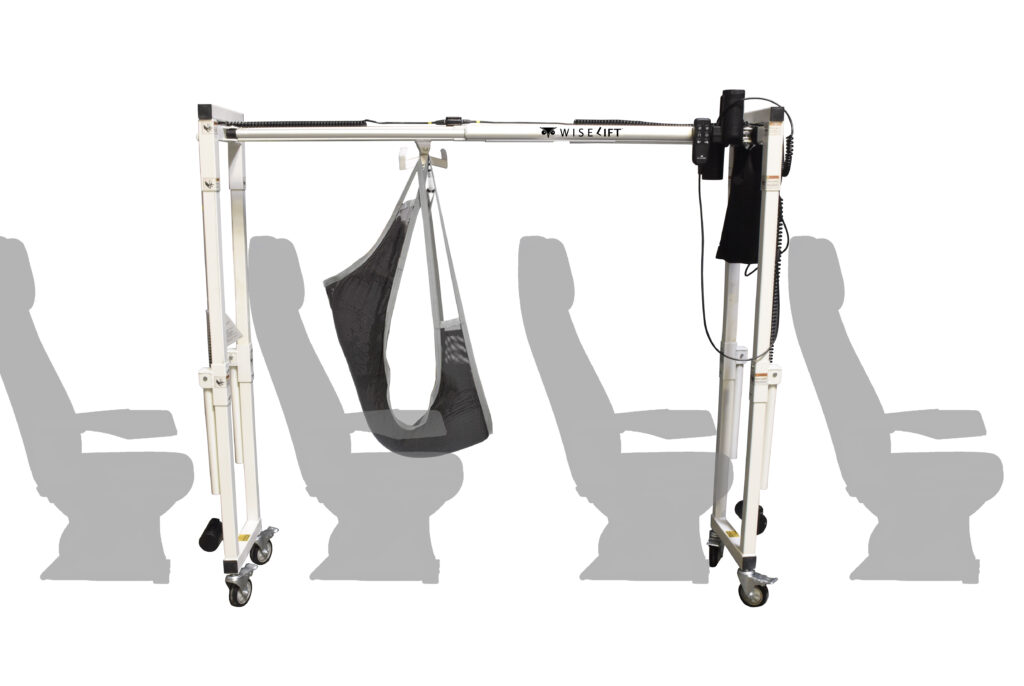
These incidents have prompted aviation companies and advocacy groups to demand better solutions. The Letronics Lift represents a technological leap forward, reducing the likelihood of manual handling errors. The device uses a mechanical lift to transfer PRMs from their wheelchair to their airplane seat safely and comfortably. It eliminates the need for human lifting, which has often resulted in accidents.
Gregg Cohen, President of Letronics, highlighted the lift’s importance in reshaping PRM boarding processes. “This product underscores our commitment to enhancing passenger accessibility and safety in the aviation industry,” Cohen stated. “We believe that our innovative design will set a new standard for PRM transfers, providing airlines and airports with a reliable and efficient solution.”
A Solution Built for Dignity and Efficiency
The Letronics Lift’s design prioritizes the passenger experience, providing a dignified boarding procedure while ensuring efficiency for airline staff. The device works across a variety of aircraft types, minimizing compatibility issues. It also ensures that passengers can be transferred quickly and smoothly, reducing boarding delays—something that has long been a challenge for airlines trying to balance customer service with operational efficiency.
APEX (Airline Passenger Experience Association) Group CEO Dr. Joe Leader recognized the broader significance of such advancements in a recent interview. “The Letronics Lift stands as a prime example of how we can use innovation to address long-standing accessibility gaps in aviation,” Dr. Leader stated. “It offers safety, efficiency, and—most importantly—dignity to the millions of passengers who require mobility assistance.”
For flight crews, the Letronics Lift also offers substantial benefits by reducing the risk of workplace injuries. Manual lifting of passengers, especially in narrow aisles, has often led to back strain and other physical ailments for crew members. The use of mechanical assistance reduces these risks, allowing crew to focus on other tasks and ensuring a safer working environment.
The Growing Need for Accessibility
The importance of accessibility has gained traction within the aviation industry, especially as the population of disabled travelers continues to grow. The International Air Transport Association (IATA) has pushed for greater investment in safe, reliable PRM services, with several airlines facing scrutiny for their lack of preparedness to accommodate wheelchair users. In fact, recent legal requirements in countries like Norway mandate the use of mechanical lifts or ramps to transfer PRMs, a law prompted by the sharp rise in injuries related to manual transfers.
Looking Toward a Safer Future
With the Letronics Lift making its industry debut, many are hopeful it will become a new standard for air travel. By offering a safer, more efficient way to assist PRMs, this lift addresses many of the issues that have plagued air travel accessibility for decades. Though the device has not yet been widely deployed, early feedback from PRM advocacy groups has been positive. They see the lift as a potential solution to an often-overlooked problem.
The Letronics Lift, set to make its debut at APEX Global EXPO 2024, represents a major leap forward in improving air travel for passengers with reduced mobility. The innovative lift prioritizes safety and efficiency, eliminating the risks associated with manual transfers. Its design not only ensures that passengers are transferred with dignity but also reduces the physical strain on flight crew members. The Letronics Lift also features universal compatibility, working seamlessly with various aircraft types, from narrow-body to wide-body planes, and adapting to multiple seating configurations. By streamlining PRM boarding, the lift improves operational efficiency and minimizes delays, offering airlines a consistent and safe transfer solution across their fleets.
As more airlines look to enhance their accessibility services, the Letronics Lift stands poised to play a crucial role in the future of aviation. It represents a commitment to creating a safer, more inclusive environment for all passengers, regardless of their mobility challenges. For the millions of PRMs worldwide, the future of air travel may finally be looking up.