


AIX 2026: Moment Expands Connected Cabin with Flymingo Deployment and ISP-Independent Wi-Fi Portal

Share

Moment is expanding its role in the connected cabin with two major updates announced around Aircraft Interiors Expo (AIX) 2026. The company has secured a new wireless in-flight entertainment (IFE) deal with Garuda Indonesia using its Flymingo Box solution, and is also introducing an ISP-independent Wi-Fi portal that changes how airlines manage connectivity. Together, these announcements highlight a broader shift in the industry, where flexibility, control, and the digital experience matter just as much as the infrastructure behind it.
Flymingo Box Powers Garuda Indonesia’s Wireless IFE Expansion
Moment’s latest airline partnership focuses on its Flymingo Box, a compact wireless in-flight entertainment system that delivers a full streaming experience without traditional seatback screens. Under a three-year agreement, Moment will install 64 units across 15 Garuda Indonesia aircraft, supporting the airline’s expansion of its wireless IFE offering.
The deployment spans a mix of aircraft types, including the Boeing 737-800 NG, Boeing 737-8, and Airbus A330-900neo. By targeting these aircraft, Garuda Indonesia is focusing on both short- and long-haul operations, ensuring that a wide range of passengers can access the upgraded digital experience.
The Flymingo Box is built around a Bring Your Own Device model (BYOD), allowing passengers to stream content directly to their phones, tablets, or laptops. Each unit offers between 12 and 14 hours of battery life and can support up to 100 devices at once. In practice, two units are typically installed per aircraft, ensuring consistent coverage and performance throughout the cabin.
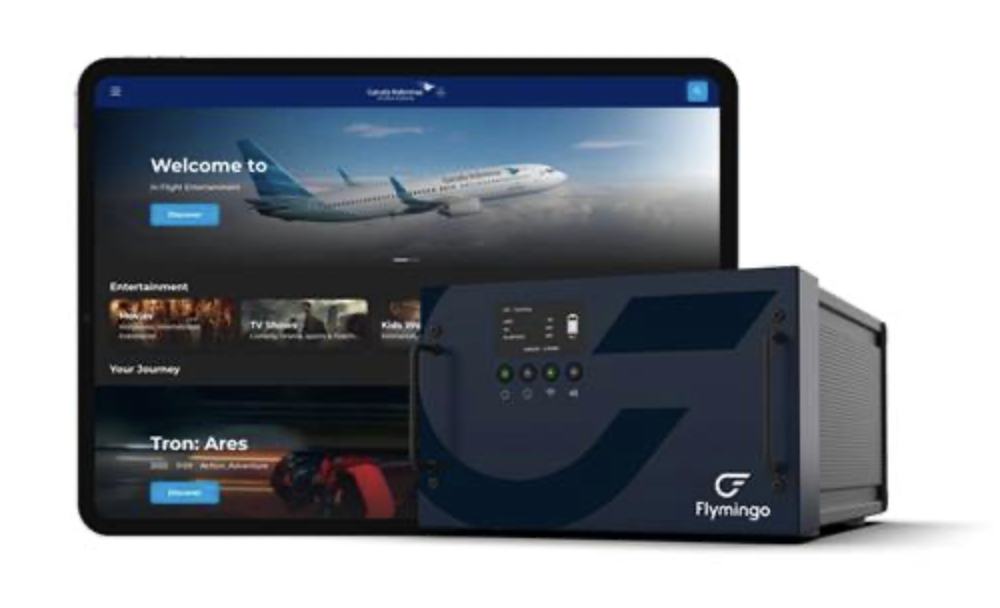
This approach eliminates the need for heavy hardware installations or complex aircraft modifications, which have traditionally slowed down IFE upgrades. Instead, airlines can deploy the system quickly and scale it across the fleet with minimal disruption. For Garuda Indonesia, this flexibility supports a faster path to modernizing its onboard product while maintaining operational efficiency.
“By supporting Garuda with 64 Flymingo Boxes, we are helping them rapidly expand their wireless IFE project, ensuring a modernized service that aligns with the expectations of today’s tech-savvy travelers,” said Moment co-founder and CEO Tanguy Morel.
Content is a key part of the experience. Through a partnership with Anuvu, the platform offers a mix of Hollywood films, Indonesian titles, music, and podcasts, with updates every two months to keep the offering fresh for repeat travelers.
The Flymingo Box also introduces formats not typically found in legacy IFE systems. These include e-reading options and vertical dramas, short-form series designed specifically for smartphone viewing. This reflects a broader shift toward mobile-first content, particularly among younger and more digitally engaged passengers.
ISP-Independent Portal Repositions Connectivity as a Strategic Layer
Alongside its hardware deployment, Moment is also targeting a deeper shift in how airlines approach connectivity. The company’s newly launched ISP-independent Wi-Fi portal introduces a software layer that sits between connectivity infrastructure and the passenger experience, giving airlines greater control over how that experience is delivered.
Unlike traditional solutions tied to specific connectivity providers, Moment’s platform is designed to be ISP-agnostic. This allows airlines to standardize the passenger interface, branding, and service logic across different aircraft types and connectivity partners, creating a consistent experience regardless of how the aircraft is connected.
The platform addresses both technical and financial gaps in the market. Connectivity has long required significant capital and operational investment, while many existing solutions limit flexibility by locking airlines into provider ecosystems. Moment’s approach introduces an independent layer that allows airlines to manage the experience and capture more value from it.
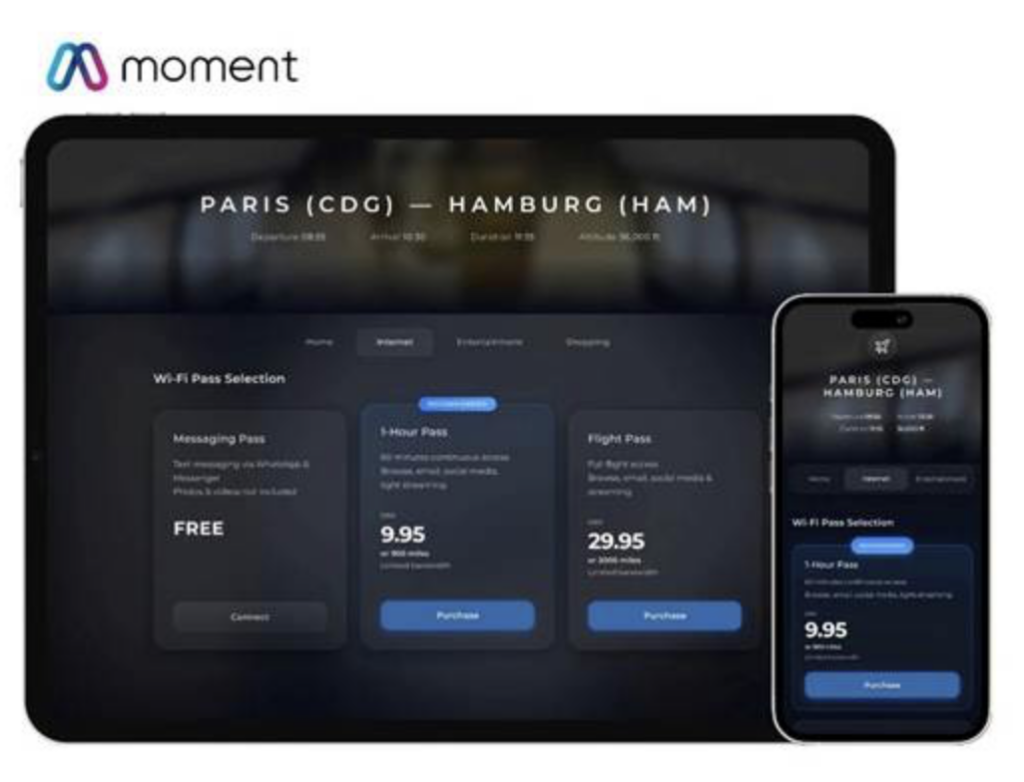
“Connectivity becomes a strategic asset, not just a technical layer,” said Morel. “The portal acts as a control layer, allowing airlines to manage experience, monetization, and data independently from the ISP. It shifts connectivity from ‘providing access’ to actively creating value.”
Importantly, the platform is already live and operational. Moment has launched the solution and is actively presenting it to airlines looking to quickly structure and take control of their connectivity strategy.
The platform also introduces new capabilities around data and optimization. By analyzing passenger behavior, airlines can identify friction points, refine access strategies, and tailor services based on route, cabin, or traveler profile. This creates opportunities to rethink how connectivity is monetized as traditional willingness to pay continues to decline.
The system supports a range of monetization models, including free, paid, sponsored, and hybrid approaches such as loyalty-based access. By improving targeting and reducing friction, airlines can increase conversion and engagement. This directly drives higher ancillary revenue and strengthens customer lifetime value, while giving airlines more flexibility in how they structure their digital offering.
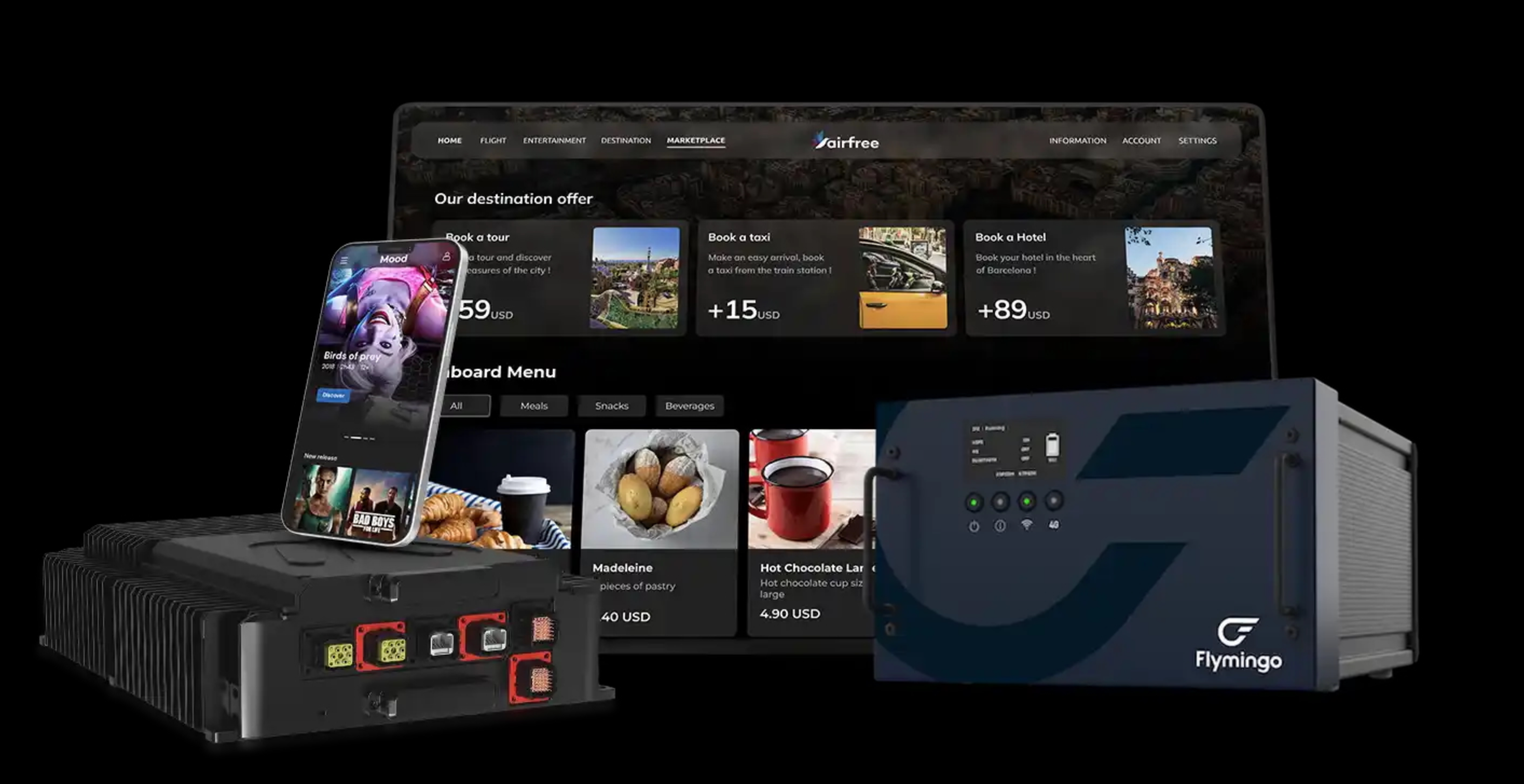
For example, airlines can introduce sponsored Wi-Fi on leisure routes, bundle connectivity with loyalty benefits, or integrate targeted destination offers such as hotels and activities. This shifts the focus from simply selling access to building a broader ecosystem of services and partnerships.
A Unified Digital Ecosystem for the Connected Cabin
Together, the Flymingo Box deployment and the ISP-independent portal point toward a more integrated approach to the connected cabin. Rather than treating entertainment and connectivity as separate systems, Moment is positioning them as part of a unified digital ecosystem that can be managed, optimized, and scaled over time.
The Wi-Fi portal plays a central role in this strategy by enabling real-time control and decision making. Through API-based integration, it connects with existing IFE systems, airline apps, and loyalty platforms, allowing operators to manage the entire digital experience from a single interface. Airlines can update offers, adjust service logic, and respond to operational conditions without relying on third parties.
This level of control also has direct implications for revenue and customer engagement. By reducing friction and improving targeting, airlines can increase conversion rates and drive ancillary revenue, while also strengthening long-term loyalty. At the same time, the ability to standardize the experience across the fleet helps reinforce brand consistency.
Moment sees this as the next phase of onboard connectivity, where the focus moves beyond infrastructure. “For airlines, connectivity is no longer a technical issue but an economic one,” Morel explained. “Moment’s Wi-Fi portal transforms the onboard entry point into a strategic layer where experience, revenue, and data are aligned.”
Looking ahead, the company is investing in features such as real-time service orchestration and adaptive experiences that respond to flight conditions. This includes intelligent bandwidth allocation, where the system dynamically prioritizes services based on demand, passenger needs, and operational constraints.
Artificial intelligence will support these capabilities by helping airlines make decisions in real time. “AI will help airlines balance passenger satisfaction, operational limits, and revenue opportunities in real time,” Morel said.