


Virgin Atlantic Accelerates Starlink Rollout Across Fleet

Share
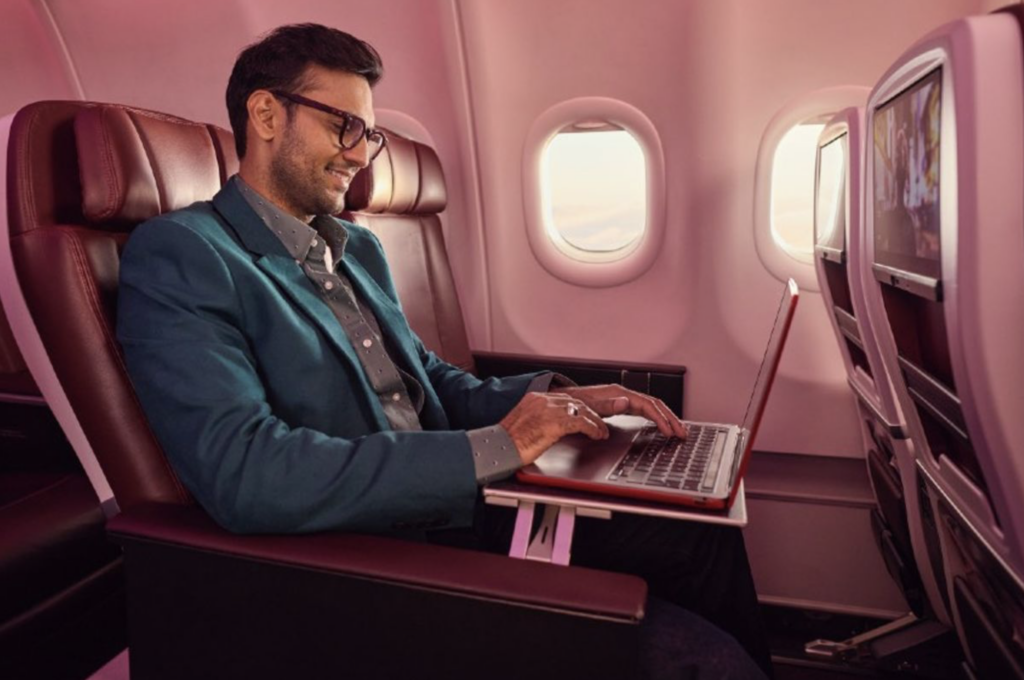
Virgin Atlantic is accelerating its rollout of Starlink Wi-Fi across its fleet. The airline will begin installations on its Airbus A350 aircraft in May, marking the first phase of a broader plan to bring consistent, high-performance internet to every aircraft. The move builds on Virgin Atlantic’s earlier commitment to make onboard connectivity a core part of the passenger experience rather than a premium add-on.
A350 Leads the Rollout Following 2025 Announcement
In July 2025, Virgin Atlantic became the first UK airline to announce plans to introduce Starlink inflight connectivity. That announcement set a clear direction, positioning connectivity as a central part of the airline’s long-term strategy and aligning with growing passenger expectations for seamless digital access in the air.
Now, less than a year later, the airline is moving into execution with an accelerated timeline. Installations will begin on the Airbus A350 fleet in May, earlier than originally planned, with full A350 connectivity expected by early summer. The first customer flight featuring Starlink is scheduled for early May on VS153 from London Heathrow to New York JFK, marking the official onboard launch.
The A350 has been selected as the starting point due to its modern design and role as a flagship aircraft. Rolling out Starlink on this platform allows Virgin Atlantic to introduce the service in an environment where performance and passenger expectations are already high, while also setting the standard for its future connected cabin.
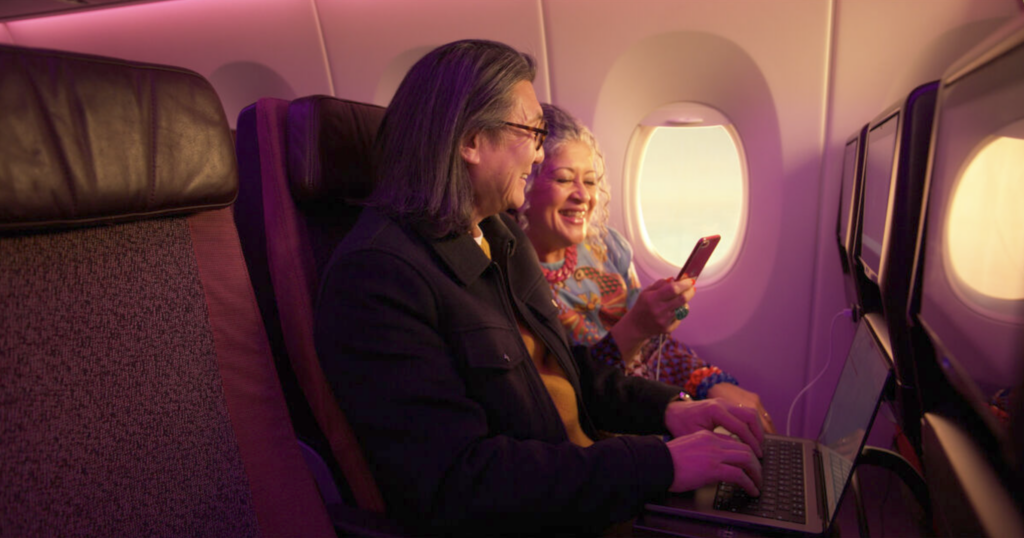
Following the A350 rollout, Virgin Atlantic will begin installations on its Boeing 787 fleet in the second half of 2026. By the end of the year, the airline expects approximately two-thirds of its fleet to be equipped with Starlink connectivity. The Airbus A330neo fleet will follow, with installations anticipated to be completed in 2027, aligning with the airline’s target for full fleet coverage.
“We were the first UK airline to announce free, fleet-wide Starlink Wi-Fi, and from May, we’re starting to deliver it for our customers. As the rollout gathers pace, we plan to deliver 100% Starlink connectivity across our fleet in 2027, as part of our focus on creating a brilliantly connected experience,” said Virgin Atlantic Chief Customer Officer at Virgin Atlantic Juha Jaervinen.
This phased rollout reflects both operational needs and a clear strategy. By introducing the technology across different aircraft over time, Virgin Atlantic can scale efficiently while maintaining a consistent passenger experience. At the same time, the faster timeline signals urgency as airlines increasingly compete on the quality and reliability of onboard Wi-Fi.
Building a “Home Away From Home” in the Sky
Virgin Atlantic’s investment in Starlink is not just about speed, it is about what that speed enables. The airline is framing connectivity as a way to create a “home away from home” experience, where passengers can stay fully connected to their lives on the ground throughout the journey.
Using Starlink’s low-Earth-orbit (LEO) satellite network, passengers will have access to high-speed, low-latency internet that supports a wide range of activities. This includes streaming TV shows and movies, downloading content, browsing the internet, gaming in real time, and even keeping up with live events such as sports. The system is designed to handle multiple devices simultaneously, allowing passengers to move between phones, tablets, and computers without disruption.

The experience also extends beyond entertainment. Business travelers can work in real time using cloud-based tools and staying connected with colleagues, while leisure travelers can plan their trips during the flight, from booking activities to researching destinations. This makes the journey more flexible and productive.
“Together with Starlink, we’re setting a new standard for connectivity in the skies, with fast, free, high-speed WiFi available from the moment customers step onboard. It’s all part of creating a truly connected, ‘home away from home’ experience, giving customers the freedom to use their time onboard exactly as they choose, whether that’s staying close to work, to plans, or to the people who matter most,” Jaervinen said.
Virgin Atlantic is also making the service free for Flying Club members, removing one of the biggest barriers to using it. This reflects a bigger shift across the aviation industry, where Wi-Fi is becoming something passengers expect, not something they pay extra for. By linking it to its loyalty program, the airline also builds stronger connections with frequent travelers while encouraging more people to sign up.