


Axinom Expands On-Board Cloud Across the Connected Cabin

Share

Axinom is expanding its On-Board Cloud platform to connect more devices throughout the aircraft cabin, including seatback screens, passenger devices, crew tablets and galley equipment. The expansion brings these devices together through one cloud-based platform, allowing airlines to manage applications, data and services across the cabin. By working with existing hardware and technology from different manufacturers, the platform is designed to give airlines more control over how they build and update the onboard experience.
Axinom On-Board Cloud Expands its Reach
Axinom On-Board Cloud was originally designed to connect the onboard server with cloud systems on the ground. The latest expansion of the solution extends that connection directly to devices throughout the aircraft, bringing seatback screens, crew tablets and other cabin equipment into the same cloud-based environment.
This gives airlines more ways to connect passenger, crew and operational systems across the cabin. For example, passengers could use their seatback screen to control nearby features such as the reading light or seat recline. Live flight information could also appear at the same time on the moving map, crew tablets and passengers’ personal devices.
The technology can also connect equipment passengers may never interact with directly. A coffee maker or other galley equipment could report a technical problem while the aircraft is still flying, giving maintenance teams time to prepare the necessary part before the aircraft arrives at the gate.
“A seatback screen, a crew tablet, the oven in the galley: these are all just devices running services, and there is no reason for each of them to sit in a separate system,” said Axinom CEO Ralph Wagner. “But a unified platform is not enough by itself. It has to be open, so that devices from any manufacturer work together and any application can run, whether the airline built it or a third party did.”
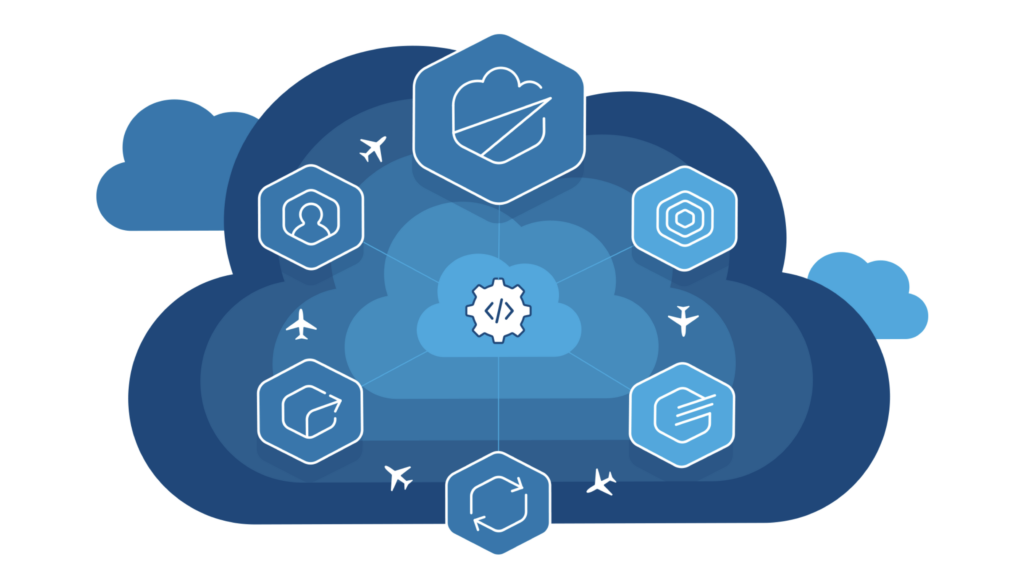
That open approach is central to Axinom’s strategy. On-Board Cloud uses standards including ARINC 853 Cabin Secure Media-Independent Messaging, or CSMIM, which allows devices from different manufacturers to communicate with each other.
The platform can work with existing and legacy cabin hardware, allowing airlines to introduce it without replacing all of their equipment or relying on a single manufacturer.
Applications created by an airline or outside developer can run through the same platform and be managed from the ground. Airlines could choose which applications are available depending on the route, aircraft or cabin.
For example, an airline could add a multiplayer game to seatback screens on long-haul flights or introduce a specific application only for passengers in premium cabins. Those services could be managed through the cloud without treating each onboard system separately.
Seatback Screens Become Part of a Larger Digital Platform
Extending On-Board Cloud to seatback screens gives Axinom another way to rethink how airlines use in-flight entertainment (IFE) systems. Rather than operating only as a screen for movies, television and other entertainment, the seatback display can become a broader digital platform connected to other systems throughout the aircraft.
Axinom sees opportunities for airlines to use the screen for entertainment, loyalty, onboard shopping, passenger services and crew operations. This could give the seatback screen a larger role in the overall passenger experience while allowing airlines to introduce additional digital services over time. On-Board Cloud includes an app launcher for seatback screens that allows airlines to control which applications are available.
Passenger authentication can also connect a traveler’s personal device with their seat, creating a smoother link between the seatback screen and a passenger’s own phone or tablet.
The platform also uses edge caching to keep files close to the devices that need them. Rather than waiting for scheduled updates, content can be added continuously as it becomes available.
Existing On-Board Cloud features will continue as part of the expanded platform. These include synchronization between the aircraft and the ground, centralized management of devices across the fleet and the ability to deploy services to onboard servers.
Bringing these capabilities to devices across the cabin makes it easier for airlines to update their digital services and add new applications and features to the IFE system when and how they see fit.